
South Sioux City Paves the Way with Innovative Plastic Road
Table of Contents
South Sioux City,Nebraska,has unveiled a 4,000-foot stretch of foundry Road constructed with an innovative asphalt blend incorporating two million recycled plastic bags. This pioneering project aims to improve road durability and reduce plastic waste, marking a significant step towards sustainable infrastructure.
A Road made of Recycled Dreams
The project,spearheaded by Jamilla teixeira,assistant professor of civil and environmental engineering at the University of Nebraska-lincoln (UNL),received a $500,000 grant from the Nebraska Environmental Trust (NET) after South Sioux City applied for funding. The initiative also includes paving an extension of the Al Bengtson Bicycle Trail with the same plastic-enhanced asphalt.
Did You Know? The U.S. generated 292.4 million tons of municipal solid waste in 2018, with plastics accounting for 12.2% of that total [[U.S. EPA]].
The Science Behind the Sustainable Solution
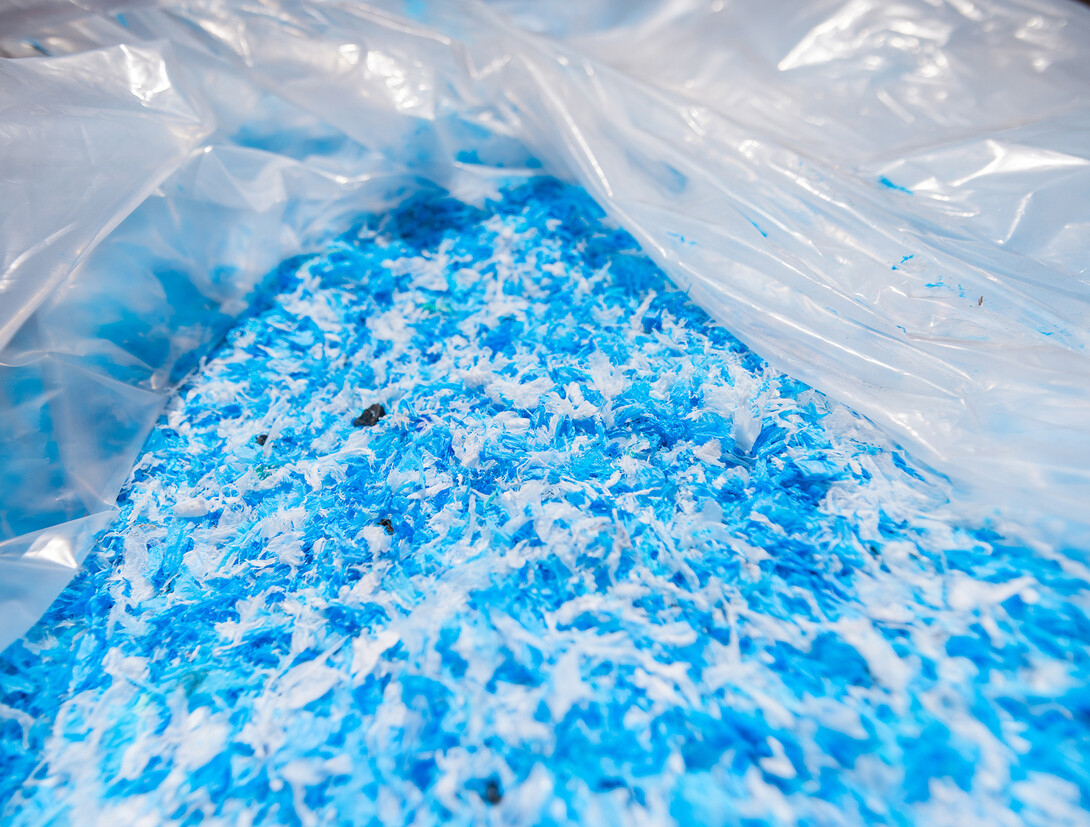
Teixeira, a College of Engineering Scholarship of engagement Fellow, focuses on developing protocols for incorporating shredded plastic into asphalt. Her research investigates the feasibility of using waste plastics in asphalt materials, testing for cracking, rutting, and moisture resistance. The mixture also includes 25% reclaimed Asphalt Pavement, a commonly used recycled material [[Nebraska Department of Transportation]].
Project Timeline
| Milestone | Date |
|---|---|
| NET Grant Awarded | N/A |
| Foundry Road paving | June 11, 2025 |
| Celebration Event | June 11, 2025 |
Nebraska’s First, But not the Only
While South Sioux City’s project is a first for Nebraska, other states like Colorado and Wisconsin have previously explored asphalt made from shredded plastic. india pioneered the plastic road concept over two decades ago.
Pro Tip: Consider supporting local recycling initiatives to contribute to projects like this.
Collaborative Effort for a Greener Future
The project is a collaborative effort between UNL, the City of south Sioux City, NDOT, the Nebraska Environmental Trust, First Star Recycling, DOW Chemical Jebro, Barkley Asphalt, and Goodwill of the Great Plains.
Key Partners
- University of Nebraska-Lincoln
- City of South Sioux City
- Nebraska Department of Transportation
- Nebraska Environmental Trust
- First Star Recycling
- DOW Chemical Jebro
- Barkley Asphalt
- Goodwill of the Great Plains
The Rise of Sustainable Road Construction
The use of recycled materials in road construction is gaining momentum worldwide as communities seek environmentally friendly and cost-effective solutions.Plastic roads offer a promising avenue for reducing plastic waste and enhancing the durability of road infrastructure. As technology advances and more pilot projects are implemented,the widespread adoption of plastic roads could revolutionize the construction industry.
Frequently Asked Questions About Plastic Roads
- What makes plastic roads more durable?
- the inclusion of plastic can enhance the asphalt’s resistance to cracking, rutting, and moisture damage, leading to longer-lasting roads.
- Are plastic roads more expensive to build?
- While initial costs might potentially be comparable, the potential for increased durability and reduced waste disposal costs can make plastic roads a cost-effective option in the long run.
- How does this project impact the habitat?
- By utilizing recycled plastic, the project reduces landfill waste and promotes a circular economy, minimizing the environmental footprint of road construction.
What are your thoughts on using recycled materials in infrastructure projects? How can communities further embrace sustainable solutions?
Share this article and join the conversation about building a greener future!
