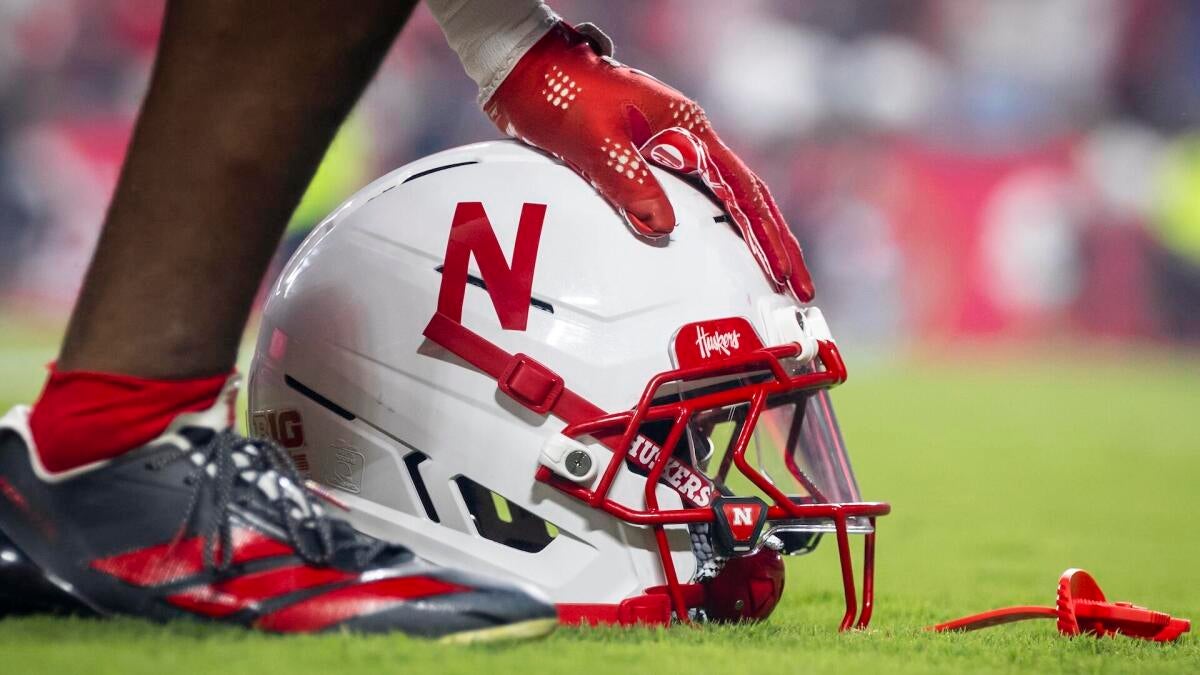
Nebraska Football NIL Contracts Upheld Amid California Court Threat
The College Sports Commission (CSC) secured a pivotal arbitration victory on Monday, upholding the rejection of NIL contracts for Nebraska football players. The ruling validates the CSC’s power to bar deals with “associated entities,” though a May 27 California court date could still overturn the enforcement framework.
This isn’t just a localized dispute over a few Husker contracts; it is a high-stakes stress test of the House v. NCAA settlement. We are currently in the thick of the spring offseason, a period where programs typically solidify their rosters and financial commitments before the summer transfer portal chaos and fall camp. The timing of this ruling creates a precarious financial vacuum for athletes who believed their revenue streams were locked in, while providing a momentary shield for the CSC’s regulatory ambitions.
The High-Stakes Definition of “Associated Entities”
At the heart of this clash is a semantic war over what constitutes an “associated entity.” The CSC successfully argued that Playfly Sports, Nebraska’s multimedia rights partner, falls under this designation. Under the current CSC rules, deals between student-athletes and these associated entities are strictly barred. The financial stakes are immediate and significant, with the scrutinized deals in this case totaling more than $1 million combined.
Bryan Seeley, CEO of the CSC, has framed this victory as a validation of the system’s intent. Speaking outside the ACC’s spring meetings, Seeley clarified that the dispute was not about the right of student-athletes to earn, but rather the mechanism of that payment. In his view, the arbitrator’s decision proves the enforcement system can function as the House settlement intended, ensuring that payments don’t bypass the intended regulatory guardrails.
For the athletes, this creates a massive gap in their projected earnings. When a million-dollar revenue stream is frozen by an arbitrator, the immediate reaction is a scramble for alternative monetization. This regulatory volatility is why a growing number of elite collegiate athletes are bypassing standard boosters and seeking specialized sports contract attorneys to navigate the shifting definitions of “associated entities” and ensure their contracts are bulletproof against CSC intervention.
Front-Office Breakdown: The Enforcement Gap
The CSC’s win provides a temporary blueprint for how the commission intends to police the new era of college sports. However, the victory is fragile. The difference between a “valid” NIL deal and a “barred” one currently rests on whether the paying entity is viewed as a partner of the university or an independent third party. If the CSC continues to cast a wide net, the “associated entity” label could effectively neutralize the most lucrative multimedia partnerships in the country.
| Payment Source | CSC Classification | Status under House Settlement | Financial Impact |
|---|---|---|---|
| Independent Local Business | Third-Party | Permitted | Variable/Market Rate |
| Multimedia Rights Partner (e.g., Playfly) | Associated Entity | Barred (per CSC/Arbitrator) | High-Value/Systemic |
| University-Linked Collective | Associated Entity | Regulated/Restricted | Capped/Monitored |
The tactical problem here is one of “enforcement reach.” While the arbitrator agreed with the CSC on Monday, the broader legal community is far from a consensus. The current framework attempts to balance the desire for athlete compensation with the need to prevent “pay-for-play” schemes that mimic professional salary caps without the corresponding collective bargaining protections.
The California Collision Course
While the CSC is celebrating its first binding arbitration win, the real battle moves to the Northern District of California. On May 27, the House settlement administrator is scheduled to review the interpretations of the settlement’s language regarding “associated entities.” This represents the “bigger fight” that threatens to render Monday’s arbitration victory a footnote.
Jeffrey Kessler, lead counsel for the House plaintiffs, is not conceding. Kessler argues that the CSC’s interpretation of “associated entities” is overreaching and that multimedia rights companies should not be categorized this way. If the California court aligns with Kessler, the CSC’s enforcement mechanism could be effectively dismantled, opening the floodgates for the very deals that were just rejected in the Nebraska case.
This legal volatility creates a “halo effect” of instability across the Power 4 conferences. If the definition of an associated entity swings back and forth, programs cannot accurately project their competitive advantages or their athletes’ financial stability. This uncertainty often spills over into the local economy; when high-profile athletes lose million-dollar deals, the secondary spending in the host city’s luxury markets—from high-end automotive dealerships to premium real estate—often dips in tandem.
Local Economic Ripples and Infrastructure
In Lincoln, the impact of this ruling extends beyond the locker room. Nebraska football is a primary economic driver for the region. When the financial status of the roster is in flux, it creates ripples in the local business ecosystem. The synergy between athletes and multimedia partners often fuels regional advertising spend and local corporate activations. If these partnerships are barred, the local business community loses a streamlined vehicle for athlete engagement.

the logistical demands of managing these high-net-worth athletes require a professional infrastructure. As the battle over NIL moves from arbitration to federal court, there is an increased demand for premium corporate hospitality firms and brand managers who can pivot athlete portfolios away from “associated entities” and toward independent, compliant revenue streams.
The current trajectory suggests a fragmented landscape. We are moving toward a model where the “boardroom” decisions made in California will dictate the “whiteboard” decisions made by coaches in Nebraska. If the CSC prevails in the long term, we will see a rigid, highly regulated environment. If Kessler wins, we enter a “Wild West” era of unlimited multimedia partnerships that could further blur the line between collegiate athletics and professional sports.
The coming weeks will determine if the CSC is the new sheriff in town or simply a temporary hurdle in the inevitable professionalization of college football. For those navigating this chaos, whether they are athletes, boosters, or local business owners, the only constant is the need for vetted professional guidance to survive the litigation cycle. The World Today News Directory remains the premier resource for finding the legal and financial experts capable of navigating this regulatory minefield.
Disclaimer: The insights provided in this article are for informational and entertainment purposes only and do not constitute medical advice or sports betting recommendations.