
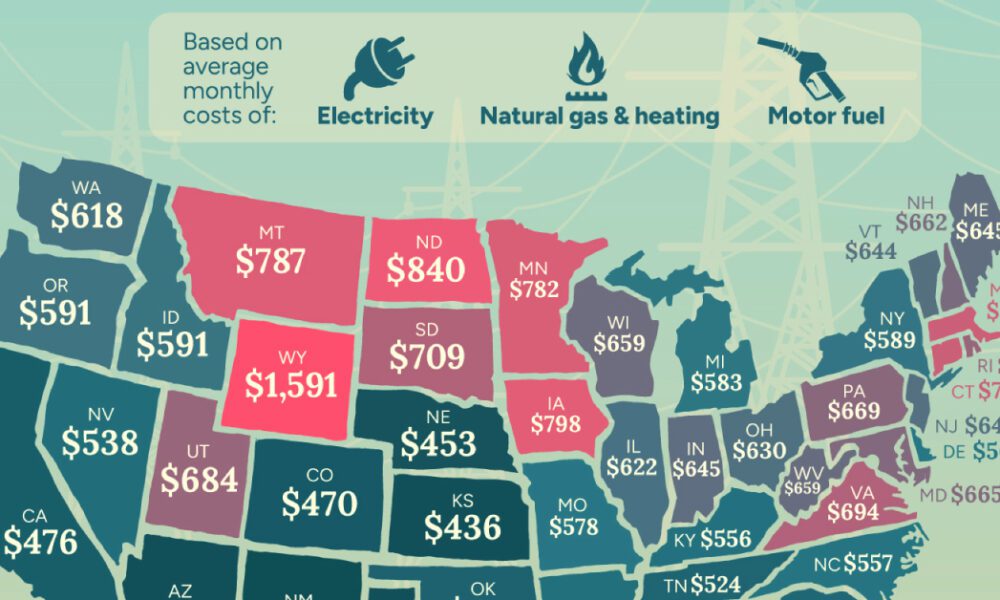
Nebraska Electricity Prices: Third-Lowest Rates in the US (2024)
Nebraska maintains one of the lowest electricity costs in the U.S. Due to its unique 100% publicly owned power system. Whereas national residential averages hit 17.45 cents per kilowatt-hour (kWh) in April 2026, Nebraska’s structural advantage creates a significant cost delta for industrial and residential consumers compared to high-cost states like Hawaii.
Energy volatility is no longer a line-item detail. it is a balance sheet liability. For C-suite executives eyeing geographic expansion or facility relocation, the variance in utility overhead can dictate the viability of a project. This pricing divergence creates an immediate demand for site selection consultants and energy management firms capable of auditing regional OpEx to protect margins.
The National Pricing Surge and the 21% Climb
The cost of keeping the lights on is accelerating. According to data from Electric Choice, the national average residential electricity rate has climbed 21% in just five years, rising from a base of 14.92¢/kWh in 2022. This trajectory reflects a systemic pressure on consumers and businesses alike.
Current figures for April 2026 demonstrate the national average residential price at 17.45 cents per kWh. This represents a 9.5% increase compared to the previous year. When the average U.S. Home consumes 863 kWh of electricity per month, these incremental basis point increases translate into thousands of dollars in lost liquidity for the average household over a multi-year cycle.
The numbers are stark.
While the national average rises, the gap between the cheapest and most expensive markets is widening. Data from Choose Energy, based on U.S. Energy Information Administration (EIA) figures, highlights a brutal disparity: North Dakota currently offers the cheapest residential rates at 10.92 cents per kWh, while Hawaii sits at the opposite end of the spectrum with rates reaching 39.79 cents per kWh.
The Nebraska Anomaly: A Public Power Stronghold
Nebraska operates on a fundamentally different fiscal logic than the rest of the country. As the only state that generates electricity entirely through publicly owned power systems, it has insulated its economy from many of the profit-driven pricing spikes seen in deregulated or investor-owned utility markets.
As of 2024, Nebraska’s average electricity price stood as the third-lowest in the nation. The financial impact is quantifiable: electricity costs 30 percent more nationally than it does within Nebraska’s borders. This is not a fluke of geography but a result of infrastructure policy. The Nebraska Department of Water, Energy, and Environment confirms this systemic advantage, noting the state’s unique reliance on public systems to drive down costs.
Efficiency is the primary engine here. The Lincoln Electric System (LES) positions itself as one of the most efficient utilities in the country, allowing customer-owners to save hundreds of dollars annually compared to the average U.S. Resident.
Three Macro Drivers of Utility Divergence
The current energy landscape is defined by three primary forces that are reshaping corporate site selection and residential spending:

- Ownership Model Arbitrage: The contrast between Nebraska’s 100% publicly owned system and the investor-owned models in other states creates a permanent cost advantage. Public power systems prioritize cost-recovery and service over shareholder dividends, effectively lowering the floor for electricity pricing.
- Inflationary Compounding: The 21% increase in residential rates since 2022 indicates that energy inflation is outstripping general CPI in several sectors. This forces firms to engage corporate tax strategists to identify offsets for rising utility overhead.
- Regional Infrastructure Bottlenecks: The massive gap between North Dakota (10.92 cents/kWh) and Hawaii (39.79 cents/kWh) underscores how local taxes, utility fees, and energy source availability create “energy islands.” Companies are now prioritizing regions with stable, low-cost energy infrastructure to hedge against future volatility.
Low rates are a competitive weapon.
The Bottom Line for Enterprise OpEx
For a mid-market manufacturer or a data center operator, a 30% reduction in power costs is the difference between a lean operation and a struggling one. When residential rates climb by nearly 10% in a single year, industrial rates often follow a similar, if not more aggressive, trajectory. The reliance on EIA data proves that these aren’t just fluctuations—they are structural shifts in the cost of doing business.
The fiscal problem is clear: energy unpredictability erodes EBITDA margins. The solution lies in strategic relocation and the optimization of energy procurement. Firms that ignore the geographic disparity in electricity pricing are essentially accepting a voluntary tax on their operations.
As we move into the next fiscal quarters, the trend toward energy-centric site selection will only accelerate. The disparity between the 10.92 cents in North Dakota and the nearly 40 cents in Hawaii is too large for any serious CFO to ignore.
The market is shifting toward regions that can guarantee energy stability and cost-efficiency. To navigate these transitions and secure the necessary infrastructure, executives should leverage the vetted B2B partners available through the World Today News Directory to ensure their operational footprint is optimized for the 2026 economic climate.