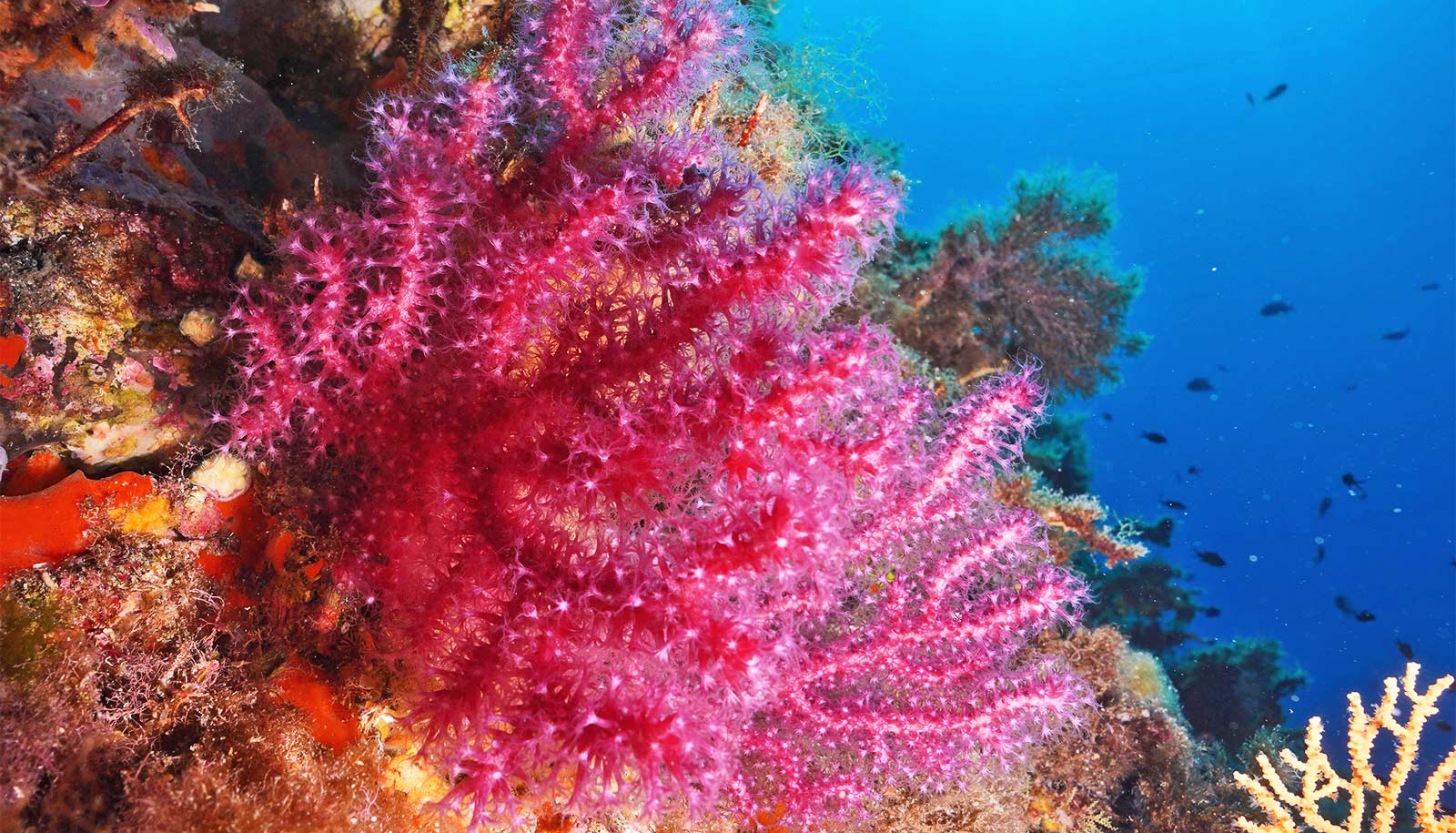
Nearly Half of Reef-Building Coral Species Face Elevated Extinction Risk, Nature Study Finds
A study published Thursday in Nature finds that 44 percent of the world’s reef-building coral species face an elevated risk of extinction, a sharp increase from the one-third deemed threatened in the last global assessment in 2008.
The assessment, led by the International Union for Conservation of Nature Species Survival Commission (IUCN SSC) Coral Specialist Group, evaluated 892 species using data up to 2020. Of the 774 species with sufficient data, 340 qualified as threatened — 33 critically endangered, 251 endangered and 56 vulnerable — according to the IUCN Red List categories.
Climate-driven thermal stress is the principal driver for more than 90 percent of the species at highest risk, the study found. Researchers used historical coral-cover trends, projections of severe bleaching events over three decades, and species-specific biological traits to model extinction risk.

Extinction risk is uneven across regions. In the Indo-Pacific, 43 percent of assessed species were classified as threatened. In the Atlantic, the proportion reached approximately 50 percent, the study found.
Among Indo-Pacific Acroporidae — a family that includes staghorn and plating corals critical to reef structure — 191 of 279 species, or 68 percent, were assessed as endangered.
The analysis was completed before the extraordinary ocean temperature spike and the fourth global coral bleaching event of 2023–2025. Obura, who earned his PhD from the University of Miami’s Rosenstiel School in 1995 and now directs CORDIO East Africa, cautioned that the current risk proportion is “quite probably higher.”
The ongoing El Niño cycle could further exacerbate conditions, he added.
Coral reefs occupy a fraction of the ocean floor but support fisheries, protect coastlines and sustain livelihoods across more than 100 tropical countries.