
Neanderthals Used Birch Tar as Antibiotic & Adhesive: New Study
Neanderthals employed birch bark tar not only as an adhesive for crafting tools but also as a natural antibiotic to treat wounds, according to a study published this week. Researchers at the University of Cologne in Germany and the University of Oxford in the United Kingdom have demonstrated the substance’s antibacterial properties, offering new insight into the medical practices of our extinct human relatives.
The findings, published in the journal PLOS One, build upon existing archaeological evidence showing frequent occurrences of birch tar at Neanderthal sites, including the Cueva de El Sidrón in Asturias, Spain. While previously understood as a versatile adhesive used for tool construction for over 150,000 years, the new research explores the potential for medicinal applications.
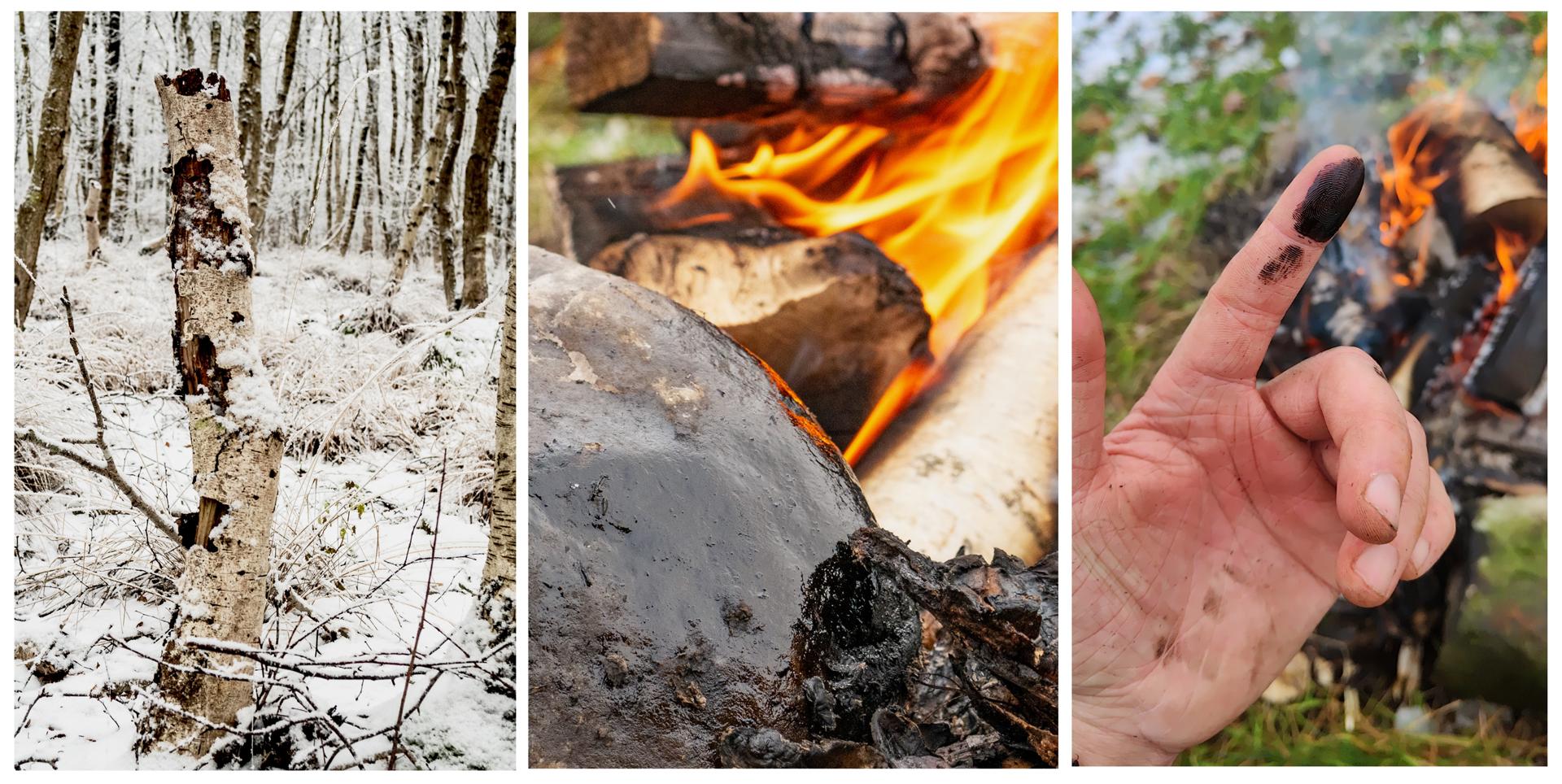
Researchers recreated ancient extraction methods to analyze the tar’s composition, utilizing techniques likely available to Neanderthals, such as distilling the tar in clay pits and condensing it against stone surfaces. They then tested the resulting samples against various bacterial strains.
The tests revealed that birch tar effectively inhibits the growth of Staphylococcus aureus, a bacterium commonly responsible for skin infections and wound complications. “All samples of tar demonstrated efficacy in inhibiting the growth of the bacteria,” researchers confirmed, according to a statement released by the Agencia Sinc.
This discovery supports the hypothesis that Neanderthals intentionally used birch tar to prevent infection and promote wound healing. The practice isn’t lost to time; indigenous communities in Northern Europe and Canada continue to utilize birch tar in traditional medicine, applying it directly to wounds as an ointment or poultice.
The study also suggests the possibility of additional uses for the tar, such as an insect repellent, further indicating a sophisticated understanding of natural resources. Researchers emphasize that this knowledge allowed Neanderthals to mitigate illness in challenging environments, particularly during ice ages.
The field of paleopharmacology, as exemplified by this research, holds potential for developing new treatments in the face of growing antibiotic resistance. The investigation focused on birch species known to have been present in Neanderthal habitats, extracting the tar and employing various extraction methods.