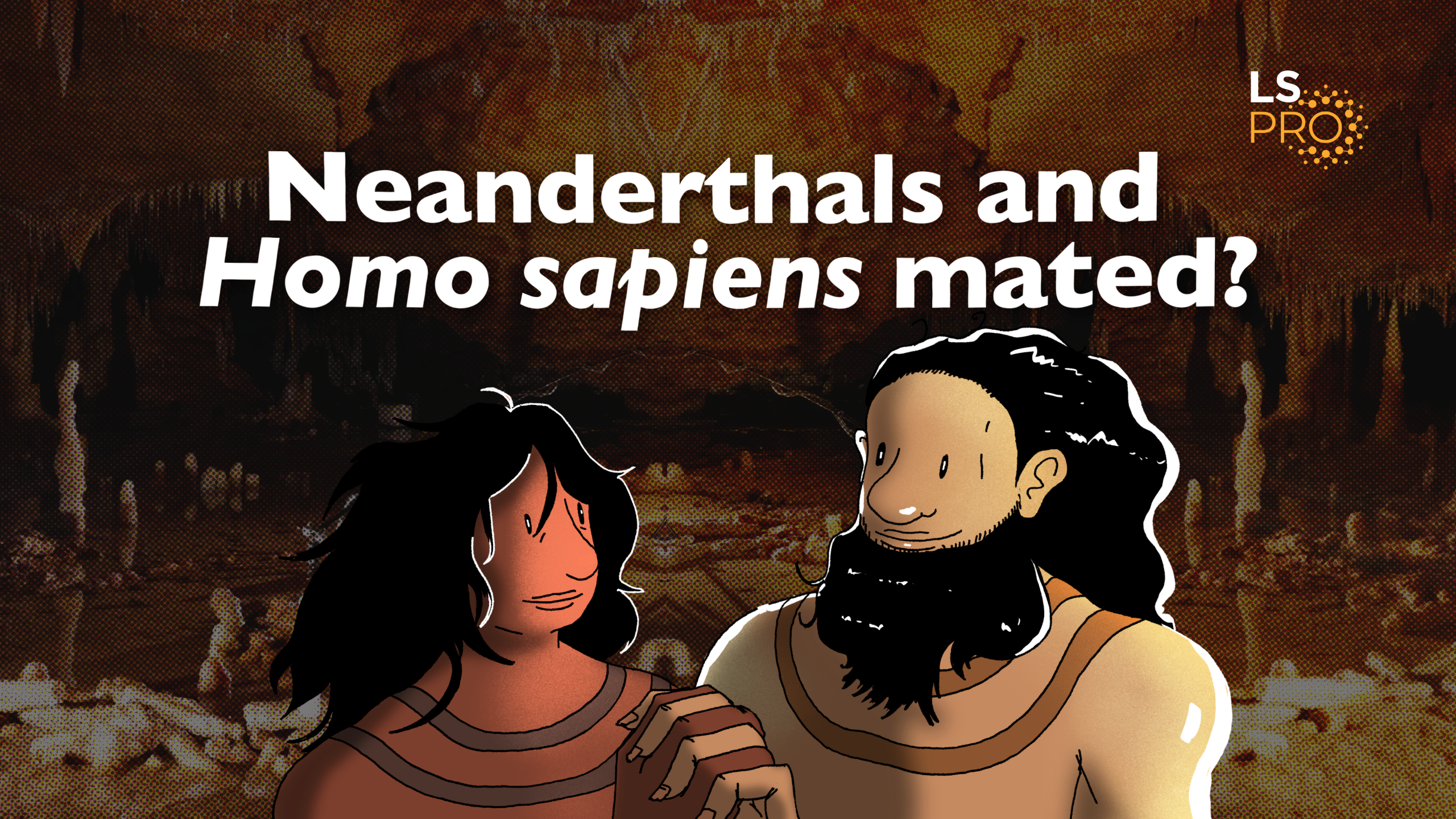
Neanderthal DNA Legacy Reveals How Interbreeding Shaped Modern Human Survival
Modern humans carry traces of Neanderthal DNA today, originating from a single major period of interbreeding that began 47,000 years ago and persisted for nearly 7,000 years.
This genetic legacy, which saw more than 5 percent of the ancestral human genome consist of Neanderthal DNA, suggests that roughly one in 20 parents during that era was a Neanderthal. While much of this DNA was removed by evolution, the remaining 1 to 2 percent found in people with ancestry outside Africa influences modern metabolism, skin color, and immune systems.
Recent findings highlight how these inherited traits continue to affect human biology. A study published in Current Biology in August 2026 identified a Neanderthal variant of the growth hormone receptor that accelerates cell growth in laboratory settings.
Individuals carrying this variant possess slightly more muscle mass and height, though researchers noted these effects remain minor compared to other environmental and genetic influences.
The survival of such traits serves as a reminder of our shared history.
“They live on in us. In a way, they never disappeared,” Hugo Zeberg of the Karolinska Institute put it.
While Neanderthals possessed larger average brain sizes and utilized tools, fire, and clothing, modern humans likely succeeded by forming larger, more complex social networks. These groups thrived while Neanderthals lived in smaller, isolated bands.
| Population Group | Neanderthal Variant Prevalence |
|---|---|
| South Asians | 20% |
| East Asians | 15% |
| Europeans | 0.5% |
Source 2 reports that the surviving Neanderthal segments are enriched for genes linked to skin colour, metabolism and immune function, which likely helped early modern humans adapt to new Eurasian environments. Source 1 adds that how these encounters actually unfolded remains a huge unanswered question, and that answering it may shed light on what made the two groups different and why modern humans ultimately thrived.

Source 2 lists violent encounters, novel diseases, resource competition, gradual absorption through interbreeding and climate change as proposed explanations, noting that none of the theories rules out the others. As geneticist Hugo Zeberg of the Karolinska Institute cautions, Neanderthals “lived longer in Eurasia than we have done so far” and “were quite successful for hundreds of thousands of years” — a reminder that modern-human survival was not inevitable.
The genetic record reframes the question from a simple replacement narrative to one of two closely related peoples who lived side by side for millennia and became, in part, one family, according to Source 2. Source 1 echoes that uncovering the details of these relationships from ancient DNA and archaeological evidence may clarify the differences that ultimately mattered.
Evidence for these interactions is drawn from the genomes of over 300 ancient modern humans dating back 45,000 years. Researchers continue to examine archaeological evidence and ancient DNA to understand the disappearance of Neanderthals roughly 40,000 years ago, considering factors such as climate change, competition, and disease.
“They were quite successful for hundreds of thousands of years,” Zeberg said.