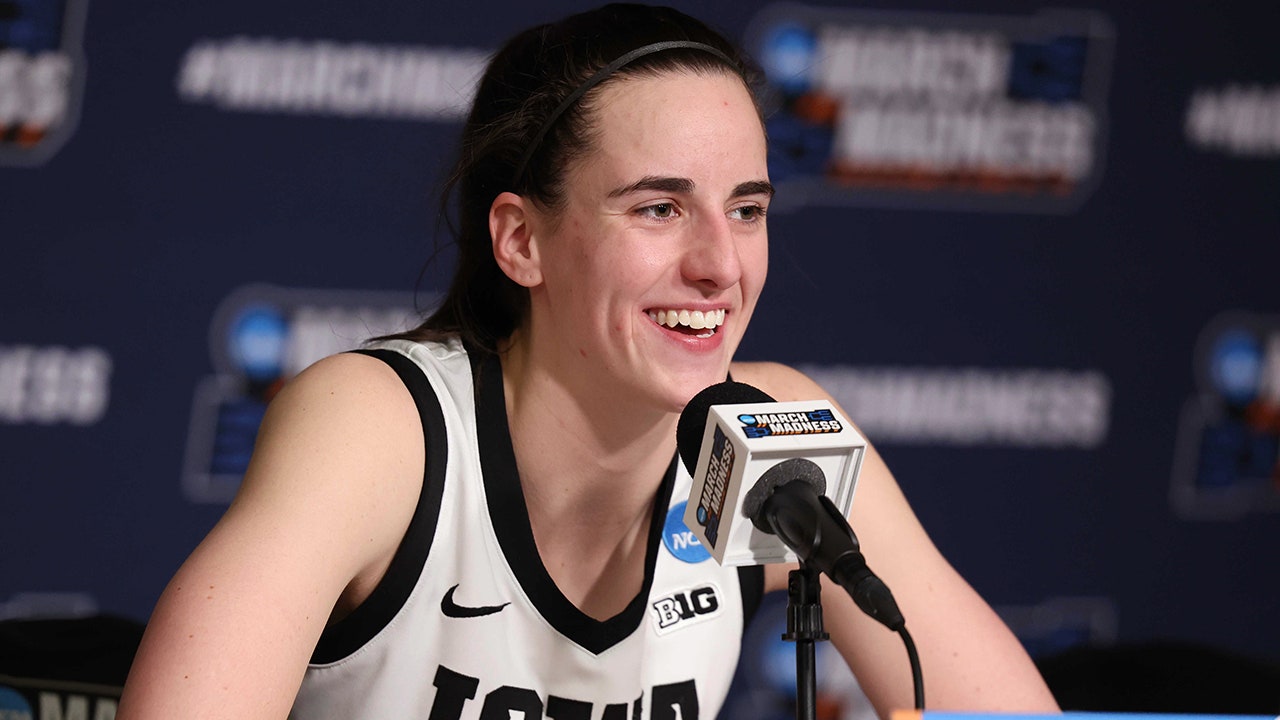
NCAA Ends Women’s Off-day Media Mandate Before Elite Eight, Keeps Men’s
The NCAA will no longer require women’s basketball teams to hold news conferences or open locker rooms to reporters on the off day between the Sweet 16 and the Elite Eight, while maintaining those mandatory sessions for men’s teams, the Division I Women’s Basketball Committee announced July 10.
The change was detailed in a Nov. 20 memo from NCAA vice president Lynn Holzman to member schools obtained by USA TODAY Sports.
Each school now decides whether to make its coaches and players available on that day. Men’s teams playing for a spot in the Final Four must still hold both a news conference and open their locker rooms.
In addition to ending the mandatory off-day sessions, the NCAA will cease providing transcription services to media during press conferences, Mitchell Northam of USA TODAY Sports reported. It is unclear whether the new guidelines will also apply to the men’s tournament, Yahoo Sports reported, citing Northam’s reporting.

The policy change comes as the NCAA Women’s Basketball Tournament has received a ton of eyeballs in recent years, thanks to stars like Caitlin Clark, Angel Reese and Paige Bueckers growing the women’s game. “It’s interesting that the NCAA would want to provide less media access instead of more media access, given how much the sport is blowing up,” Yahoo Sports said.
The memo also outlined that coaches are no longer required to shake hands before NCAA Tournament games, a provision added after a controversial exchange between Geno Auriemma and Dawn Staley during last year’s Final Four, according to Yahoo Sports, citing the site Awful Announcing.
Awful Announcing first reported the memo’s existence and its connection to the Auriemma–Staley incident. Yahoo Sports subsequently cited that reporting when detailing the handshake rule and the broader media-access changes.
Locker room access has been a point of contention in women’s basketball for years. The WNBA eliminated locker room access entirely several years ago, though reporters can still request access to players after games.