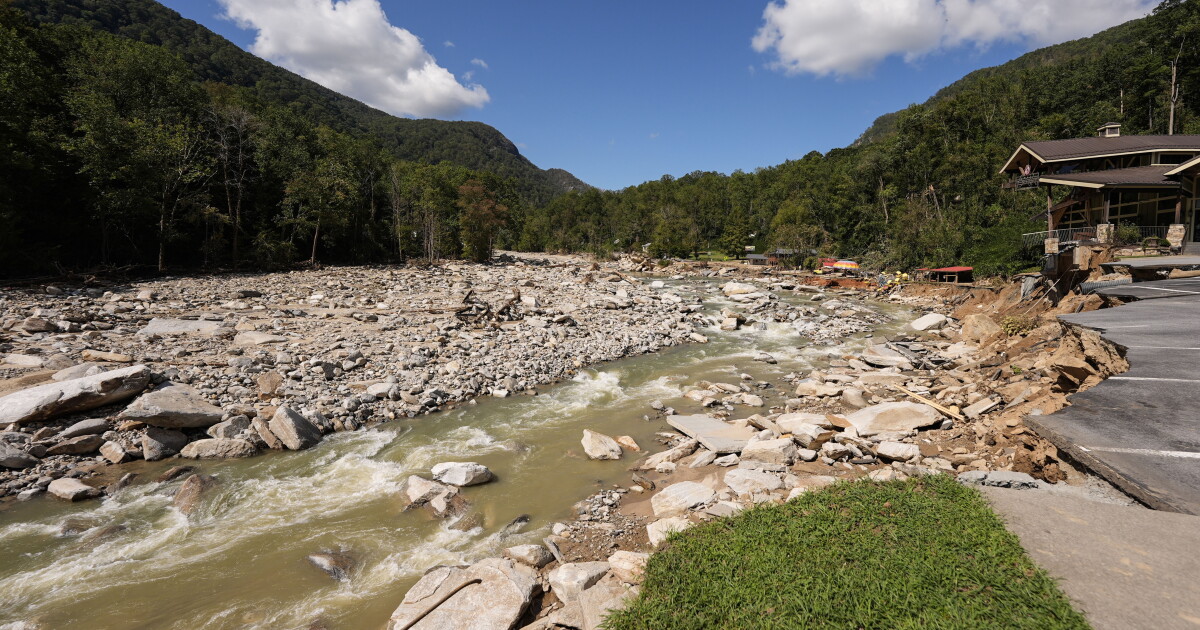
NC Treasurer loans $23M to western NC for Hurricane Helene recovery
The North Carolina Department of State Treasurer is distributing nearly $23 million in interest-free cash-flow loans to eight local governments in Watauga, Rutherford, Haywood, Madison, and Polk counties. Designed to support Hurricane Helene recovery, the program utilizes artificial intelligence to manage administrative tasks, allowing the state to maximize capital deployment for infrastructure and public safety projects.
Capital Allocation and Loan Mechanics
The $23 million disbursement represents a critical liquidity bridge for municipalities still managing the fiscal fallout of the 2024 storm. According to the Department of State Treasurer, the funding consists of $20 million appropriated in the 2026 state budget and $2.7 million carried over from previous allocations. These funds are structured as interest-free loans, with a mandatory repayment deadline of June 30, 2030.
The state treasurer’s office reports that it has received over $100 million in total funding requests this year, showing a significant gap between available capital and regional recovery requirements. Officials prioritized applicants based on specific criteria, including pre-existing funding applications with other entities, as well as projects focused on public health, safety, and regionalization.
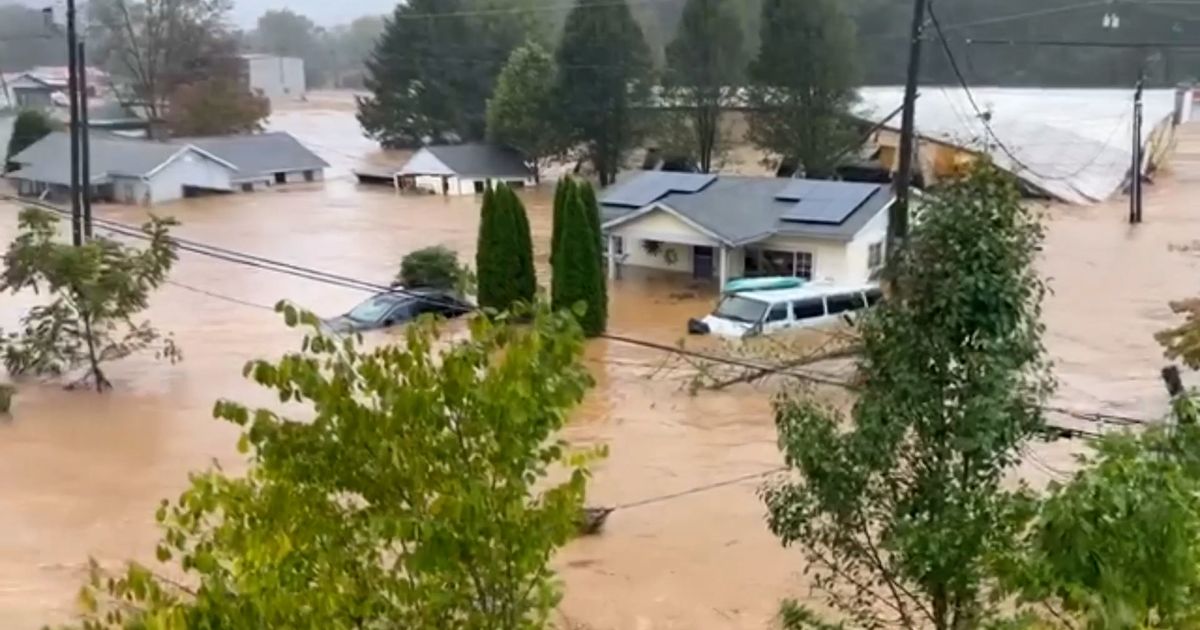
Efficiency Gains Through Artificial Intelligence
A primary driver of this funding cycle’s efficiency is the integration of artificial intelligence into the Treasury’s loan management operations. North Carolina Treasurer Brad Briner stated that the department utilized automation to reduce administrative costs by 90%, ensuring that the full appropriation reaches the impacted communities rather than being diverted to overhead expenses.
State law permits the use of up to 2% of appropriated funds for administrative costs. By using AI, the department successfully avoided the need to hire external accounting firms or additional temporary staff. This technology now tracks the obligations of 119 active borrowers, managing varying repayment schedules and identifying when direct communication with local government officials is necessary.
Addressing the Infrastructure Funding Gap
Despite the current distribution, approximately $80 million in requests from Western North Carolina remain unfunded. The program, which debuted in 2025, serves as a stopgap measure for communities awaiting federal recovery grants. As the state moves toward the 2030 repayment window, the Department of State Treasurer intends to recycle repaid capital back into the program, potentially creating a revolving fund for future regional emergencies.
The reliance on automated systems reflects a broader shift within the North Carolina state government. The Treasury has previously engaged in pilot programs with OpenAI to analyze public financial data and identify process improvements. This technical integration is intended to address persistent frustrations regarding the speed of government response times.

Strategic Financial Management for Local Government
The current recovery effort highlights the importance of thorough financial planning for local governments operating in disaster-prone regions.
As the state legislature prepares to review the program’s future in upcoming sessions, the focus remains on scalability. Should lawmakers opt to increase appropriations, the Treasury’s existing AI infrastructure is positioned to handle expanded loan portfolios without a proportional increase in administrative headcount. This model offers a template for state-level financial management, emphasizing that technology, when paired with human oversight, can significantly enhance the speed and efficacy of public resource distribution.