NBA’s New 3-2-1 Draft Lottery: Will It Really End Tanking or Just Shift the Game?
The NBA Board of Governors has approved a new “3-2-1” draft lottery structure, supported by a 29-1 vote, to curb intentional losing. By expanding the lottery to 16 teams and flattening odds for the worst performers, the league aims to protect competitive integrity, though critics suggest it merely incentivizes middle-tier mediocrity.
The Architecture of Competitive Decay
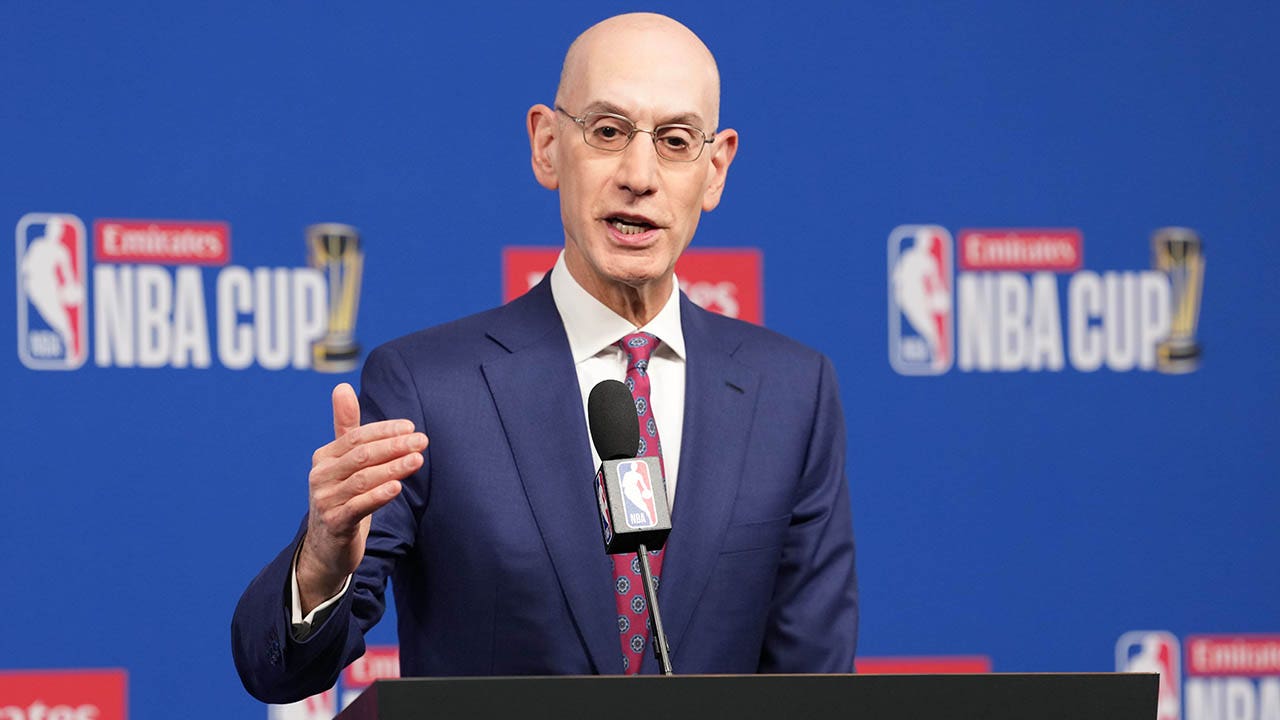
In the high-stakes ecosystem of professional sports, the “tanking” phenomenon has long functioned as a cynical, albeit logical, business strategy. When a franchise lacks the brand equity to attract marquee free agents, the draft becomes its only viable pipeline for long-term growth. However, the NBA’s latest pivot—a sophisticated recalibration of lottery probabilities—suggests a league finally attempting to legislate against its own incentives. As Commissioner Adam Silver pushes for this “3-2-1” model, the industry watches with bated breath, questioning whether What we have is a genuine fix or merely a reshuffling of the deck.
According to the official league proposal, the most egregious bottom-feeding will be curtailed by stripping the three worst teams of their traditional statistical advantage. The structure introduces additional safeguards, such as preventing a team from securing the top pick in consecutive seasons or landing a top-five selection in three consecutive drafts. These rules are designed to prevent the “teardown” culture that leads to 15-win seasons, which notoriously erode broadcast viewership and diminish the league’s overall brand value.
The Incentive Shift: From Bottom-Feeding to Mid-Table Drift
While the goal is to discourage the race to the bottom, the unintended consequence is a potential surge in “calculated mediocrity.” By elevating the lottery odds for teams finishing between the fourth and 10th-worst spots, the league has inadvertently created a sweet spot for teams hovering near the play-in tournament. If a franchise realizes that falling from the eighth seed to the ninth offers a meaningful statistical boost in the draft lottery, the temptation to “drift” becomes a rational economic choice.

“The league is essentially attempting to solve a structural economic problem with a mathematical band-aid. When the draft remains the primary source of premium talent, you cannot blame the franchises for optimizing their odds. The issue isn’t the lottery itself; it’s the lack of alternative pathways for small-market teams to acquire superstar-level IP,” notes a veteran sports media consultant.
This shift echoes the challenges faced by studios in the SVOD era, where the pressure to maintain consistent performance metrics often clashes with the desire for long-term franchise health. When a brand faces this level of public scrutiny and competitive fallout, standard PR statements rarely suffice. Organizations caught in the crosshairs of such systemic changes often require the services of [Crisis Communication Firms] to manage the narrative and ensure that the “tanking” label does not permanently damage their corporate reputation or fan engagement metrics.
The Play-in Paradox
The NBA’s Play-in tournament adds a layer of complexity that borders on the paradoxical. Under the new guidelines, a team that loses the opening matchup between the seventh and eighth seeds remains eligible for the lottery with a 2.7% chance at the top pick, while the winner is locked into a late first-round selection. This creates a bizarre incentive structure where a team might theoretically benefit from losing a crucial postseason-adjacent game.
This is a logistical leviathan for front-office executives. Managing a roster under these conflicting incentives requires more than just coaching; it requires a sophisticated legal and strategic framework. Teams are increasingly looking toward [Sports & Entertainment Legal Counsel] to navigate the complexities of player contracts and league compliance, especially as the NBA keeps a closer eye on benching practices, such as the investigation into teams sitting multiple starters for single games.
The Future of Franchise Strategy
As the league moves toward this new era, the race to the bottom may be slowing, but the race to the middle is likely just beginning. For franchises, the focus must shift from pure lottery math to building sustainable brand equity through scouting, player development, and smart cap management. The teams that thrive will be those that view the draft as one component of a broader strategy rather than the sole objective of a season.

For those in the sports business looking to navigate these choppy waters, the demand for high-level expertise has never been greater. Whether We see [Talent Agencies] managing the career trajectories of players caught in these organizational shifts, or [Event Management Services] handling the high-pressure environment of the play-in tournament, the industry is bracing for a new reality. The NBA’s 3-2-1 scheme is not just a rule change; it is a signal that the league is prioritizing the optics of competition over the comfort of the bottom-tier rebuild. Whether this shift succeeds in elevating the league’s product remains to be seen, but one thing is certain: the era of the “unwatchable” late-season game is being aggressively targeted.
Disclaimer: The views and cultural analyses presented in this article are for informational and entertainment purposes only. Information regarding legal disputes or financial data is based on available public records.