Naturalists Have Cataloged Eight Species With Exceptional Predatory Adaptations
Naturalists have cataloged eight species with exceptional predatory adaptations, according to Discover Wildlife, revealing a diverse array of lethal strategies used across the animal kingdom.
From the depths of the ocean to the open plains, these creatures employ specialized biology to secure their next meal.
The ghost bat, also known as the false vampire bat, utilizes Dracula-like fangs as the largest carnivorous bat in the world, hunting frogs, lizards, birds, and other bats.
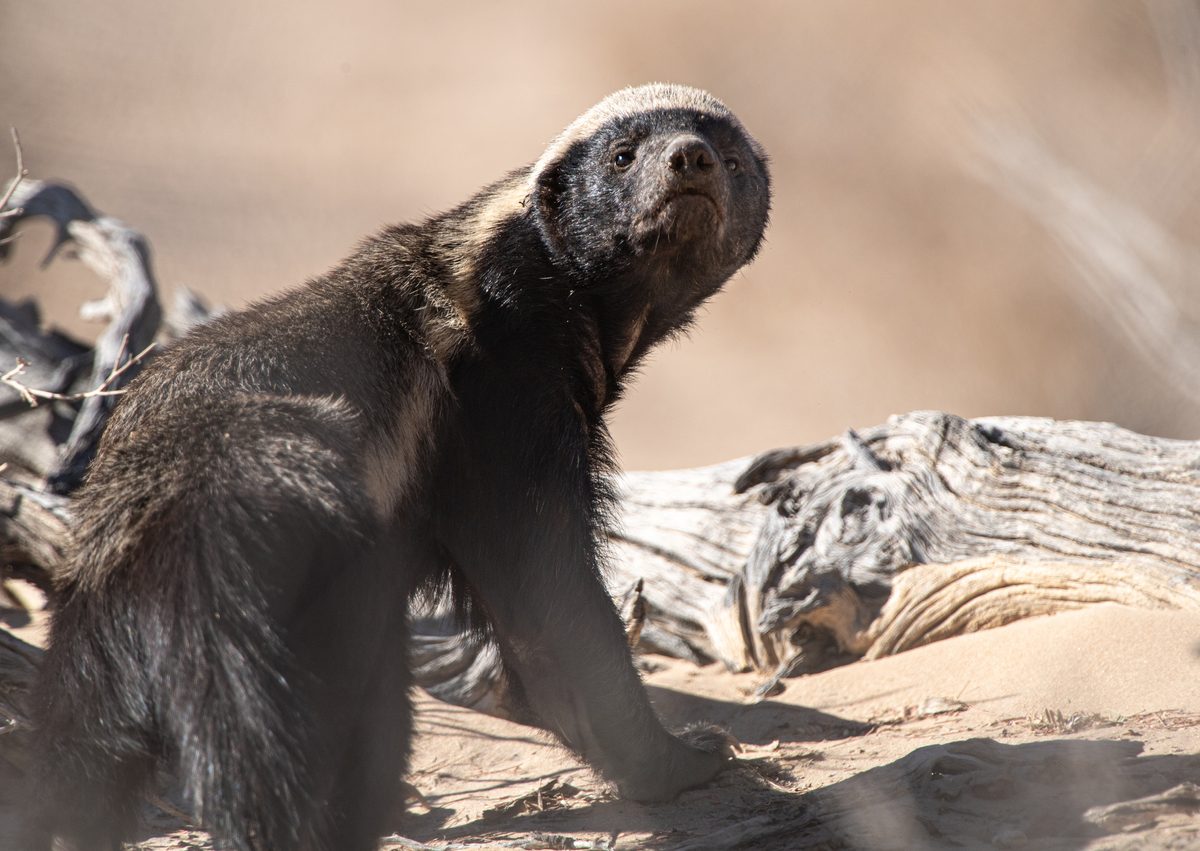
For sheer fearlessness, the wolverine and the honey badger stand out among mustelids for taking on much larger prey. The honey badger can drive lions off kills, while the wolverine brings down a full-grown moose by nipping continuously at its heels.
Aquatic predators display specialized movement mechanics. The bluefin tuna reaches speeds of 65kmph while maintaining a hydrodynamic torpedo shape. At a cruising speed of 16kmph, its extended fins allow sharp turns, but at top speed those fins fold into slots to reduce drag.
Cooperative tactics set certain birds apart. Unlike most raptors, Harris hawks hunt together to flush rabbits into the open, a method that studies show provides twice as much food for each participating bird compared to hunting alone.
Specialized sensory organs drive other hunters. Hammerhead sharks possess broad heads covered in receptors that detect electrical pulses from moving muscles, allowing them to locate a buried AA battery from a distance of 10m.
Striking speed and power vary widely among invertebrates and reptiles. The mantis shrimp can punch through bulletproof glass with barbed forelegs from vertical burrows in the sand. The alligator snapping turtle uses a worm-like piece of tissue inside a mouth capable of exerting a thousand pounds of pressure per square inch.
Finally, the giant cuttlefish changes its entire body hue from white to purple in less than a second while firing its tentacles too fast for the human eye to register.