
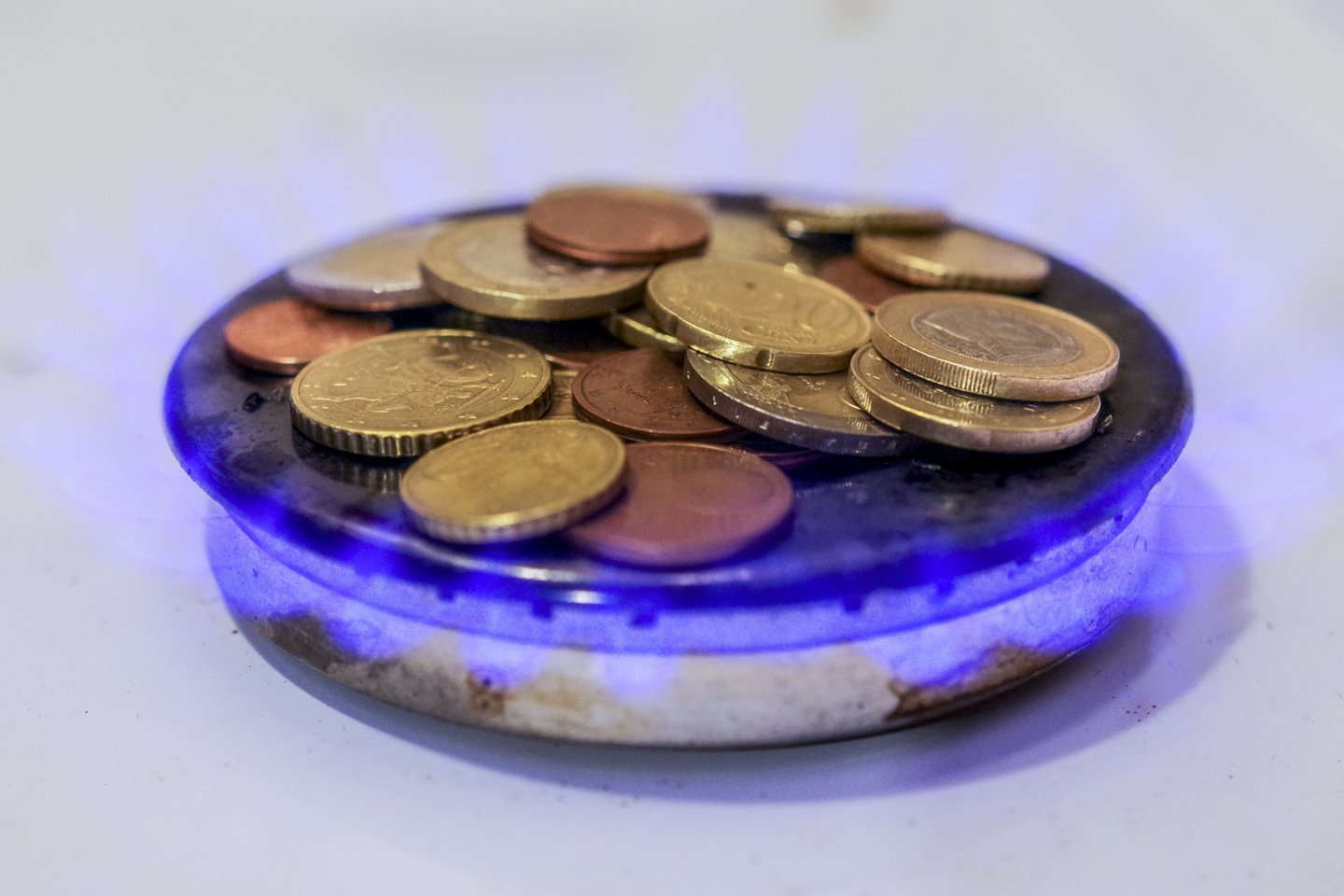
Energy Costs Remain Stable as Lithuanian Electricity Prices Surge
Vilnius, Lithuania – December 1, 2025 – Despite a significant jump in Lithuanian electricity prices last week, regional fuel markets remained relatively stable, with Brent crude oil futures projected too hold steady and gasoline remaining most affordable in Lithuania among the Baltic states.The developments highlight a complex energy landscape for the region as winter demand increases.
Consumers and businesses across Lithuania are bracing for possibly higher energy bills following a 23% increase in wholesale electricity costs, but broader fuel prices offer some respite. the price stability in oil and comparatively lower gasoline costs in Lithuania provide a partial offset to the rising electricity rates, impacting household budgets and business operating expenses as the country heads into colder months. Continued monitoring of these trends is crucial for energy security and economic planning.
Brent oil futures are currently forecast to trade within a range of $60 to $65 per barrel over the next year, mirroring expectations from the previous week.Within the Baltic states, Lithuania offered the lowest gasoline prices during the week of November 24-30, while Estonia had the cheapest diesel fuel. The price difference between diesel and gasoline in Lithuania widened to €0.147.
Lithuanian wholesale electricity prices rose from €116.3/MWh to €142.5/MWh during the same period. This increase was attributed to decreased domestic power generation,heightened consumption,and reduced import capacity from Scandinavian countries.
Total electricity consumption in Lithuania increased by 8.3% week-over-week, reaching 285.9 GWh.Domestic electricity generation fell by 17% to 135 GWh, meaning approximately 47% of Lithuania’s electricity needs were met by local production, with the remainder imported from Sweden and Latvia.
Wind power generation experienced a considerable decline, producing 62.8 GWh – a decrease of 42.4% compared to the prior week. Solar power output also dropped substantially, falling 57.1% to 2.4 GWh. Conversely, thermal power plants increased generation by 65.1% to 38.2 GWh, and hydroelectric generation rose by 50.1% to 18 GWh.
The price of biomass in Lithuania also increased, reaching €23.27/MWh, a 5.6% rise from the previous week’s €22.03/MWh. This price is up from €21.53/MWh during the same period last year.
