NATO vs Russia: Is War Coming to Europe? | Threat Assessment & Preparedness
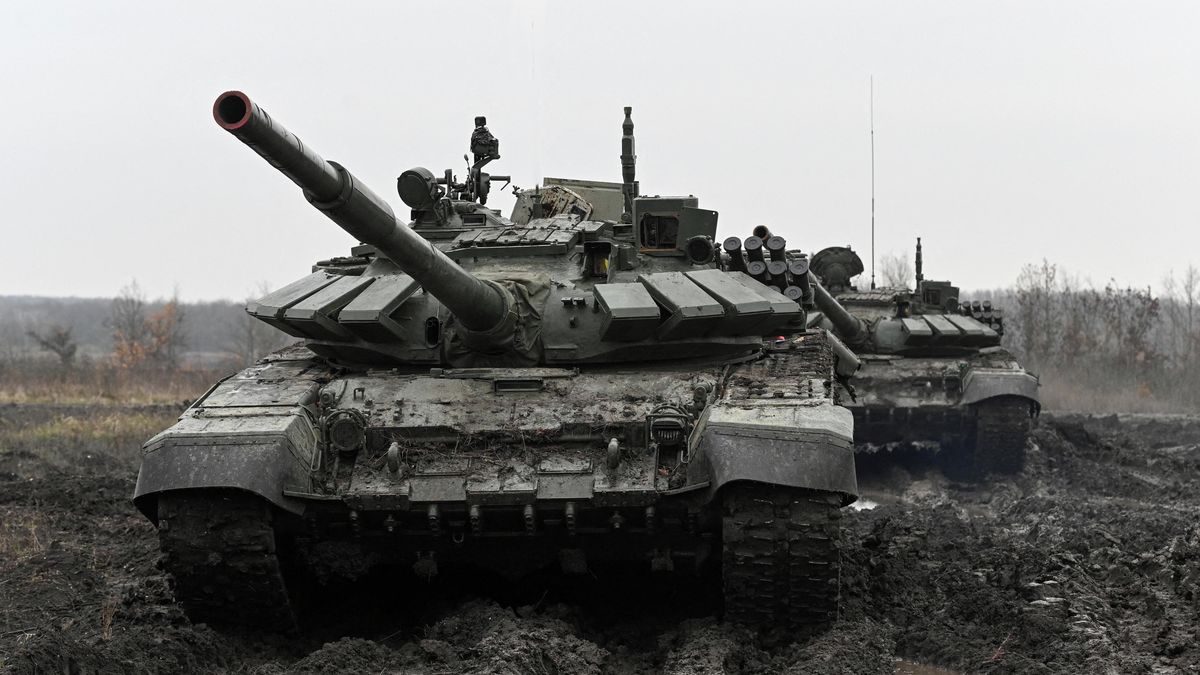
NATO Secretary General Mark Rutte has urged member states to prepare for a “full-scale” war with Russia, warning that the Kremlin could be ready to attack the alliance within five years. The assessment, delivered in December and reiterated in recent statements, comes as European security officials increasingly focus on potential Russian aggression and the implications of a shifting geopolitical landscape.
Rutte’s call for preparedness reflects growing concern over Russia’s military modernization and its ongoing war in Ukraine. According to a security analyst from the European Council on Foreign Relations, Marta Prochwiczová Jazowská, Russia might test NATO through “gradual hybrid escalation” or a “rapid, limited military operation” designed to create political shock. “Both options are realistically on the table and would depend on the situation most advantageous for Moscow,” she said.
The warning coincides with increased military activity along NATO’s eastern flank. A Seznam Zprávy visit to the Lithuanian military base in Pabradė, which hosts troops from multiple alliance members, highlighted the focus on defending the border, located just 30 kilometers from Belarus. The base is a key point in bolstering the defense of NATO’s eastern border.
Experts identify several key variables that could influence a Russian decision to strike at NATO. A negotiated settlement in Ukraine that favors Moscow is considered a significant trigger. Such a settlement, potentially involving the demilitarization of Ukraine, Russian political influence in Kyiv, and control over the Donbas region, would not only provide Russia with a military advantage but as well signal acceptance of its imperial ambitions, according to Prochwiczová Jazowská.
“An immediate warning sign is if any form of ceasefire comes into effect in Ukraine. If large-scale combat operations are reduced, then time is running out and the brakes are off,” stated Keir Giles, an analyst at Chatham House, who closely monitors the Russian military. He estimates Russia could require six months to a year to reconstitute its forces and reposition them for a potential attack on NATO following a ceasefire in Ukraine.
Beyond the situation in Ukraine, Russia’s military capabilities are also under scrutiny. Despite the ongoing conflict, the Russian economy has adapted to wartime conditions, with a significant portion of its expenditures directed towards the defense industry. Satellite imagery indicates the restoration of old bases and the accumulation of equipment near NATO’s eastern border. Nearly four years of combat in Ukraine have provided the Russian military with experience that Western armies may lack.
Russia has also strengthened ties with China, Iran, and North Korea in recent years, seeking to circumvent Western sanctions and bolster its war effort. These strategic partnerships are viewed with concern by Western intelligence agencies.
Although, the cohesion of NATO itself is emerging as a critical factor. Russian President Vladimir Putin recently stated that Russia has no intention of attacking the alliance, expressing a desire to fully restore relations with the United States. But this statement is juxtaposed with his repeated blaming of the West for the conflict in Ukraine.
The potential for a shift in U.S. Policy under President Donald Trump is also raising anxieties in Europe. Trump has openly criticized European countries, limited aid to Ukraine, and signaled a willingness to accommodate some of Putin’s demands. His National Security Strategy, released late last year, removed Europe and Russia from the list of primary U.S. Interests, raising concerns about a potential reduction in American military presence in Europe and a weakening of the alliance’s deterrent effect.
“This political signaling is certainly not fine for Europeans, because another factor preventing Russian aggression is unity. And this unity is currently rather fragile, and the Russians clearly witness that,” Prochwiczová Jazowská noted. She warned that a fracturing of the alliance, particularly a conflict between the U.S. And a European state, could significantly increase the likelihood of a Russian attack.
NATO Secretary General Rutte, speaking on February 24, 2026, emphasized the importance of continued aid to Ukraine, stating that “Ukraine needs more” assistance – humanitarian, financial, and military – and that “there can be no real peace in Europe without real peace in Ukraine.” However, the future of that aid, and the broader transatlantic relationship, remains uncertain.