NATO Leaders Face Multiple Security Challenges as Ankara Summit Looms Amid Russia-Ukraine Conflict
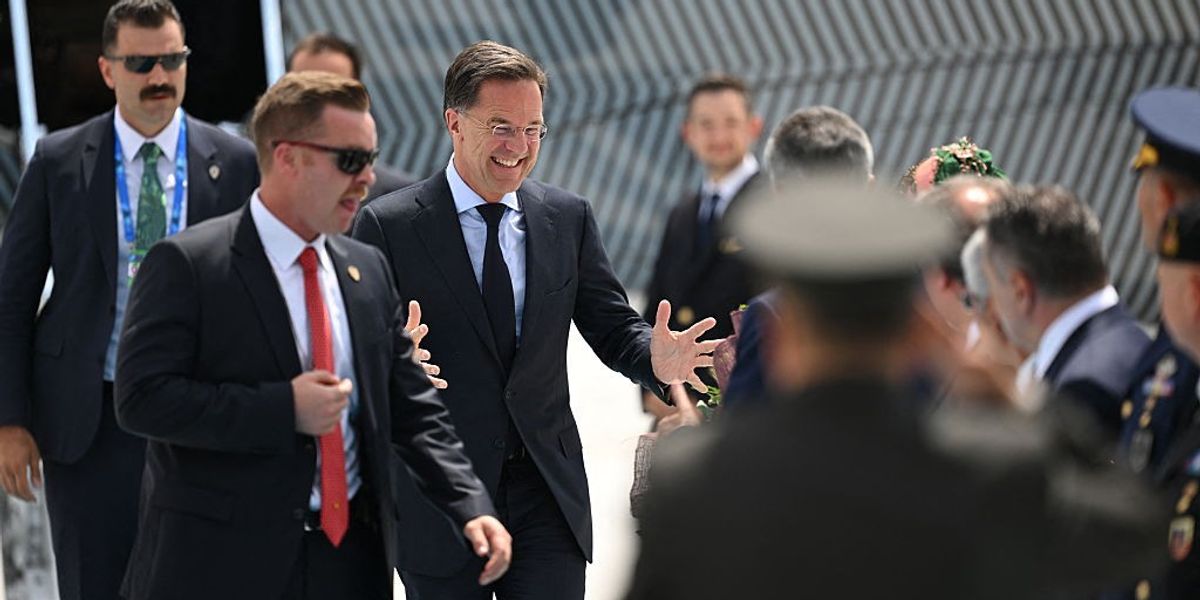
NATO leaders are meeting in Ankara to address security challenges. President Donald Trump continues to press European allies to take on more of the burden for their defense as the alliance seeks to strengthen its southern flank and expand defense production.
The summit arrives at a moment of acute volatility. Hours before the gathering began, Russian missiles and drones struck Kyiv, killing 21 people and injuring at least 77, according to reports.
Why Turkey’s role in the alliance has shifted
Turkey is viewed as playing a strategically vital role for NATO due to its geography as well as its defense industry and military capabilities. A few years ago, the relationship between Ankara and its NATO partners was strained by Turkey’s purchase of the Russian S-400 air defense system and disagreements over admitting new countries into the alliance following the February 2022 invasion of Ukraine.

Now, the geography of the conflict has changed the calculus. Retired Lt. Gen. Ben Hodges, former Commanding General of U.S. Army Europe, told The Cipher Brief that the summit provides an opportunity for allies to appreciate Turkey’s “strategically vital role.” As NATO looks to secure its southern flank, Turkey’s position becomes a critical asset.
How Russia and Iran are shaping the agenda
The conflict in Ukraine remains the dominant driver of NATO policy. President Volodymyr Zelensky is expected to seek additional Western air defense systems, particularly U.S.-made Patriot interceptors, during meetings with allied leaders.

However, the threat landscape has expanded. Instability in the Middle East, following conflict with Iran, has pushed maritime security to the forefront. Retired Adm. James Stavridis, former Supreme Allied Commander Europe, stated that President Trump would likely welcome a European commitment to participate in operations protecting commercial shipping through the Strait of Hormuz.
The alliance is also grappling with “Gray Zone” warfare. Stavridis highlighted the need for “anti-drone cooperation” and a robust discussion about the role of the alliance in cyber security to counter Russian hybrid operations.
Former senior British diplomat Nick Fishwick, who is attending meetings in Ankara, told The Cipher Brief that most people recognise that the days when European allies could freeload on massive U.S. security support have come to an end.
What is at stake for European defense spending?
The financial divide between the U.S. and Europe is a point of friction. European allies are now committed to spending two or three times the amount of GDP devoted to defence in 2015, according to Fishwick. Yet, spending alone is insufficient.
The real challenge is the “defense industrial base.” Stavridis argued that the alliance should move past broad spending pledges and begin outlining specific plans for expanding Europe’s defense industrial base.
The potential for diplomatic fallout exists. Stavridis noted that “worrisome issues” include fundamental disagreements about operations in Iran; the pace of European defense spending; support to Ukraine, both diplomatic and military; and the lingering negative effects of the U.S. moves on Greenland.
Comparing the Strategic Priorities
| Priority Area | Immediate Requirement | Long-term Strategic Goal |
|---|---|---|
| Ukraine | Patriot Interceptors / Air Defense | Success in its war with Russia |
| Middle East | Strait of Hormuz Shipping Protection | Operations in Iran |
| European Industry | Defense industrial base expansion | Rebuilding defense industries |
| Cyber/Hybrid | Anti-Drone Cooperation | Countering Russian hybrid operations |
Ultimately, the success of the Ankara summit will be measured by whether the alliance shows that its members remain aligned on the issues that matter most to their collective security. If the alliance can demonstrate unity despite President Trump’s unpredictable approach and the pressures of hybrid warfare, it will signal that the collective security framework can survive the most serious security environment in a generation.

- Russia Hits Ukrainian Train Near Poland Border After Diplomatic Transit
- UAE and ADNOC Ink €5B Deals with German Energy and Tech Giants in Massive Investment Push
- BRICS Summit 2026 Begins in New Delhi With Joint Declaration (time.news)
- Weather Forecast: Multiple Rain Zones to Cross Latvia This Week (archyde.com)