
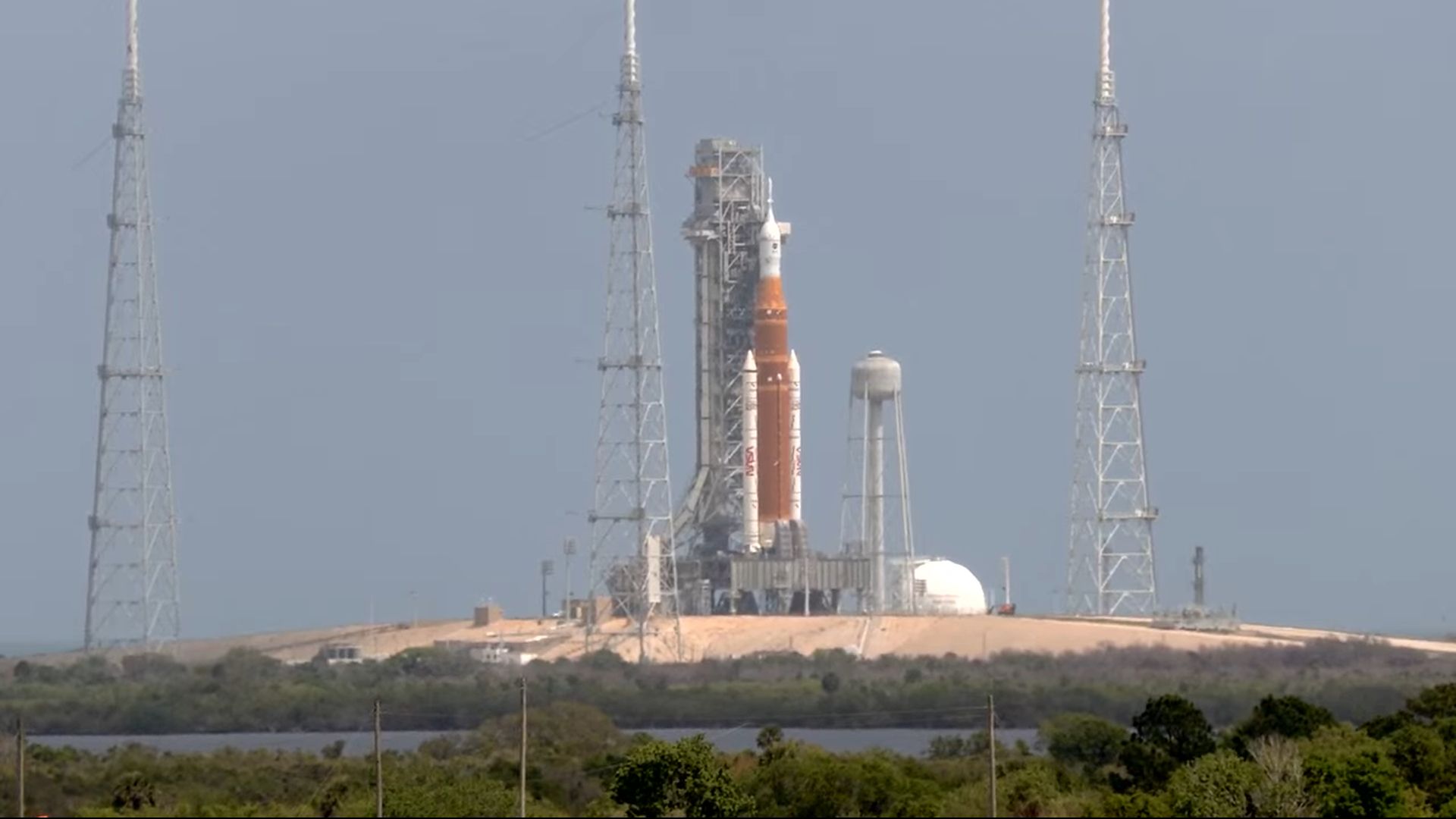
NASA’s Artemis II mission gets green light for April 1 launch as countdown begins
NASA’s Artemis II mission has officially cleared its final flight readiness review, setting a targeted launch date of April 1, 2026. While the public eye focuses on the engineering feat of returning humans to lunar orbit, the medical community views this milestone through a different lens: it is a critical Phase I clinical trial for human physiology in deep space. The green light given by launch director Charlie Blackwell-Thompson signals not just a rocket readiness, but the initiation of high-stakes biological data collection regarding radiation exposure, psychological isolation, and life-support biocompatibility.
- Key Clinical Takeaways:
- Artemis II functions as a Phase I safety trial, prioritizing crew tolerability over operational efficacy.
- Primary health risks include galactic cosmic radiation exposure and cardiovascular deconditioning during the 10-day flight.
- Success metrics rely on biometric telemetry similar to monitoring patients in intensive care units.
The progression from Artemis I to Artemis II mirrors the rigorous structure of drug development protocols found in oncology and pharmacology. Just as clinical trial phases dictate the transition from preclinical safety to human efficacy, NASA’s roadmap adheres to a similar risk-mitigation hierarchy. Artemis I served as the preclinical model, testing hardware without human subjects. Artemis II now introduces the human variable, assessing safety and tolerability before the “therapeutic intervention” of a lunar landing in Artemis III.
Physiological Risk Stratification in Deep Space
The 10-day flight plan subjects four astronauts—Reid Wiseman, Victor Glover, Christina Koch, and Jeremy Hansen—to environmental stressors absent in low Earth orbit. The primary concern remains ionizing radiation. Outside the protective magnetosphere of Earth, crew members face increased exposure to galactic cosmic rays and solar particle events. This exposure profile necessitates monitoring protocols comparable to patients undergoing high-dose radiotherapy, where cumulative dose limits are strictly enforced to prevent long-term morbidity.
Cardiovascular health presents another vector of concern. The transition from Earth’s gravity to microgravity, followed by lunar gravity, challenges autonomic regulation. Fluid shifts toward the head can increase intracranial pressure, a condition known as Spaceflight Associated Neuro-ocular Syndrome (SANS). Managing these physiological shifts requires real-time diagnostic capabilities akin to those found in board-certified cardiology specialists who manage complex hemodynamic instability.
Funding for this extensive health monitoring comes directly from the U.S. Government via NASA’s exploration systems development budget. The agency acts as both the sponsor and the regulatory body, ensuring that the data collected meets the strict guidelines required for future long-duration missions. This dual role emphasizes the require for transparency, similar to the requirements mandated by the National Cancer Institute for human subject research.
Operational Safety as Clinical Protocol
The technical hurdles cleared prior to launch, including fixes for liquid hydrogen leaks and helium-flow issues, parallel the manufacturing quality controls required in pharmaceutical production. A failure in life-support systems would constitute a severe adverse event, potentially terminating the trial prematurely. The 80% favorable weather forecast for liftoff reduces immediate environmental risk, yet the mission profile inherently carries a higher risk coefficient than standard aviation.
“Human spaceflight operates on a risk matrix similar to early-phase clinical investigations. We are establishing the safety profile for future populations before scaling to sustained lunar presence.”
— Consensus from NASA Human Research Program Medical Standards
Psychological resilience is equally critical. The crew operates in confinement with limited abort options, a stressor comparable to isolation studies used in epidemiological research. The StatPearls clinical guidelines on human subject protection emphasize the necessity of informed consent and continuous monitoring, principles strictly applied to the Artemis crew. Their psychological data will inform selection criteria for future missions, much like biomarkers predict patient response to novel therapies.
Regulatory Compliance and Occupational Health
As commercial spaceflight expands, the regulatory framework governing astronaut health will influence occupational safety standards on Earth. Industries involving high-risk environments, such as deep-sea exploration or hazardous material handling, look to aerospace medicine for best practices. Companies managing similar risk profiles are increasingly retaining healthcare compliance attorneys to navigate the evolving landscape of liability and worker safety in extreme conditions.
The data gathered during this mission will refine the standard of care for extreme environment physiology. If the crew demonstrates stable vitals and cognitive function throughout the free-return path, it validates the hardware for Artemis III. Conversely, any adverse health events will trigger a protocol review similar to a clinical hold placed by the FDA during drug trials. This iterative process ensures that the path to a future lunar base does not compromise human health for the sake of exploration timelines.
Future Trajectories in Aerospace Medicine
Success in Artemis II paves the way for more complex interventions, including nuclear-powered interplanetary spacecraft and sustained lunar habitation. The medical community anticipates that the biometric data collected will contribute to broader understanding of human aging and stress response. Researchers in occupational health clinics may eventually utilize space-derived protocols to treat patients with severe isolation or radiation exposure conditions on Earth.
The launch window remains open through April 6, with backup attempts available until April 30. As countdown activities proceed at Kennedy Space Center, the focus shifts from engineering integration to biological monitoring. The mission represents a convergence of aerospace engineering and clinical medicine, proving that the health of the crew is the primary metric of success. For the medical industry, the lessons learned here reinforce the importance of rigorous phase-gated testing when introducing humans to novel, high-risk environments.
As we stand on the precipice of this launch, the integration of medical oversight into mission planning highlights a mature approach to exploration. It underscores that whether treating a patient or launching a crew, the priority remains the preservation of human life through evidence-based protocols. Those interested in the intersection of high-risk occupational health and medical compliance should consult with specialists in aerospace medicine to understand the evolving standards of care derived from these pioneering efforts.
Disclaimer: The information provided in this article is for educational and scientific communication purposes only and does not constitute medical advice. Always consult with a qualified healthcare provider regarding any medical condition, diagnosis, or treatment plan.