
NASA Tech to Hunt Earth-Like Exoplanets | HOEE Concept
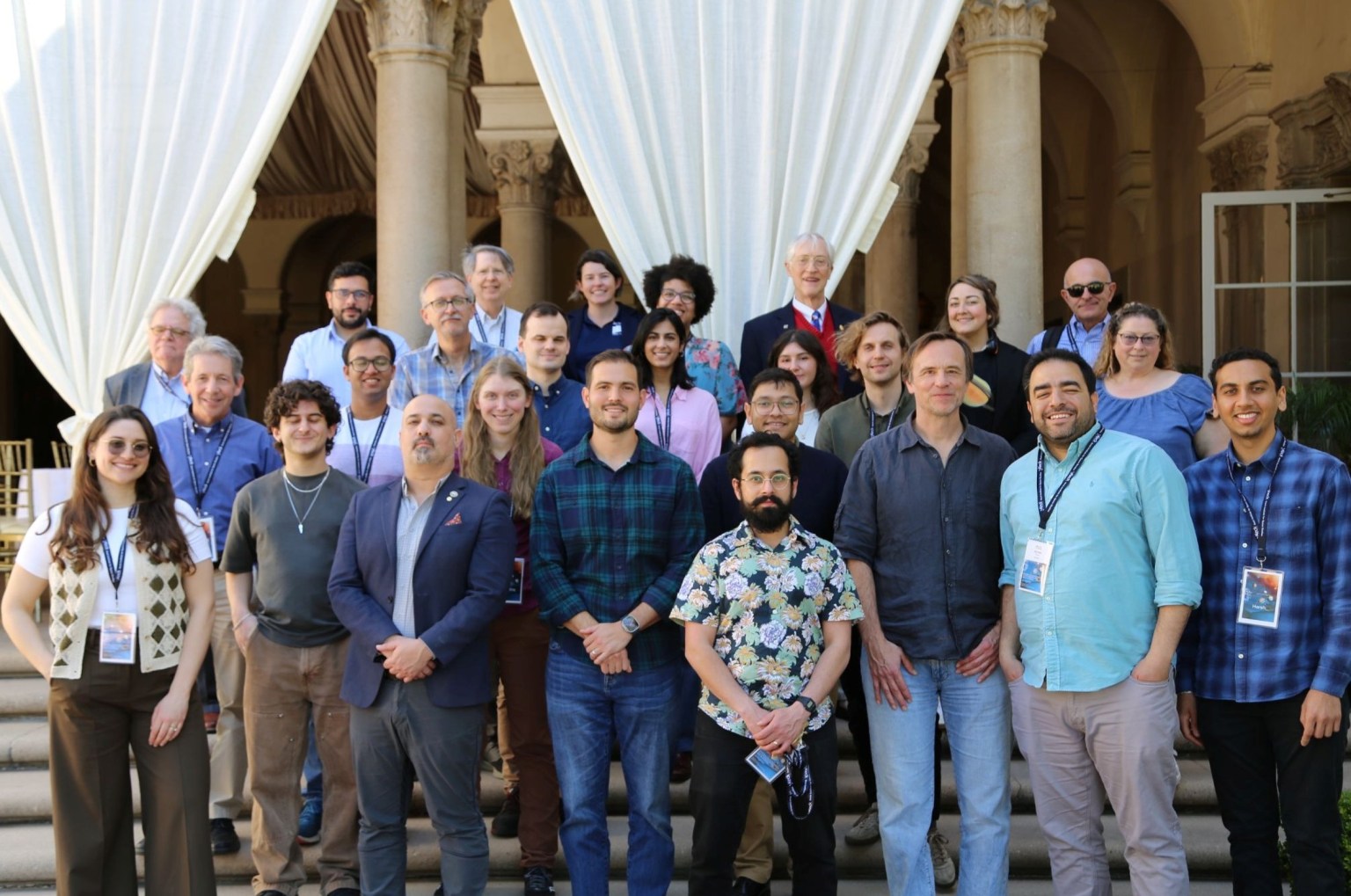
A workshop held in March 2026 at the California Institute of Technology’s Keck Institute for Space Studies (KISS) focused on NASA’s Hybrid Observatory for Earth-like Exoplanets (HOEE) concept, a potential breakthrough in the search for habitable planets beyond our solar system.
The HOEE concept aims to overcome a fundamental challenge in exoplanet research: detecting the faint light reflected by Earth-like planets orbiting distant stars. This light is often overwhelmed by the intense glare of the host star, making direct imaging extremely tough. The proposed solution involves combining a starshade – an orbiting spacecraft designed to block starlight – with a large ground-based telescope.
According to NASA, the Exoplanet Science Institute (NExScI), operated by Caltech under contract with the agency, is central to the Exoplanet Exploration Program. NExScI provides critical tools and archives for the exoplanet community, and administers programs like the Sagan Fellowship Program and related workshops. The institute also supports the Large Binocular Telescope Interferometer and the administration of NASA Keck telescope time.
The NASA-Keck Partnership, specifically the NN-Explore Exoplanet Follow-up Observing Program (ExoFOP), utilizes the Keck Observatory in Hawaii. A call for proposals for NASA time at Keck Observatory for observing semester 2026B (August 1, 2026 to January 31, 2027) was opened on February 12, 2026, indicating ongoing efforts to utilize existing infrastructure for exoplanet research.
Currently, the NASA Exoplanet Archive, hosted by NExScI, lists 6,150 confirmed planets, including 762 confirmed by the Transiting Exoplanet Survey Satellite (TESS). The archive also contains data on 7,913 TESS project candidates and 1,043 multi-planet systems. The archive provides interactive tables, time series data, and analysis tools for researchers.
The 2026 Sagan Summer Workshop, scheduled for July 20-24, 2026, will focus on exoplanets with Roman Space Telescope surveys, suggesting a growing emphasis on utilizing data from future missions. Registration for the workshop, along with the PROTO Workshop, opened on February 3, 2026.
Charles Beichman recently stepped down as Executive Director of NExScI after more than twenty years of service, a transition that may influence the institute’s future direction. The agency has not yet announced a replacement.