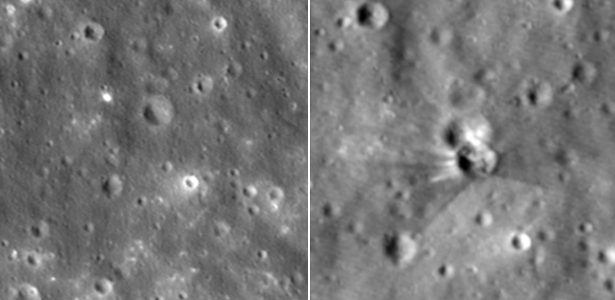
NASA Reveals Images of SpaceX Rocket Crater on Moon
According to the agency, the collision occurred on August 5, with the LRO mapping the site between August 11 and 12 to provide researchers with detailed data on the impact’s physical footprint.
### Dimensions and Site Characteristics
Measurements derived from the shadow cast by the crater indicate it measures 18 meters in width and is less than 3 meters deep. While this marks the first time NASA has released LRO imagery of this specific site, the South Korean space agency had previously documented the impact location on August 6. The LRO, which has been in operation since 2009, orbits the Moon from pole to pole every two hours. This trajectory allowed the orbiter to photograph the site under varying lighting conditions, revealing distinct surface alterations.
### Analysis of Lunar Surface Material
The impact ejected material from approximately 45 centimeters beneath the lunar surface, creating a visual contrast between the crater’s interior and its surrounding edges. NASA reports that the darker bands surrounding the crater consist of dust and surface rocks that have been weathered over time by solar wind, cosmic rays, and micrometeorite impacts. In contrast, the lighter-toned material found along the crater’s rim is composed of soil and rock recently excavated from deeper layers of the lunar subsoil. These layers had remained shielded from surface-level weathering until the rocket stage struck the ground.
### Mission Context
The Falcon 9 upper stage involved in the collision was launched in January 2025. Its primary objective was to transport the Blue Ghost 1 module, developed by Firefly Aerospace, to the Moon. The mission successfully achieved a landing on the lunar surface before the spent rocket stage continued its trajectory and eventually impacted the Moon’s surface months later.