
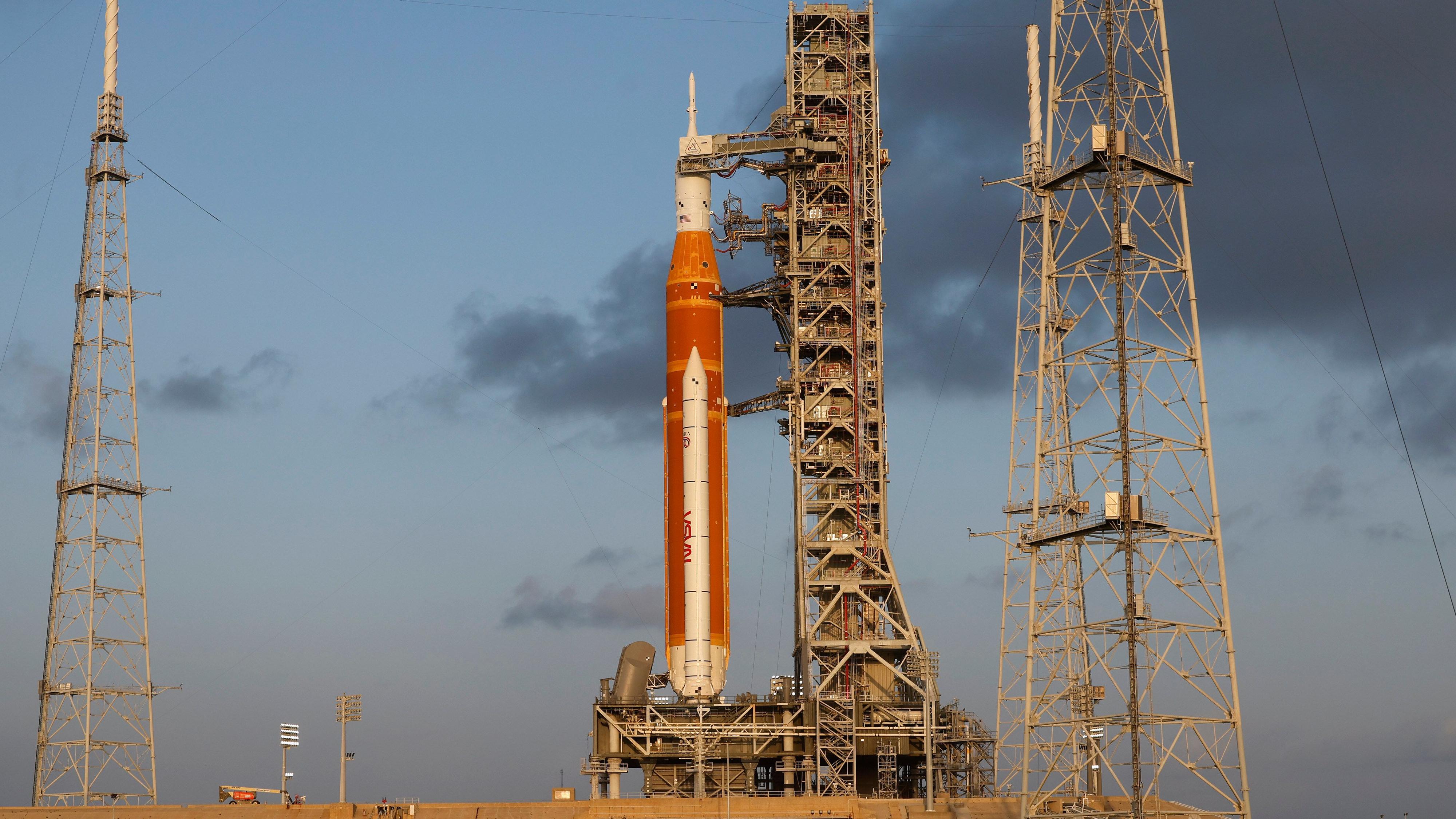
NASA Artemis II: Crew Ready for Historic Moon Mission Launch
The final countdown is underway for the Artemis II mission, with NASA confirming Wednesday as the target launch date for the first crewed flight around the Moon in more than 50 years. Agency officials announced late Monday that a flight readiness review had been completed, clearing the mission for liftoff, pending favorable weather conditions.
“This afternoon, we concluded the flight readiness review and the team has progressed toward a viable launch,” said Amit Kshatriya, NASA’s associate administrator, during a press conference at the Kennedy Space Center in Florida. The review encompassed all critical systems, including the spacecraft, rocket stages, ground systems, and launch operations timeline.
“More than 50 years ago, humanity left the Moon and did not return. Now we are going back,” Kshatriya stated, emphasizing the collaborative effort involving engineers, technicians, and industries from allied nations. He highlighted the significance of sending a crew further into space than anyone has traveled before.
The four-member crew – NASA astronauts Reid Wiseman, Victor Glover, and Christina Koch, along with Canadian Space Agency astronaut Jeremy Hansen – will have an opportunity to spend time with their families Monday night, according to NASA. The mission is slated to last approximately 10 days, orbiting the Moon and testing Orion spacecraft’s life support systems with a human crew, paving the way for future Artemis missions.
NASA retains the flexibility to postpone or reschedule the launch if conditions do not meet stringent safety standards. Contingency procedures are in place to abort the mission or adjust the trajectory should any issues arise during launch or the lunar flyby. The agency has also designed the crew’s spacesuits to support prolonged use in survival scenarios.
Launch Director Charlie Blackwell-Thompson noted that while the countdown is often associated with the final minutes before liftoff, for NASA, it began much earlier with the final preparations of critical systems. “The countdown clock continues to tick, and we are just two days from our launch target,” she said. Key milestones, including a wet dress rehearsal, rocket rollback, vertical reconfiguration, and return to the launch pad, have been completed.
A minor issue involving the ignition of a liquid hydrogen pilot light was identified during testing and has since been resolved. Several changes have also been implemented to the communication system, with officials reporting that all identified communication issues have been corrected. Despite these fixes, the team acknowledges the possibility of unforeseen failures and has established contingency procedures for rapid recovery.
Looking ahead, NASA plans to test lunar lander modules through uncrewed flights in preparation for future crewed missions to the lunar surface. These tests will verify the functionality of critical systems, including life support, propulsion, and landing mechanisms, approximately one year before crewed landings, allowing for the identification and correction of any potential problems.