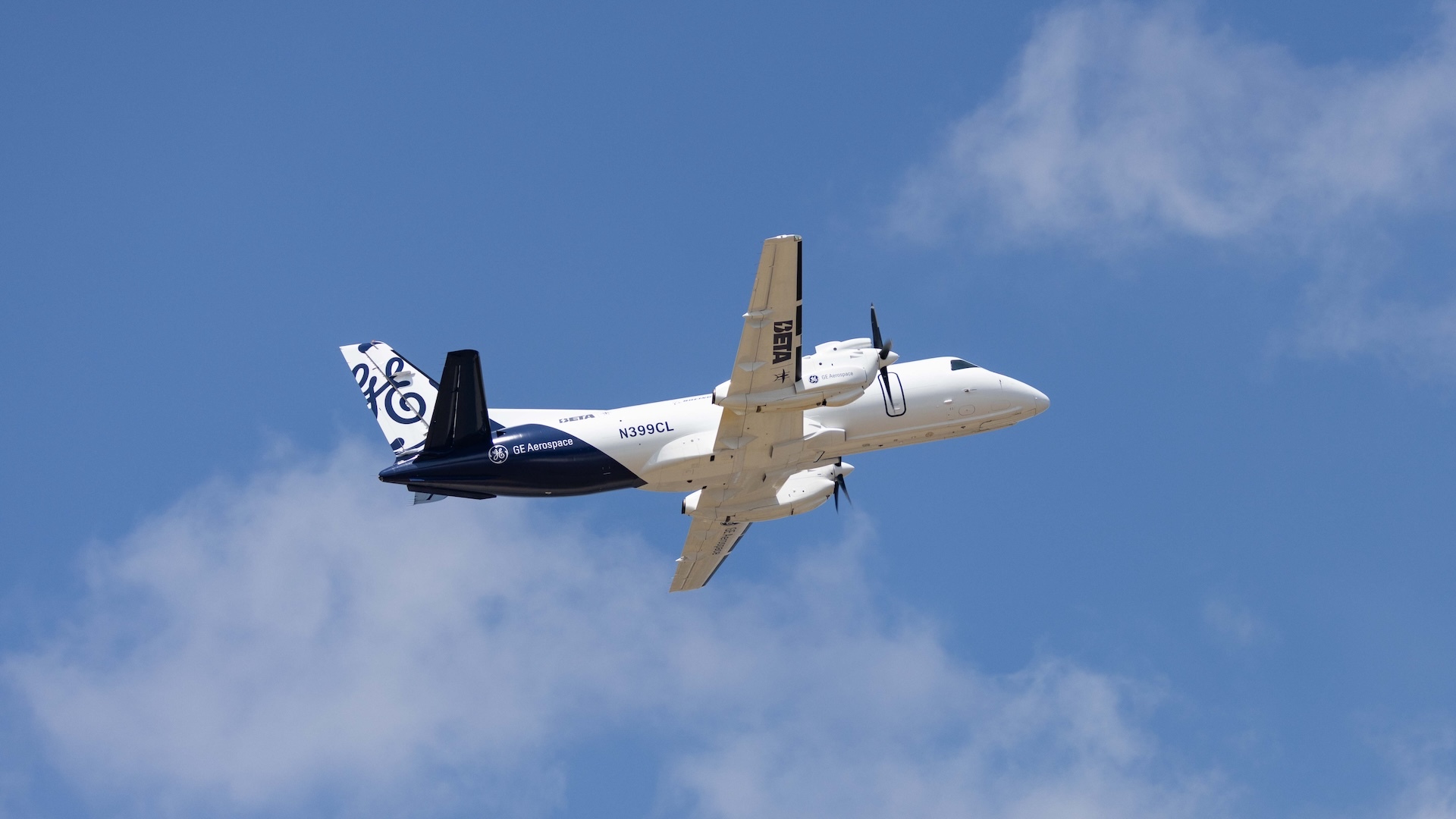
NASA and GE Aerospace Collaborate on Historic Hybrid Electric Aircraft Flight
NASA and GE Aerospace have successfully demonstrated a megawatt-class hybrid-electric propulsion system for aircraft, marking a technical milestone in aviation decarbonization. The flight test, conducted at NASA’s Armstrong Flight Research Center, validates the integration of high-voltage power electronics with traditional turbine engines, signaling a shift toward more efficient, lower-emission commercial flight architectures.
Technical Integration and the Megawatt Milestone
The propulsion system tested by GE Aerospace and NASA centers on a megawatt-class hybrid-electric powertrain. According to official GE Aerospace disclosures, the project aimed to solve the thermal management and power density challenges inherent in high-voltage flight systems. Unlike smaller-scale electric motors, this system handles the electrical loads required for larger, regional-class aircraft.
The collaborative effort utilized a modified Saab 340B aircraft, serving as the flying testbed for the Hybrid Electric Integrated Systems Technology (HEIST) program. Engineers focused on how the battery-electric and turbine components interact during high-altitude operations, specifically measuring power distribution efficiency. This is a critical move toward meeting the aviation industry’s net-zero carbon goals by 2050, a target outlined in the International Civil Aviation Organization (ICAO) environmental report.
Fiscal Implications for Aerospace OEM Supply Chains
Transitioning to hybrid-electric propulsion is not merely an engineering challenge; it is a capital-intensive shift that alters the aerospace supply chain. As manufacturers like GE Aerospace integrate power electronics into traditional engine production, the demand for specialized components—such as high-density battery packs and silicon carbide power converters—is surging. Companies currently navigating these supply chain shifts often require specialized supply chain logistics consulting to manage the transition from legacy manufacturing to high-tech electrification.
The financial impact of such R&D is reflected in the capital expenditure (CapEx) profiles of major aerospace firms. According to the GE Aerospace Investor Relations portal, R&D spending remains a primary lever for sustaining long-term competitive moats. For smaller aerospace vendors and tiered suppliers, the pressure to pivot toward these electrification standards is immediate. Firms failing to align their production capabilities with these new standards face the risk of obsolescence in future request-for-proposal (RFP) cycles.
“The successful flight test of our megawatt-class hybrid electric propulsion system is a testament to the power of public-private partnership. We are proving that hybrid electric technology is not just feasible, but ready to be matured for future commercial applications.”
— Arjan Hegeman, General Manager of Technology and Engineering for GE Aerospace
Managing the Regulatory and Legal Pivot
Technological advancement in aviation flight paths is inherently tethered to certification. The integration of hybrid-electric systems requires a complete overhaul of existing airworthiness standards. As these propulsion systems move closer to commercial viability, aerospace companies are increasingly reliant on corporate aerospace legal counsel to navigate the complex regulatory frameworks set by the FAA and EASA.
Intellectual property protection remains another high-stakes area. As NASA and GE share data from the HEIST program, the legal structures surrounding collaborative research and development agreements (CRADAs) become the foundation for future commercial exclusivity. Investors watching the aerospace sector should monitor how these firms allocate their intellectual capital, as the ability to patent key power-management software will likely determine future licensing revenue streams.
Market Trajectory and Future Scalability
The path from a single test flight to a commercial fleet is measured in decades, yet the fiscal markers are moving now. Investors are tracking how these hybrid systems impact fuel burn rates and maintenance cycles—two variables that directly influence the EBITDA margins of commercial airlines. If hybrid-electric engines can deliver a 10% to 15% reduction in fuel consumption, the barrier to entry for wide-scale adoption will lower significantly, provided the initial acquisition costs are offset by long-term operational savings.

Market volatility in the energy sector continues to incentivize this shift. As volatility impacts jet fuel prices, the value proposition for hybrid-electric systems strengthens. For organizations looking to capitalize on this shift, engaging with aerospace market intelligence firms is essential to identifying which tier-two suppliers are best positioned to capture the growth in electrification hardware. The sector is moving toward a decentralized power model, and the firms that secure their place in the new electrical supply chain today will likely define the market leaders of the 2030s.