Nabil Naeem Apologizes for Sadat Assassination After 45 Years
A Former Militant Leader’s Reversal
Forty-five years after the assassination of Egyptian President Anwar Sadat, Nabil Naeem has issued a formal apology for the killing.
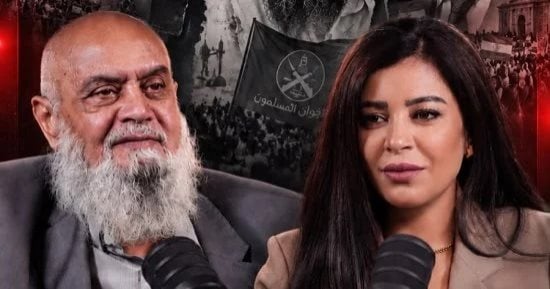
During an episode of the “Hakai” podcast hosted by Amal El-Hinawy, the former leader of the Jihad Organization and defendant in the major Jihad trial stated that the group was wrong to assassinate the late leader. He described him as a figure ahead of his time.
Regret Over the Assassination
The apology marks a notable public shift for Naeem. He spent decades tied to militant underground movements before undergoing extensive ideological reviews.

Naeem told the program that his perspective on the assassination has completely changed over the decades. He explicitly stated that he regrets the killing of the former president and recognizes that Sadat’s vision surpassed the political constraints of that era.
Inside Al-Qaeda and Militant Networks
During the podcast appearance, Naeem expanded on his assessment of other prominent militant figures. He claimed that Ayman al-Zawahiri, the prominent leader of the Jihad Organization and al-Qaeda, would likewise offer a formal apology to the late president’s family and the Egyptian public if he were alive today.
Naeem used the platform to detail his long journey inside militant networks. He shared personal accounts of his interactions with figures such as Osama bin Laden and outlined his present stance on the radical ideologies of his past.
Attacks on the Muslim Brotherhood and Media Figures
The conversation also turned toward other contemporary political and media figures. Naeem offered sharp criticism of the Muslim Brotherhood, characterizing the organization as the “biggest lying group” and sharing his own historical perspective regarding the group’s involvement during the 1948 conflict in Palestine.
He also targeted Ayman Nour and several media personalities based outside Egypt—specifically naming Mohamed Nasser, Moataz Matr, and Osama Gaweesh—dismissing them as opportunistic.
The Long Shadow of the Sadat Era
The revelations on the “Hakai” podcast highlight the complex, evolving narratives of figures who shaped Egypt’s turbulent political history during the late 20th century.
The ongoing reflections from figures central to the 1981 conspiracy provide a rare window into the internal dynamics of underground factions from that era.