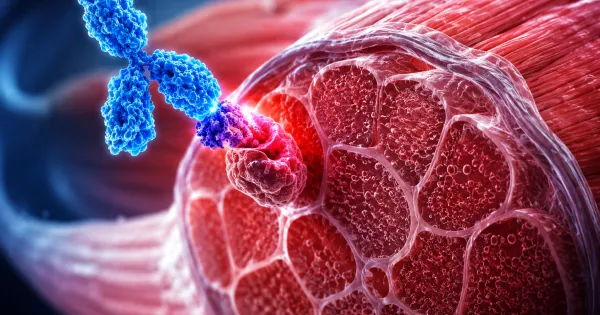
Myostatin Muscle Growth Inhibitor Nears Milestone After 30 Years
Myostatin, the protein responsible for regulating muscle growth by acting as a biological “brake,” is currently the target of a long-awaited therapeutic breakthrough. After three decades of research, the first class of myostatin inhibitors is approaching clinical viability, offering potential treatments for muscle-wasting conditions, including sarcopenia and muscular dystrophy. This development represents a significant shift in regenerative medicine as researchers move toward final-stage regulatory reviews.
Key Clinical Takeaways:
- Myostatin functions as a negative regulator of skeletal muscle mass; inhibiting this protein allows for significant muscle hypertrophy.
- Clinical development is transitioning toward late-phase trials, marking the first time in 30 years that an inhibitor has reached this level of maturity.
- Potential therapeutic applications target chronic conditions such as sarcopenia, cachexia, and Duchenne muscular dystrophy, where muscle preservation is essential for patient morbidity outcomes.
Biological Mechanisms and the Pathogenesis of Muscle Loss
The protein myostatin, a member of the transforming growth factor-beta (TGF-β) superfamily, exerts its effect by binding to the activin receptor type IIB (ActRIIB). This binding initiates a signaling cascade that inhibits myogenesis and protein synthesis. Research published in PubMed confirms that suppressing this pathway can increase muscle mass and potentially improve metabolic health. The clinical challenge has historically been the specificity of the inhibitor; early attempts often resulted in off-target effects due to the broad nature of the TGF-β receptor family.
Current pharmaceutical efforts, funded primarily by major biotechnology firms such as Eli Lilly and Scholar Rock, have refined monoclonal antibody approaches to achieve greater selectivity. By focusing exclusively on myostatin rather than broader activin receptors, these new candidates aim to minimize adverse effects while maximizing anabolic potential. For patients dealing with neuromuscular decline, identifying the correct clinical intervention is critical. It is highly recommended to consult with board-certified neuromuscular specialists to evaluate whether emerging therapies align with current diagnostic standards.
Clinical Trial Progression and Regulatory Milestones
The shift from Phase II to Phase III trials marks a movement toward establishing efficacy in larger, diverse patient cohorts. According to data provided by the U.S. National Library of Medicine, the current generation of inhibitors has demonstrated a favorable safety profile in initial human trials. These trials are designed as double-blind, placebo-controlled studies to ensure rigorous data collection regarding both muscle mass increase and functional physical improvement.
“The challenge for the next three years is not just demonstrating hypertrophy, but proving that increased mass translates into tangible gains in functional mobility for the elderly and those with genetic muscle diseases,” notes Dr. Elena Rossi, a clinical researcher specializing in protein signaling pathways. The integration of these treatments into the standard of care will require comprehensive monitoring of cardiovascular and metabolic parameters, given the systemic nature of muscle metabolism.
Infrastructure and Healthcare Delivery
As these therapies approach potential FDA and EMA approval, healthcare systems must prepare for the logistical requirements of administering biologic treatments. This includes the implementation of specialized diagnostic screening to identify patients most likely to respond to myostatin inhibition. For healthcare providers, the transition necessitates an audit of current infusion capabilities and patient management protocols. Many institutions are already engaging healthcare compliance attorneys and clinical operations consultants to ensure that their facilities meet the regulatory standards required for the administration of novel biologic agents.
The economic impact of sarcopenia—the age-related loss of muscle mass—is substantial, contributing to increased healthcare utilization and loss of independence. The introduction of a pharmacological intervention that can mitigate this loss could fundamentally alter the trajectory of geriatric medicine. However, the path to clinical integration remains contingent on the results of the ongoing Phase III trials, which will determine the final risk-benefit ratio for the general population.
Future Trajectory in Regenerative Medicine
The next decade of research will likely explore the synergy between myostatin inhibition and physical rehabilitation. While pharmacological intervention can stimulate muscle growth, the functional integration of that tissue requires concurrent physiological stimulus. Experts anticipate that the most successful outcomes will stem from a dual approach: high-precision pharmacological modulation combined with structured physical therapy protocols. Patients interested in staying informed about these developments should prioritize ongoing discussions with vetted endocrinologists and physical medicine experts who can interpret evolving clinical trial data as it is published in peer-reviewed journals.
Disclaimer: The information provided in this article is for educational and scientific communication purposes only and does not constitute medical advice. Always consult with a qualified healthcare provider regarding any medical condition, diagnosis, or treatment plan.