
Fetal Heart Function assessment Shows Promise in Predicting Complications of Restricted Growth
London, UK – A new systematic review and meta-analysis published in BMC Pregnancy and Childbirth reveals that myocardial performance index (MPI), a non-invasive measure of fetal heart function, demonstrates consistent results across multiple studies evaluating pregnancies complicated by small-for-gestational age (SGA).The findings suggest MPI could be a valuable tool for identifying fetuses at higher risk of adverse outcomes.
The research, synthesizing data from numerous investigations, focuses on the potential of MPI to assess cardiac performance in SGA fetuses – those whose growth is below the 10th percentile for gestational age. SGA pregnancies carry increased risks of stillbirth, neonatal morbidity, and long-term health problems. Currently, monitoring relies heavily on ultrasound measurements of growth and Doppler studies of blood flow, but these methods aren’t always accurate predictors of fetal well-being. MPI offers a complementary assessment,evaluating both systolic and diastolic function of the heart,potentially providing a more comprehensive picture of fetal cardiac health.
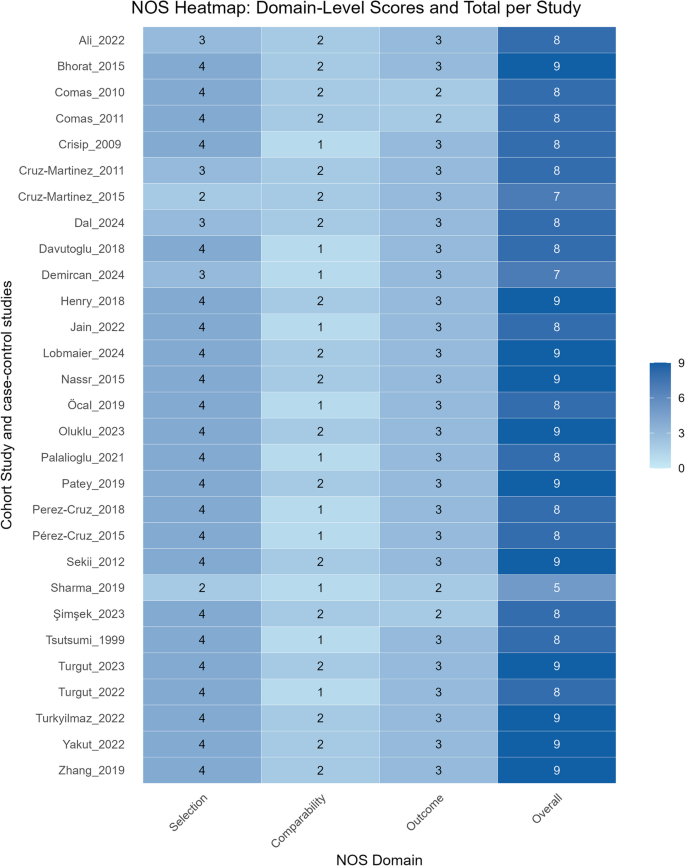
Researchers analyzed data from studies comparing MPI values in SGA fetuses to those with normal growth. The analysis confirmed that fetuses with SGA consistently exhibited elevated MPI values, indicating impaired cardiac function. Specifically, studies referenced include work by Kaya et al.(2019) [DOI: 10.1002/jcu.23804], Oluklu et al. (2023) [DOI: 10.1002/ijgo.14602], and Palalioglu et al. (2021) [DOI: 10.5603/GP.a2020.0175]. Importantly, the researchers found that excluding individual studies from the analysis did not considerably alter the overall results, reinforcing the robustness of the findings (detailed in Supplementary Table S10).
This research underscores the need for further investigation into the clinical application of MPI in managing SGA pregnancies.While not a replacement for existing monitoring techniques, MPI could potentially refine risk stratification and guide decisions regarding timing of delivery, ultimately improving outcomes for both mother and child.
