Mycophenolate Mofetil vs. Methotrexate for GVHD Prevention in Allo-HCT
Allogeneic hematopoietic stem cell transplantation stands as a critical therapeutic avenue for patients battling hematologic diseases. Yet, acute and chronic graft-versus-host disease continue to present formidable clinical hurdles. For decades, intravenous methotrexate paired with calcineurin inhibitors—such as cyclosporine or tacrolimus—has served as the standard preventative approach. Despite its widespread use, this regimen carries notable adverse events.
The Search for Safer Stem Cell Transplant Prophylaxis
To refine these protocols, medical teams continue to evaluate alternative agents. Clinical data analyzed by researchers including Satoshi Takahashi of the University of Tsukuba Hospital and Mamiko Sakata-Yanagimoto offer a closer look at how these modern regimens stack up against traditional alternatives.
Weighing Mycophenolate Mofetil Against Methotrexate
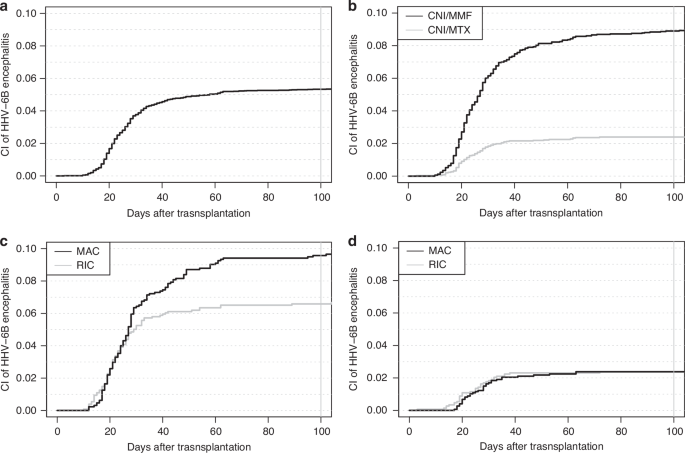
Researchers turned to randomized controlled trials to better understand therapeutic alternatives, directly comparing mycophenolate mofetil against methotrexate regimens. Evidence drawn from these comparative studies involves 174 analyzed participants.
Crucially, the data demonstrated no significant outcome differences based on that specific inhibitor choice. Across the broader evaluated outcomes, results showed no statistically significant divergence between mycophenolate mofetil and methotrexate regarding the direct incidence of acute graft-versus-host disease, overall survival, median days to neutrophil engraftment, or relapse incidence.
Platelet Recovery Metrics and Secondary Objectives
Analyzing secondary objectives provides a sharper picture of patient recovery metrics following transplantation. Low-quality evidence indicates that mycophenolate mofetil, when compared with methotrexate, significantly improved the platelet engraftment period, yielding a hazard ratio of 0.87.
Conversely, other key recovery indicators remained steady. Non-relapse mortality and the incidence of chronic graft-versus-host disease held comparable between the two prophylactic protocols.
Institutional Support and Specialized Care Protocols
Managing intricate hematological care protocols and mitigating long-term systemic complications requires specialized institutional support.
Refining Conditioning and Safety Monitoring Frameworks
Medical researchers continue to refine conditioning and prophylaxis frameworks.
As clinical trials progress, institutional adherence to standardized safety monitoring protocols remains essential. These measures are vital for accurately interpreting longitudinal survival data across diverse patient cohorts.