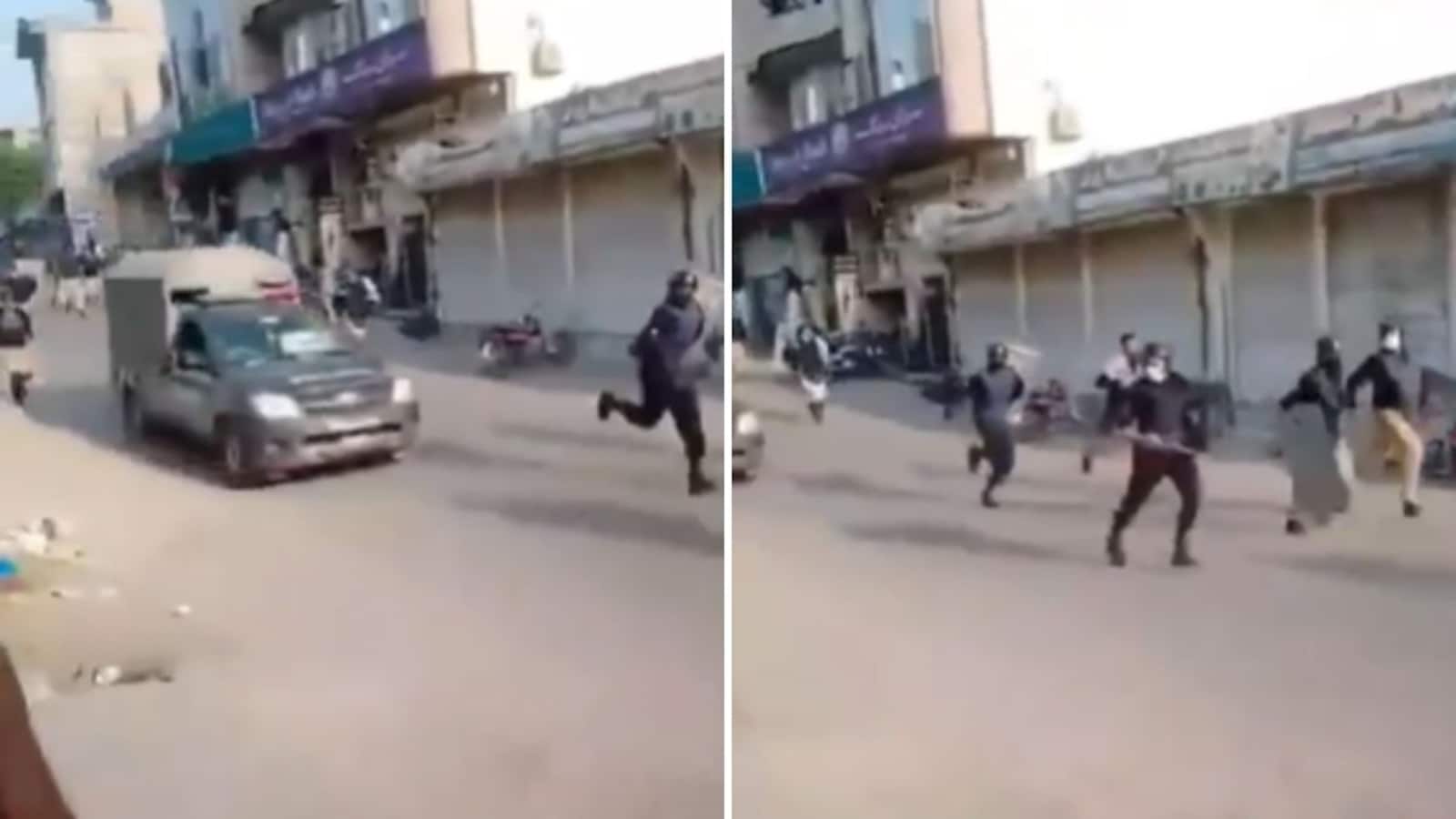
Muzaffarabad Shops Close Amid JAAC Strike and Internet Outage
At least 20 people have died in protests across Pakistan-occupied Kashmir (PoK) as of June 12, 2026, according to the Independent Kashmir Monitoring Group, with violence escalating in Muzaffarabad and surrounding areas. The death toll marks a sharp rise from earlier reports, as local authorities impose internet shutdowns and business strikes intensify.
Why the surge in violence? A breakdown of recent escalation
The spike in fatalities follows weeks of unrest fueled by demands for greater autonomy and dissatisfaction with Islamabad’s governance. On June 10, clashes between protesters and security forces in Muzaffarabad left at least 12 dead, according to the Kashmir Times. By June 12, the count had risen to 20, with local hospitals reporting a surge in trauma cases.
“The situation has deteriorated rapidly,” said Dr. Ayesha Khan, a Muzaffarabad hospital administrator. “We’re treating gunshot wounds, blunt-force trauma, and respiratory issues from tear gas. Supplies are running low, and staff are overworked.”
The Pakistan Telecommunication Authority (PTA) confirmed a nationwide mobile internet blackout in PoK on June 11, citing “security concerns.” Residents report disrupted communications, complicating emergency responses and information sharing. “Without internet, we can’t coordinate aid or report abuses,” said Imran Ali, a local journalist.
Historical context: Protests in PoK and their consequences
Protests in PoK, a region claimed by both India and Pakistan, have historically been marked by periodic violence. In 2016, a similar crackdown resulted in 17 deaths, while 2020 saw 14 fatalities during a land rights demonstration. Analysts note that the current unrest reflects broader frustrations over governance, economic stagnation, and limited political representation.
“This isn’t just about immediate grievances,” said Dr. Raza Hussain, a political scientist at Lahore University. “It’s a culmination of decades of marginalization. The Pakistani government’s approach has been to suppress dissent rather than address root causes.”
Local businesses have also been affected. The Muzaffarabad Chamber of Commerce reported that 70% of shops in the city center closed on June 11, following calls from the Jammu and Kashmir Awami Action Committee (JAAC) to strike. “We’re losing income, but we can’t ignore the suffering of our people,” said shopkeeper Farooq Mir.
Legal and humanitarian implications
Human rights organizations have condemned the internet shutdowns and alleged excessive use of force by security personnel. Amnesty International released a statement on June 12, urging Pakistan to “immediately restore communications and investigate allegations of extrajudicial killings.”
Legal experts warn of potential international scrutiny. “These actions risk violating international humanitarian law,” said Fatima Shah, a Lahore-based human rights lawyer. “Pakistan has a duty to protect civilians, not escalate violence.”
The UN Office for the Coordination of Humanitarian Affairs (OCHA) has yet to issue a formal statement, but regional allies are monitoring the situation. India’s Ministry of External Affairs called for “transparent investigations into civilian casualties,” while China’s embassy in Islamabad reiterated support for Pakistan’s “sovereignty and territorial integrity.”
How local communities are responding
In Muzaffarabad, residents have formed grassroots committees to document abuses and provide aid. The Kashmir Relief Foundation, a local NGO, has set up temporary clinics and distributed food supplies. “We’re not waiting for the government to act,” said committee member Samina Begum. “Our priority is saving lives.”
International aid groups are also assessing the situation. The International Federation of Red Cross and Red Crescent Societies (IFRC) has deployed a team to evaluate needs, though access remains restricted. “We’re advocating for unimpeded humanitarian access,” said IFRC spokesperson Luis Mendes.
Meanwhile, the JAAC has called for a nationwide strike on June 15, demanding the release of detained protesters and reforms to PoK’s governance structure. “Our struggle is for dignity, not just survival,” said JAAC leader Tariq Qureshi in a June 11 statement.
What’s next for PoK? A look at potential outcomes
The immediate focus remains on de-escalation and humanitarian aid. However, analysts caution that without political reforms, violence risks recurring. “The current measures are temporary fixes,” said Dr. Hussain. “A sustainable solution requires dialogue, not repression.”
For businesses and residents, the economic fallout is severe. The Muzaffarabad Chamber of Commerce estimates that the strike could cost the local economy $2 million in lost revenue. “We need support to rebuild,” said Farooq Mir. “But first, the violence must stop.”
As the situation evolves, the role of international mediators and regional actors will be critical. The Organization of Islamic Cooperation (OIC) has called for “calm and restraint,” while the European Union has urged Pakistan to “uphold its obligations under international law.”
Connecting the crisis to actionable solutions
The violence in PoK underscores the need for robust legal, humanitarian, and civic resources. For residents seeking redress, international human rights lawyers specializing in conflict zones can provide guidance on filing complaints with the UN or regional courts. Emergency aid organizations are also mobilizing, offering medical and shelter support to affected families.
Businesses impacted by the strike may benefit from economic resilience consultants who specialize in crisis recovery. Meanwhile, local leaders are urging community groups to leverage grassroots advocacy platforms to push for policy changes.
As the death toll climbs, the call for accountability grows louder. “This isn’t just a local issue,” said Dr. Khan. “It’s a