Music Artists Coalition and Human Consent Foundation Join AI Brief
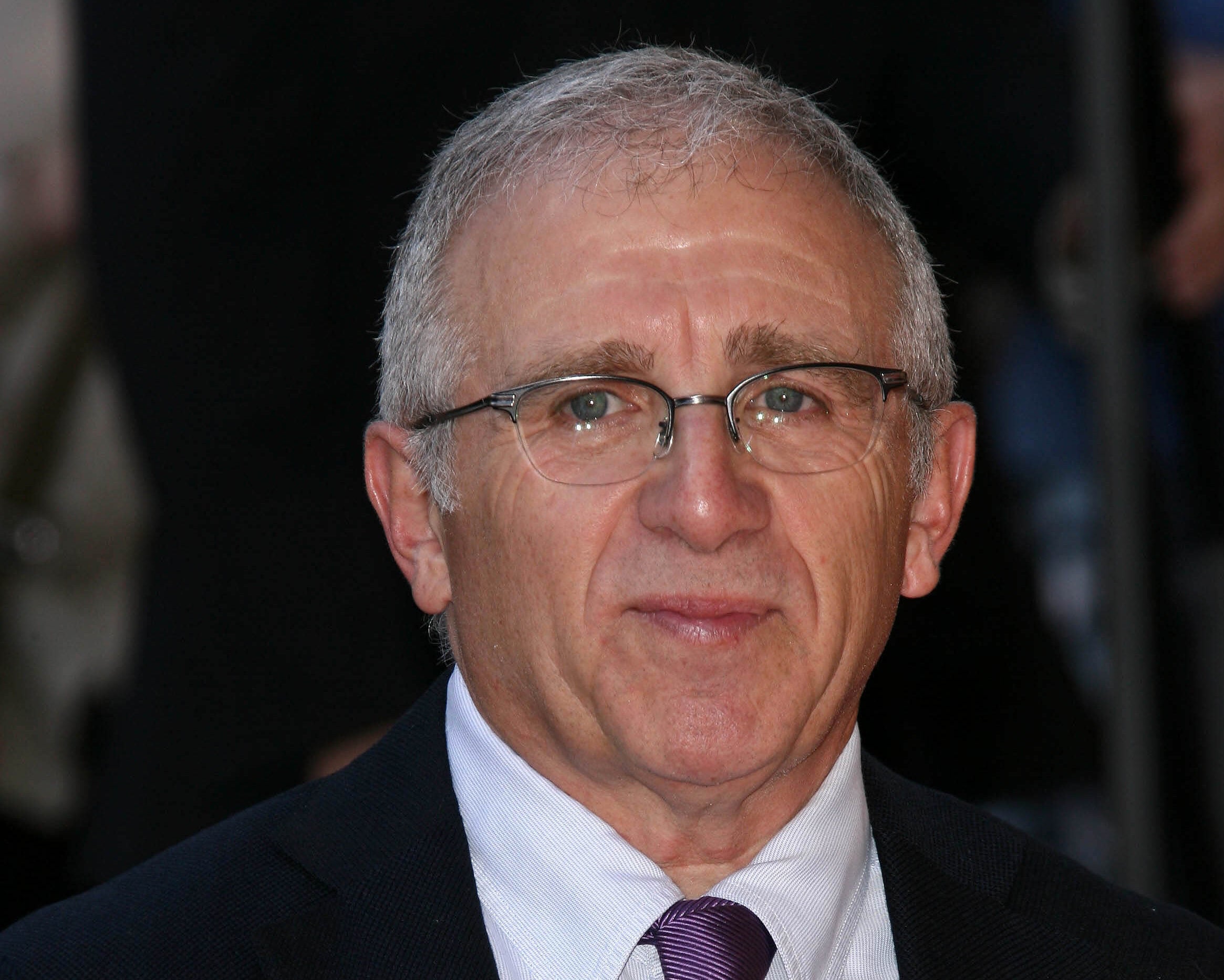
Irving Azoff’s Music Artists Coalition has joined a court filing in New York opposing OpenAI and Microsoft, signing on alongside actor Cate Blanchett’s Human Consent Foundation and talent agency CAA to argue that creative works can be successfully licensed for artificial intelligence training at scale, musicbusinessworldwide.com reported.
The Legal Battle Ground in New York Federal Court
The October 30, 2026 filing entered a consolidated New York federal court case combining lawsuits brought by The New York Times and various book authors against OpenAI and Microsoft. Both the tech companies and the plaintiffs asked U.S. District Judge Sidney Stein to settle the central question without a trial: whether training large language models on copyrighted works without permission qualifies as fair use. Microsoft argued that training general-purpose models on copyrighted material constitutes fair use as a matter of law.
While the new coalition’s brief takes no official stance on the ultimate disposition of the summary judgment motions, it challenges the defense claim that rights for AI training cannot practically be identified, cleared, and licensed. The filing points to established collective licensing frameworks like CISAC and BMI to demonstrate that creative industries maintain functional workflows for clearing rights across dispersed works.

Dueling Briefs from the Music Industry
The same day the Human Consent Foundation filing was submitted, the Recording Industry Association of America, the National Music Publishers’ Association, ASCAP, BMI, and five other music organizations filed a separate proposed brief formally backing the plaintiffs. These music groups asked Judge Stein to rule that training AI models on copyrighted sound recordings and musical compositions is not fair use. Their filing stated that AI companies copy millions of recordings without authorization to generate synthetic substitutes that flood streaming platforms and displace human artists.
The RIAA-led brief rejected the argument that licensing music and text for AI training is too sporadic to establish a reasonable licensing market, pointing to existing AI licensing deals struck by major labels with platforms like Udio and KLAY. Additional filings in the docket included a joint brief from the American Federation of Musicians, SAG-AFTRA, and both branches of the Writers Guild of America urging the court to reject a categorical fair use exemption.
Human Consent Foundation Creates Machine-Readable AI Standards
The Human Consent Foundation filing highlights a machine-readable standard created by the nonprofit that lets creators and rightsholders declare how AI systems may use their work and likeness. Signatories to the foundation’s brief include filmmaker Steven Soderbergh, 311 frontman Nick Hexum, the National Association of Voice Actors, enterprise AI company Writer, and the Creators Coalition on Artificial Intelligence.
Judge Stein has not yet ruled on the requests or the summary judgment motions from either side.
Disclaimer: The views and cultural analyses presented in this article are for informational and entertainment purposes only. Information regarding legal disputes or financial data is based on available public records.