
Museum of Food: Preserving Singapore’s Culinary Heritage & Recipes
A Taste of Nostalgia: Singapore’s Museum of Food Opens its Doors
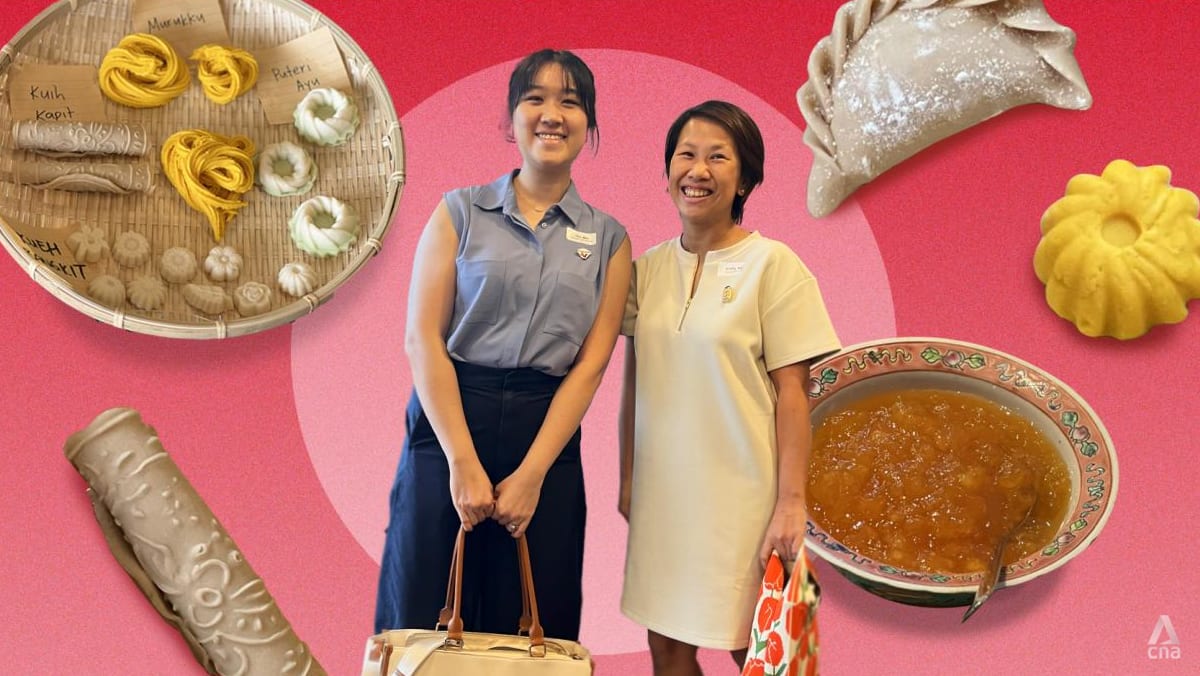
Emily Yeo and Yeo Min, authors and culinary enthusiasts, have launched the Museum of Food Singapore, a non-profit dedicated to preserving and educating the public about Singapore’s culinary heritage. Opening in mid-April at 102 Joo Chiat Road, the museum aims to reconnect Singaporeans with traditional dishes and the stories behind them, operating on an appointment-only basis. This initiative addresses a growing concern about the loss of culinary knowledge and practices in a rapidly modernizing society.
The Generational Gap in Culinary Knowledge
The impetus for the Museum of Food stemmed from a shared observation: a disconnect between Singaporeans’ ability to enjoy global cuisine and their understanding of local culinary traditions. As Yeo Min explained, many can expertly order chutoro and otoro, but struggle to identify a common fish like ikan parang at a wet market. This gap, highlighted in conversations with CNALuxury, underscores a broader issue of fading culinary literacy. Emily Yeo further noted the irony of Singaporeans readily embracing international recipes whereas lacking familiarity with foundational local dishes like ang ku kueh.
From Workshops to a Permanent Space
The journey began with independent cooking workshops hosted by Yeo and Min, both established authors in the heritage food space. Emily Yeo’s “The Little Book Of Singapore Food Illustrated” and Yeo Min’s “Chinese Pastry School” provided a foundation for their collaborative efforts. Encouraged by the positive response to their joint heritage recipe workshops, they formally established the Museum of Food as a non-profit in 2024. Initially operating as a mobile museum, they hosted pop-up events, including a two-month residency at Baker X in Orchard Central, showcasing their growing collection of artifacts and offering hands-on workshops. This initial success fueled their ambition to secure a permanent location.
A Collection Rooted in History
The museum’s collection, currently numbering around 100 items, offers a tangible link to Singapore’s culinary past. It includes essential tools like kueh moulds, murukku and putu mayam presses, an antique ice-shaving machine, a roti jala cup, and a cendol sieve. Their oldest artifact, the Singapore Municipality Gas Department Cookery Book from 1938, provides a fascinating glimpse into the culinary landscape of a bygone era. These aren’t simply relics. they are keys to understanding the techniques and traditions passed down through generations.
The Business of Heritage: Navigating IP and Brand Preservation
The Museum of Food’s endeavor highlights a growing trend: the commercialization of cultural heritage. As brands increasingly leverage nostalgia and authenticity, protecting intellectual property becomes paramount. The museum’s collection, and the recipes it represents, could be vulnerable to unauthorized reproduction or commercial exploitation. “When dealing with traditional recipes and culinary techniques, establishing clear ownership and usage rights is crucial,” notes entertainment attorney David Lee of Lee & Associates IP Law. “A robust IP strategy, including copyright registration and trademark protection, is essential for safeguarding the museum’s brand and preventing infringement.” The museum’s non-profit status adds another layer of complexity, requiring careful adherence to regulations governing charitable organizations and the use of donated artifacts.
Beyond Preservation: Education and Sustainability
The Museum of Food’s mission extends beyond simply preserving the past. It aims to nurture the present and inspire the future of Singapore’s food culture. This includes exploring the sustainability of heritage foods and the food industry as a whole. The museum’s educational programs target a wide range of age groups, fostering an appreciation for local ingredients, traditional cooking methods, and the cultural significance of food. This focus on education aligns with a broader movement towards culinary tourism and experiential learning, where consumers seek authentic and immersive food experiences.
The Rise of Culinary Tourism and Experiential Dining
Singapore’s vibrant food scene is already a major draw for tourists, and the Museum of Food is poised to capitalize on the growing demand for culinary tourism. According to the Singapore Tourism Board, food and beverage spending accounted for a significant portion of tourism receipts in 2025. The museum’s workshops and curated experiences offer a unique opportunity for visitors to engage with local culture in a meaningful way. This trend necessitates a sophisticated approach to event management and logistics, particularly as the museum expands its offerings. “Successfully executing these types of immersive experiences requires meticulous planning and coordination,” says Sarah Chen, founder of Chen Events Group. “From sourcing authentic ingredients to managing workshop logistics and ensuring a seamless visitor experience, attention to detail is paramount.”
The Future of Singapore’s Food Story
The Museum of Food represents more than just a collection of artifacts and recipes; it’s a testament to the power of food to connect generations and preserve cultural identity. As Singapore continues to evolve, institutions like this are vital for safeguarding its unique culinary heritage. The museum’s success hinges on its ability to adapt to changing consumer preferences, leverage digital technologies, and forge strategic partnerships with local businesses and organizations. The opening of the Joo Chiat Road location marks a significant milestone, but the museum’s journey is just beginning. The need for skilled professionals in areas like crisis PR, IP law, and event management will only grow as the museum expands its reach and influence. The World Today News Directory offers a curated list of vetted experts ready to support this vital cultural initiative.
“I feel like we need to be more proud of our food heritage, like our food heritage, and just, just sell it. Don’t be shy about it and just be proud of it like any other person.”
– Yeo Min, co-founder of the Museum of Food, as quoted in Nicholas Braman’s interview.
Disclaimer: The views and cultural analyses presented in this article are for informational and entertainment purposes only. Information regarding legal disputes or financial data is based on available public records.