
“`html
{
"@context": "https://schema.org",
"@type": "FAQPage",
"mainEntity":[{
"@type": "Question",
"name": "What is Aspergillus flavus?",
"acceptedAnswer": {
"@type": "Answer",
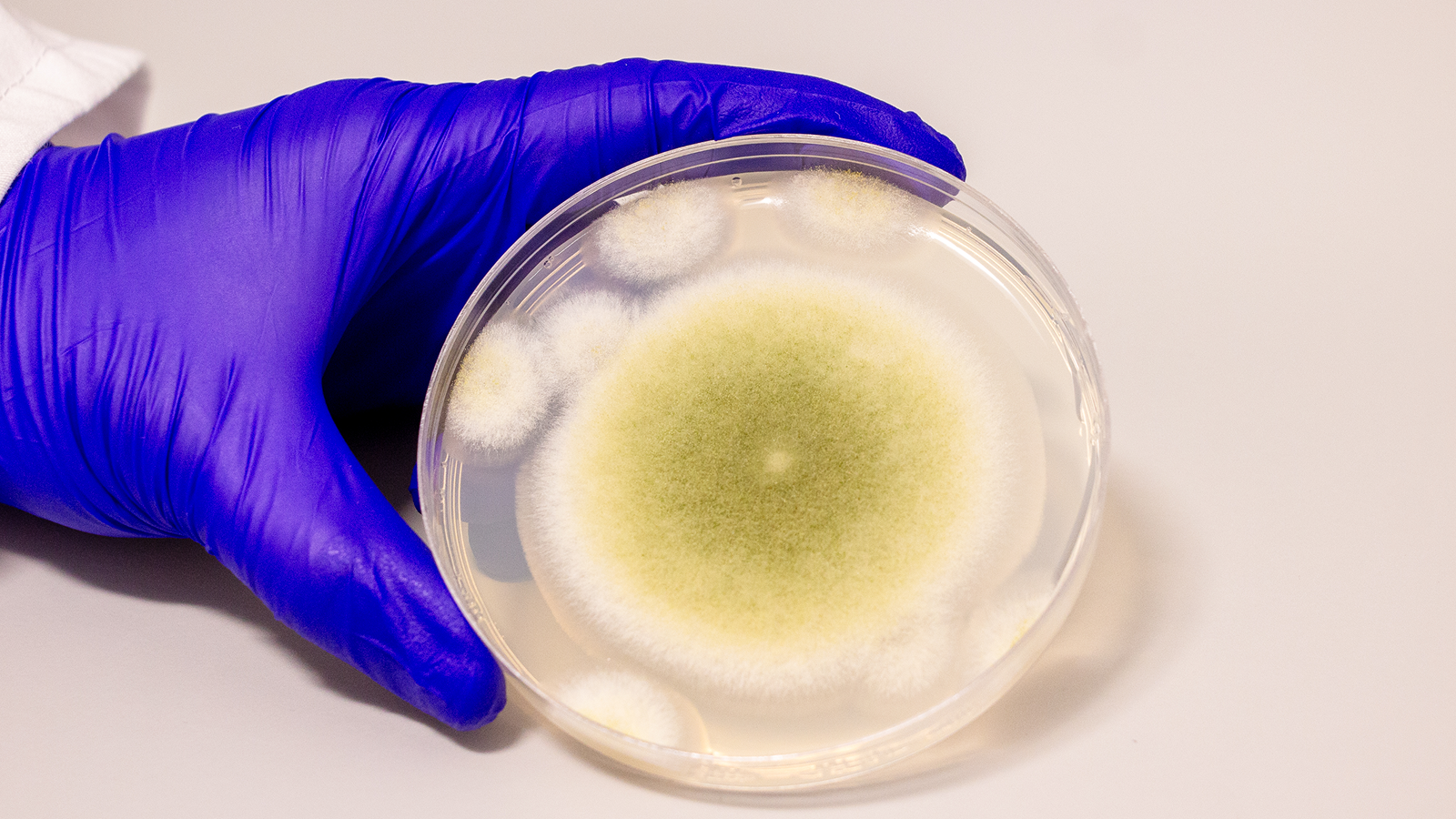
"text": "Aspergillus flavus is a fungus known to produce toxins that can cause deadly lung infections, notably in individuals with weakened immune systems. It was found in the tomb of King Casimir IV and linked to respiratory illnesses among archaeologists."
}
},
{
"@type": "Question",
"name": "how is Aspergillus flavus being used in cancer treatment?",
"acceptedAnswer": {
"@type": "answer",
"text": "Researchers have discovered that Aspergillus flavus produces compounds called asperigimycins, which have shown promise in killing leukemia cells in a laboratory setting. These compounds specifically disrupt leukemia cell division without harming healthy tissues."
}
},
{
"@type": "Question",
"name": "What are asperigimycins?",
"acceptedAnswer": {
"@type": "Answer",
"text": "Asperigimycins are a class of natural compounds, specifically RiPPs (ribosomally synthesized and post-translationally modified peptides), produced by Aspergillus flavus. They feature an unusual interlocking ring structure and demonstrate strong anti-leukemia properties."
}
},
{
"@type": "Question",
"name": "How do asperigimycins target leukemia cells?",
"acceptedAnswer": {
"@type": "Answer",
"text": "Asperigimycins target leukemia cells by disrupting their cell division. Researchers enhanced their effectiveness by attaching lipid molecules, similar to those in royal jelly, to help them cross cellular membranes more efficiently. A gene called SLC46A3 also aids in the drug's delivery to leukemia cells."
}
},
{
"@type": "Question",
"name": "What are the potential benefits of using asperigimycins over traditional chemotherapy?",
"acceptedAnswer": {
"@type": "Answer",
"text": "Unlike broad-spectrum chemotherapy agents that can damage healthy cells, asperigimycins appear to selectively target leukemia cells, minimizing harm to healthy tissues.Early tests suggest they have minimal effects on breast, liver, and lung cancer cells, reducing unwanted side effects."
}
},
{
"@type": "Question",
"name": "what are the next steps in developing this leukemia
