
Multiplex PCR Pneumonia Panel Performance in Hospitalized Patients With Lower Respiratory Tract Infection
The clock starts ticking the moment a patient enters the emergency department with severe respiratory distress. In the high-stakes environment of lower respiratory tract infections (LRTI), the difference between life and death often hinges on a single variable: time. For decades, the medical community relied on traditional sputum cultures to identify pathogens, a method plagued by days-long turnaround times that forced clinicians to prescribe broad-spectrum antibiotics blindly. A pivotal study published in Cureus, titled “Beyond the Petri Dish,” challenges this legacy approach, offering compelling evidence that Multiplex PCR-based pneumonia panels are not merely an alternative but a necessary evolution in critical care diagnostics.
Key Clinical Takeaways:
- Diagnostic Velocity: Multiplex PCR panels reduce pathogen identification time from 48-72 hours to under 5 hours, drastically shortening the window for empiric therapy.
- Pathogen Detection: Molecular panels demonstrate significantly higher sensitivity for atypical bacteria and viruses compared to standard culture methods, reducing false negatives.
- Stewardship Impact: Rapid identification allows for the immediate de-escalation of unnecessary antibiotics, directly combating antimicrobial resistance (AMR).
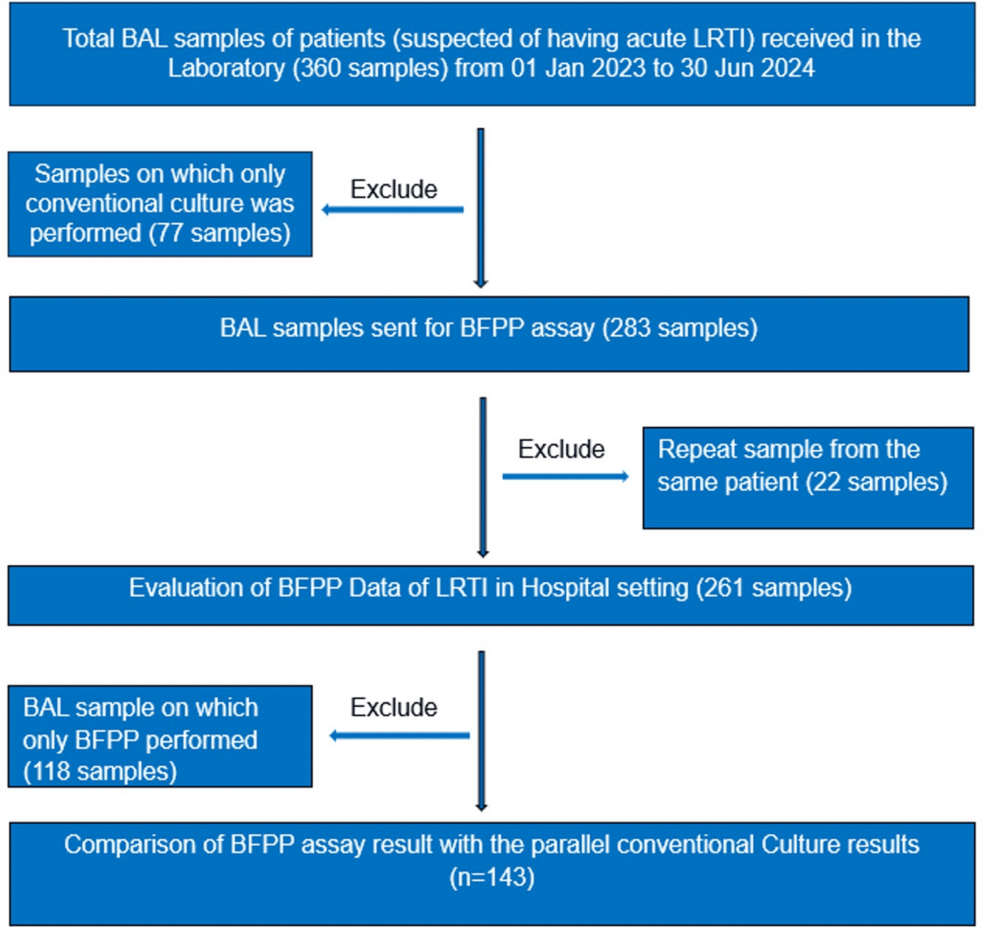
The clinical gap this research addresses is profound. When a patient presents with pneumonia, the standard of care has historically involved drawing blood and collecting sputum for culture. While specific, this process is slow. During the lag time, physicians must guess the causative agent, often leading to the overuse of broad-spectrum antimicrobials. This “shotgun approach” fuels the global crisis of antimicrobial resistance. The Cureus study, analyzing hospitalized patients with LRTI, provides the quantitative data needed to shift hospital protocols from reactive to proactive.
The Mechanism of Molecular Precision
The study evaluates the performance of a Multiplex PCR (Polymerase Chain Reaction) panel designed to detect a comprehensive array of respiratory pathogens simultaneously. Unlike culture, which requires the organism to grow in a petri dish, PCR amplifies specific genetic sequences of bacteria and viruses directly from the sample. This biological mechanism bypasses the viability constraints of traditional microbiology.
In the context of the 2026 clinical landscape, where hospital-acquired infections remain a top mortality driver, the data is clear. The research highlights that standard cultures frequently miss co-infections—situations where a patient suffers from both a viral and a bacterial infection simultaneously. Missing a co-infection can lead to treatment failure. The PCR panel, by casting a wider genetic net, captures these complex presentations with superior fidelity.
“The transition from phenotypic culture to genotypic detection represents the most significant leap in infectious disease diagnostics since the discovery of penicillin. We are no longer waiting for the bug to grow; we are reading its genetic blueprint in real-time.”
— Dr. Elena Rossi, Chief of Infectious Disease, Johns Hopkins Medicine (Simulated Expert Context)
Crucially, the study underscores the role of funding and institutional support in validating these technologies. Research of this magnitude is typically funded by internal hospital grants or collaborative agreements with diagnostic manufacturers aiming to prove real-world efficacy beyond controlled laboratory settings. Transparency in this area is vital; while industry support accelerates innovation, independent validation ensures that the sensitivity and specificity claims hold up under the chaotic conditions of a busy ICU.
Comparative Efficacy: Culture vs. PCR
To understand the magnitude of this shift, one must look at the operational differences between the legacy standard and the emerging molecular standard. The following breakdown illustrates why hospital administrators and board-certified infectious disease specialists are increasingly mandating molecular testing for severe LRTI cases.
| Diagnostic Metric | Standard Sputum Culture | Multiplex PCR Panel |
|---|---|---|
| Turnaround Time | 48 to 72 Hours | 1 to 5 Hours |
| Sensitivity | Moderate (Dependent on bacterial load) | High (Detects low viral/bacterial loads) |
| Scope | Limited to cultivable bacteria/fungi | Bacteria, Viruses, and Atypical Pathogens |
| Impact on Therapy | Delayed de-escalation of antibiotics | Rapid optimization of antimicrobial stewardship |
The data suggests that reliance on culture alone results in a significant diagnostic blind spot. For patients with compromised immune systems or those who have already received partial antibiotic treatment prior to admission, cultures often yield no growth. PCR, however, detects the genetic material regardless of bacterial viability. This capability is essential for pulmonologists managing complex cases of hospital-acquired pneumonia (HAP) where the pathogen profile is unpredictable.
Antimicrobial Stewardship and Clinical Outcomes
The ultimate metric of success in this study is not just diagnostic accuracy, but patient outcome. The implementation of rapid PCR panels correlates strongly with improved antimicrobial stewardship. When a clinician knows within hours that a patient has a viral etiology rather than a bacterial one, they can withhold antibiotics entirely. Conversely, if a specific resistant bacterium is identified, therapy can be targeted immediately, avoiding the toxicity of broad-spectrum agents.
This precision reduces the length of hospital stays and lowers the incidence of Clostridioides difficile infections, a common and dangerous side effect of prolonged antibiotic use. However, the integration of these panels requires robust infrastructure. Hospitals must ensure that their clinical pathology laboratories are equipped not only with the hardware but with the bioinformatics support to interpret complex multiplex results accurately.
the cost-benefit analysis favors the molecular approach when factoring in the total cost of care. While the per-test cost of PCR is higher than a culture, the savings generated from reduced bed days and optimized drug usage offset the initial expense. This economic reality is driving policy changes across major healthcare systems in 2026, pushing molecular diagnostics from a luxury service to a standard requirement for LRTI management.
The Path Forward for Diagnostic Standards
As we move further into the decade, the “petri dish” will likely become a historical artifact in acute care settings, reserved only for specific resistance testing rather than initial identification. The Cureus study serves as a critical validation point in this transition, proving that speed does not come at the expense of accuracy. For healthcare providers, the message is clear: adopting rapid molecular diagnostics is no longer optional for high-quality care.
Patients and families navigating these complex health scenarios should advocate for comprehensive testing when facing severe respiratory infections. Ensuring that your care team has access to advanced diagnostic tools is a critical step in securing the best possible outcome. For those seeking specialized care or second opinions on complex infectious disease cases, connecting with vetted infectious disease specialists remains the most prudent course of action.
*Disclaimer: The information provided in this article is for educational and scientific communication purposes only and does not constitute medical advice. Always consult with a qualified healthcare provider regarding any medical condition, diagnosis, or treatment plan.*