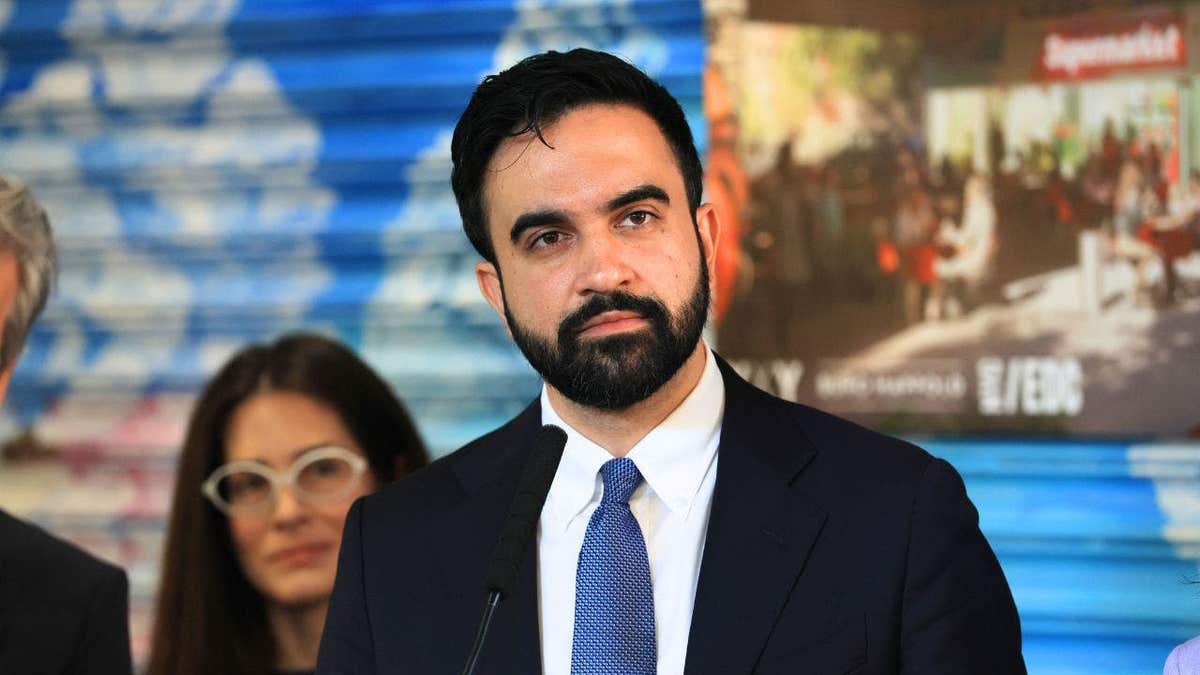
Multicultural Business Coalition Sues NYC Over Mayor Mamdani Grocery Plan
The Multicultural Business Coalition filed two lawsuits in New York County Supreme Court against New York City Mayor Zohran Mamdani. The legal action challenges the municipal administration’s initiative to establish five city-owned grocery stores across the five boroughs, alleging that the publicly funded model will inflict harm on small, immigrant-, and minority-owned supermarkets by undercutting market prices.
Legal Challenges Mount Against Municipal Supermarket Initiative
The Multicultural Business Coalition argues that smaller independent merchants cannot compete with the discounts promised by the municipal grocery project. According to the court filings, independent grocers would be put out of business by a city-backed operation. The lawsuits claim the plan violates the civil rights of minority- and immigrant-owned businesses across New York City.
Mayor Zohran Mamdani originally championed the grocery store plan during his campaign as a solution to food affordability. The current operational blueprint outlines a publicly funded, privately operated model intended to bring cheaper food options to residents. Under the New York City Economic Development Corporation (EDC) guidelines, the administration plans to cover capital costs for design and fit-out while leaving upkeep responsibilities to contracted vendors.
Controversies Surrounding the Request for Proposals
Industry critics have raised operational concerns following the release of the EDC’s 44-page request for proposals (RFP). Chicago restaurateur Nick Kokonas criticized the business model in a public critique, pointing out that bidders are asked to price unknown locations assuming they’re “about 15,000 sq ft.” The RFP indicates a preference for bidders who “seek to run all five (5) sites,” though City Hall has publicly identified only two locations thus far: one in Manhattan and another in the Bronx.


Additional scrutiny focuses on the planned inventory and pricing structures. While the city aims to offer a “limited” variety of foods—including kosher, halal, vegan, dairy-free, and diabetic options—the RFP specifies that the stores will lack food preparation on site or a deli counter. Furthermore, city officials confirmed that ID will not be required to shop, meaning affluent shoppers living near the stores will have access to taxpayer-subsidized groceries alongside needy families.
Local business owners operating in targeted neighborhoods have expressed frustration over the competition. Elvis Arias, a 33-year-old owner of American Deli Mini Mart operating near a proposed East Harlem site at La Marqueta, noted that the municipal project feels like a slap in the face given high local taxes. Speaking to reporters during a recent city-led tour of the vacant lot slated for a $30 million facility, Arias questioned the economic fairness of the city entering the retail food market.
Project Timelines and Community Impact
The entire municipal grocery initiative carries an estimated taxpayer price tag of $70 million. The first location, situated in the Bronx, is scheduled to open next year, while the East Harlem site at La Marqueta is projected to open its doors in 2029 with a $30 million budget. City officials, including Waverly Neer, senior vice president of groceries at the EDC, have defended the project as an exciting opportunity for community development and food access.
Independent analysts and trade groups remain skeptical of the timeline and execution strategy. Fernando Matteo of the United Bodegas of America dismissed the initiative as a gimmick, suggesting the administration should instead work with existing grocery stores.
As this legal battle reshapes the commercial landscape of New York City, affected business owners must navigate complex administrative hurdles.