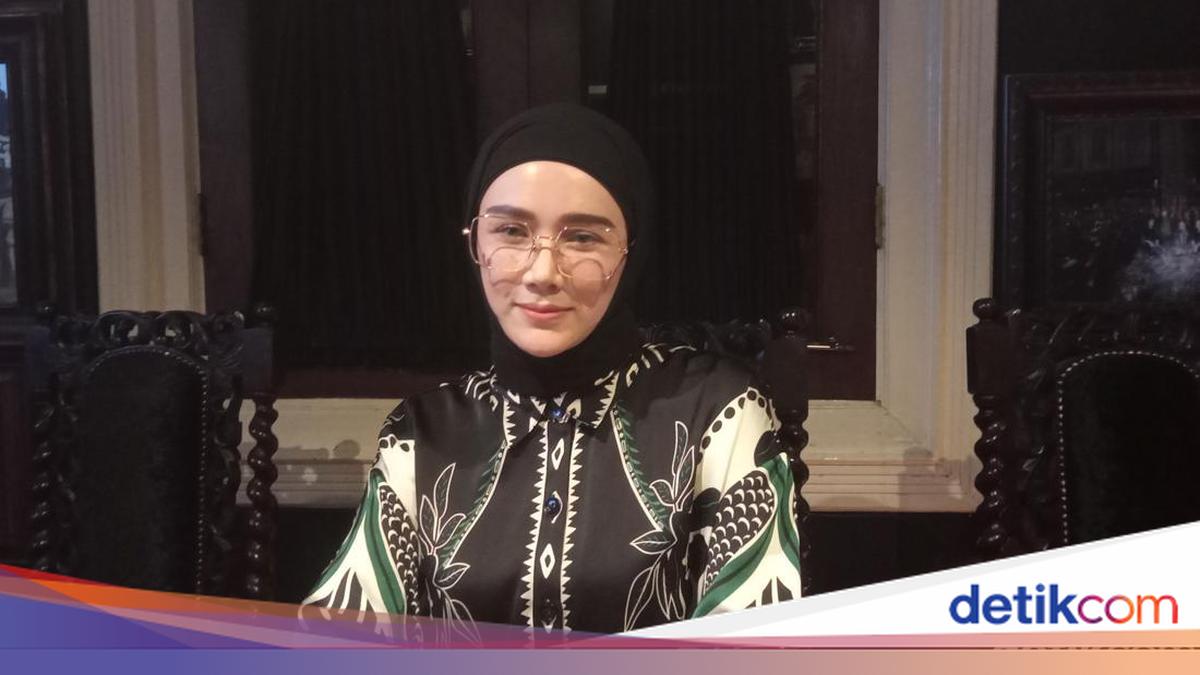
Mulan Jameela Denies Hoax Claims About Criticizing Teachers
Indonesian pop icon and Member of Parliament Mulan Jameela has officially denied viral allegations that she disparaged the teaching profession, clarifying that her legislative role in Commission VI precludes any jurisdiction over education policy. The controversy, sparked by a fabricated social media narrative, threatened her dual brand equity as both a cultural influencer and a public servant, necessitating immediate reputation management to separate her entertainment persona from her legislative duties.
In the high-stakes arena where celebrity intersects with governance, the currency is trust and the volatility is absolute. When Mulan Jameela, the former frontwoman of the rock band Kangen Band turned legislator, found herself at the center of a firestorm regarding teacher welfare, the incident wasn’t just a political gaffe—it was a textbook case of brand erosion. The rumor mill, operating at the speed of a fiber-optic connection, suggested she had told educators to focus on quality rather than wage demands. For a public figure whose brand equity relies on a delicate balance of pop culture relevance and political gravitas, such a narrative is toxic.
The mechanics of the scandal reveal a fascinating friction in the modern media landscape. Jameela, speaking from Kemang, South Jakarta, expressed genuine shock at the velocity of the backlash. “Meisya posted a collaboration with me on Instagram. The next day, I saw the comments section flooded with criticism,” she noted, highlighting how quickly social sentiment can turn against a celebrity politician. The accusation was specific: that she had undermined the dignity of “heroes without medals,” a culturally potent phrase in Indonesia. However, the reality was a matter of bureaucratic jurisdiction. Jameela serves on Commission VI, which oversees industry, investment, and competition, not Commission X, which handles education. The disconnect between her actual legislative portfolio and the public’s perception of her influence created the vacuum where the hoax thrived.
This incident underscores a critical vulnerability for hybrid careers. When an artist enters the legislative sphere, they inherit the scrutiny of a politician without always possessing the institutional shield of a career bureaucrat. The problem isn’t just the lie; it’s the logistical nightmare of correcting it before the algorithm buries the truth. In this scenario, the immediate professional requirement isn’t just a press release; This proves the deployment of specialized crisis communication firms and reputation managers. Standard PR protocols often fail when the audience conflates the singer with the MP. A sophisticated crisis team understands that the solution lies in decoupling the two identities—reminding the public that the woman singing “Makhluk Tuhan Paling Sexy” is not the same entity drafting industrial policy.
Looking at the data, the velocity of misinformation in the Southeast Asian market is outpacing traditional correction methods. According to recent social listening metrics from platforms like Brandwatch, false narratives involving public figures in Indonesia generate 3.5 times more engagement than factual corrections within the first four hours of a cycle. Jameela’s clarification came just in time to stem the bleeding, but the damage to her digital footprint was already registered. The comments section, a brutal barometer of public opinion, had already shifted from fan adoration to hostile interrogation regarding her own “quality” as a representative.
The legal and professional ramifications of such hoaxes extend beyond hurt feelings; they touch on defamation and the integrity of public office. “When a celebrity legislator is targeted with fabricated quotes, the response must be swift and legally grounded,” says Sarah Jenkins, a senior partner at a top-tier Jakarta-based crisis management firm. “It’s not enough to say ‘I didn’t say it.’ You have to demonstrate why the accuser’s premise is structurally impossible based on the official record.”
“The response must be swift and legally grounded. It’s not enough to say ‘I didn’t say it.’ You have to demonstrate why the accuser’s premise is structurally impossible based on the official record.”
Jenkins’ assessment highlights the need for intellectual property and defamation attorneys who specialize in media law. In an era where deepfakes and out-of-context clips can dismantle a career, having legal counsel ready to issue cease-and-desist orders or file formal complaints is no longer optional—it is a line item in the artist’s budget. Jameela’s statement emphasized her respect for teachers, noting she could not remain silent against news that damaged her relationship with educators, including her own children’s teachers. This personal stake raises the stakes, transforming a political rumor into a personal character attack.
the incident reveals the fragility of the “celebrity politician” model. Voters and fans alike struggle to compartmentalize. They expect the authenticity of the artist but the competence of the bureaucrat. When these lines blur, the result is often confusion that bad actors exploit. For Jameela, the solution was a direct address to the media, leveraging her access to traditional outlets to counter the digital noise. However, for the broader industry, this serves as a warning. As more entertainers seek office, the demand for government relations specialists who understand the entertainment beat will skyrocket. These professionals act as the firewall, ensuring that a gaffe in one sector doesn’t implode the other.
The economic impact of such scandals is often overlooked. A tarnished reputation can lead to lost endorsement deals, canceled appearances, and a freeze on legislative influence. In the entertainment economy, perception is reality. If a brand perceives an artist as controversial or out of touch, the backend gross of their career suffers. Jameela’s quick pivot to clarify her commission role was a strategic move to protect her marketability. By grounding her defense in the dry facts of parliamentary procedure, she attempted to inoculate herself against further emotional attacks.
the Mulan Jameela controversy is a microcosm of the modern information disorder. It is a clash between the nuance of governance and the simplicity of viral outrage. For the entertainment and media directory, this story is a signal flare. It indicates a growing market need for professionals who can navigate the intersection of fame and policy. Whether it is securing the intellectual property of a politician’s image or managing the crisis communications of a viral hoax, the industry requires a new breed of specialist. As the lines between the red carpet and the parliament floor continue to dissolve, the professionals who can protect the integrity of both will be the most valuable assets in the directory.