
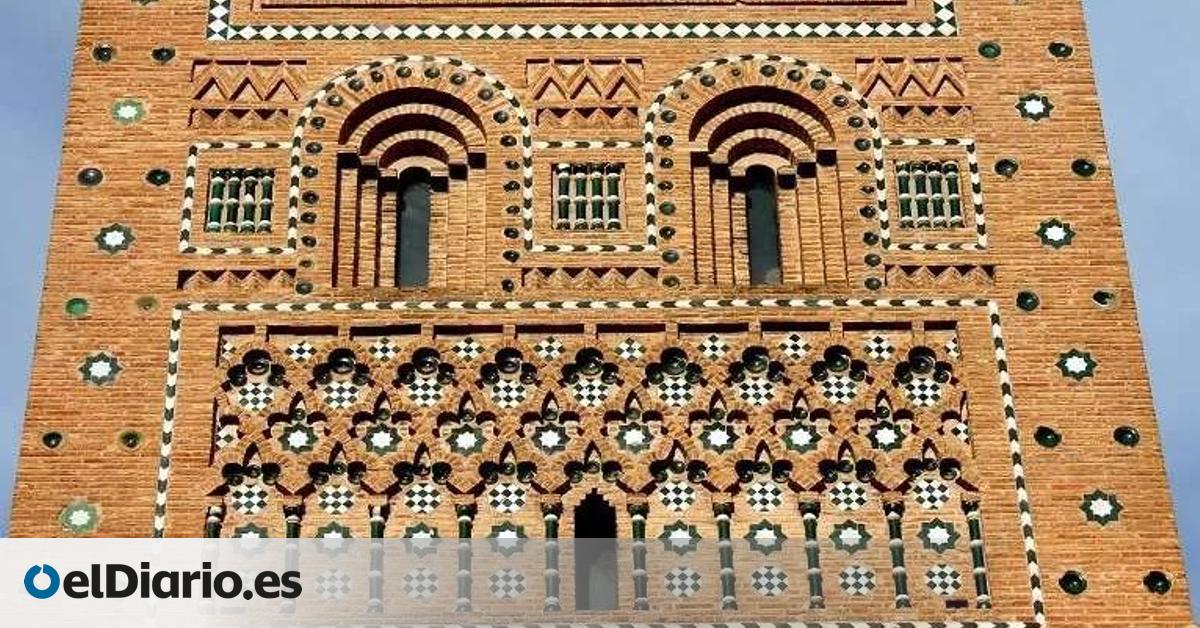
The distinctive brickwork and intricate plasterwork of Aragon’s Mudéjar architecture are drawing renewed attention as the region prepares for a surge in tourism spurred by a government-backed promotional campaign. Announced February 21, 2026, the initiative aims to highlight the unique cultural heritage found across the valleys of the Ebro, Jalón, and Jiloca rivers, building on the UNESCO World Heritage designation granted to the style in 1986.
The term “Mudéjar” refers to the Muslims who remained in Christian-controlled territories of Spain following the Reconquista, and the architectural style that bears the name is a direct result of that coexistence. It blends Islamic techniques and forms with the prevailing architectural trends of the time, notably Gothic, creating a uniquely Aragonese aesthetic. Unlike other examples of Mudéjar architecture found in Spain, the Aragonese variant is particularly recognizable for its extensive use of brick, plaster, ceramic tiles, and wood, materials readily available in a region historically lacking in stone.
While the city of Teruel was first recognized by UNESCO for its Mudéjar structures, the style is far more widespread. According to ARAGONMUDEJAR.COM, over one hundred monuments across Aragon showcase the style, from churches and towers to palaces and former monasteries. The UNESCO designation, initially focused on Teruel in 1986, was expanded in 2001 to include other significant monuments throughout the community, acknowledging the breadth and coherence of the architectural tradition.
The origins of Aragonese Mudéjar architecture in the 12th century were shaped by specific political, social, and cultural conditions following the Reconquista. As noted by UNESCO, the style emerged partly from Islamic art, but also incorporated contemporary European architectural influences. Early manifestations of the style can be seen in the royal palace of the Aljafería in Zaragoza, where Muslim artisans continued to employ traditional Islamic ornamentation while undertaking renovations and expansions for the monarchy. Simultaneously, a vernacular Mudéjar style developed, incorporating brick tracery into Romanesque structures, as evidenced in churches in Daroca.
The architectural style is characterized by its decorative use of brick, often arranged in intricate patterns, and elaborate plasterwork. Ceramic tiles are frequently used to add color and detail, while wooden ceilings and structures showcase skilled craftsmanship. Examples of this can be found in the Iglesia de Santa María in Albarracín and the towers of Agon and Atea, among many others listed on ARAGONMUDEJAR.COM. The government’s promotional campaign will focus on highlighting these diverse examples and encouraging visitors to explore beyond the well-known sites in Teruel, and Zaragoza.
The campaign’s success hinges on attracting visitors during the off-season, a key goal for regional tourism officials. Details regarding the budget allocation and specific marketing strategies remain undisclosed, with a formal announcement expected next month. The regional government has yet to respond to inquiries regarding potential infrastructure improvements to support the anticipated increase in tourism.
