
MTR Fare Evasion: Staff Handling Sparks Controversy After Mother and Child Caught
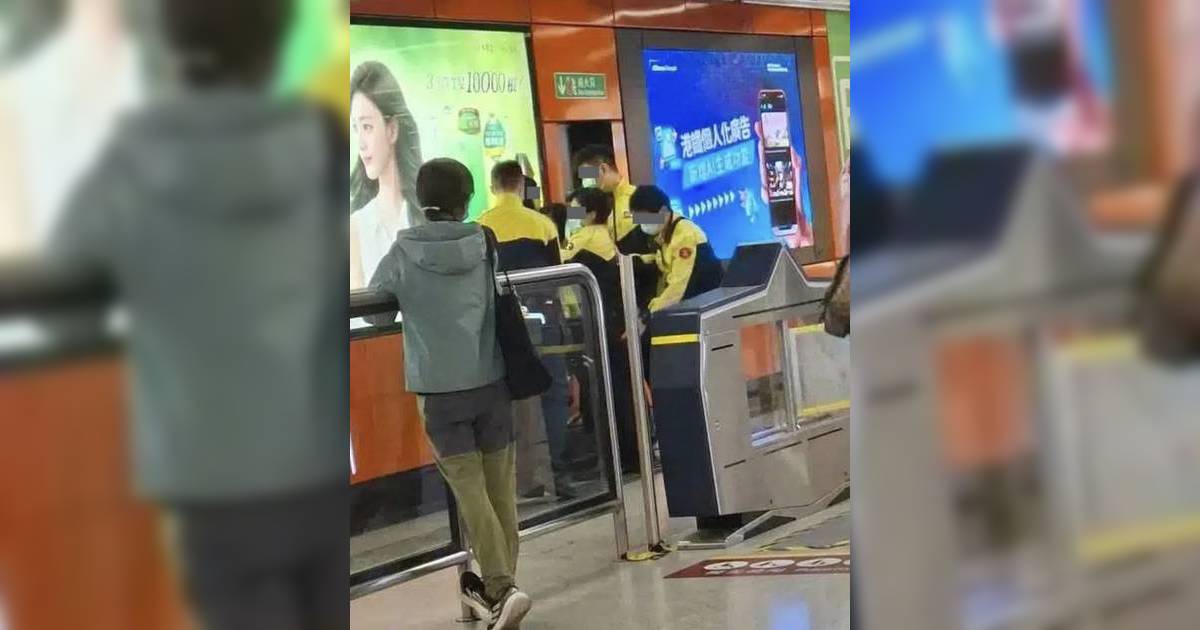
A mother and child were intercepted by MTR Corporation staff at Lai Chi Kok Station in Hong Kong after allegedly jumping fare gates to avoid payment. The encounter sparked intense public debate after videos surfaced of the child crying hysterically even as surrounded by multiple staff members, raising questions about corporate enforcement ethics.
This isn’t just a story about a few dollars in unpaid fares. It’s a collision between rigid corporate policy and the volatile nature of public-facing security. When a routine fare evasion check transforms into a scene of childhood distress, it exposes a systemic gap in how transit authorities handle “low-level” offenses involving minors.
The incident, which came to light on April 7, 2026, serves as a catalyst for a broader conversation on the psychological impact of aggressive enforcement. While fare evasion is a clear violation of the MTR Corporation’s terms of service, the optics of a child being “surrounded” by adults in a high-pressure environment have triggered a backlash from parents and child advocates across the city.
It is a classic case of a solution—stopping fare evasion—creating a new, more complex problem: public trauma and brand erosion.
The Anatomy of a Public Relations Crisis
The footage captured by bystanders shows a scene of high tension. The child’s distress was palpable, and the perceived “aggressive” posture of the MTR staff became the focal point of the controversy. In the digital age, a security guard’s adherence to protocol can be interpreted as harassment when viewed through a 15-second viral clip.

For the parent, the legal ramifications of fare evasion are straightforward. Under the Hong Kong Government’s legal framework, fare evasion can lead to fines or prosecution. But, the social cost is far higher. Netizens have been divided; some argue the parent provided a “failed education” by teaching the child to steal services, while others argue that the MTR’s tactical approach was disproportionate to the crime.
This tension highlights a growing demand for specialized legal counsel for families navigating the intersection of municipal law and child welfare, as the fallout from such incidents often extends beyond a simple fine into the realm of social stigmatization.
“The objective of fare enforcement is revenue protection and deterrence, but when the methodology ignores the developmental vulnerability of a child, the deterrent becomes a trauma. We must distinguish between the act of evasion and the act of enforcement.”
This perspective is echoed by regional child psychologists who argue that “cornering” a child in a crowded transit hub can trigger long-term anxiety associated with public spaces.
The Macro-Impact: Transit Infrastructure and Social Governance
Hong Kong’s transit system is one of the most efficient in the world, but its reliance on automated gates creates a binary environment: you are either “authorized” or “trespassing.” When humans enter this equation, the friction is immediate.
This incident is not an isolated case of “jumping the gate.” It reflects a broader trend of “micro-defiance” within urban infrastructures. From the “human centipede” style fare evasion attempts reported in other stations to individual jumpers, the MTR is fighting a war of attrition against a small percentage of users who view the system as a suggestion rather than a rule.
But here is the economic reality: the cost of a PR disaster and the subsequent loss of public trust often outweigh the marginal revenue recovered from a single fare-evading passenger. When a corporate entity prioritizes the “win” of a confrontation over the “wellness” of the public, they risk alienating their primary customer base.
Families facing these types of public confrontations often find themselves needing professional mediation or family counseling services to process the emotional aftermath, especially for children who may now associate public transport with fear, and conflict.
Comparing Enforcement Models
To understand why this incident resonated so strongly, it is helpful to look at how different transit jurisdictions handle similar infractions. In many European cities, fare evasion is handled via a “deferred payment” system where the passenger is issued a notice and pays a fine online, avoiding a public scene.
| Enforcement Style | Immediate Goal | Long-term Outcome | Public Perception |
|---|---|---|---|
| Aggressive Interception | Immediate recovery/deterrence | High trauma/Viral backlash | Authoritarian |
| Administrative Citation | Legal record/Fine collection | Consistent revenue/Lower friction | Professional |
| Educational Warning | Behavioral change | Variable compliance | Compassionate |
The MTR’s current approach leans heavily toward aggressive interception. While this may stop the immediate “leak” of revenue, it fails to address the human element of the commute.
The Legal Gray Area of “Reasonable Force”
From a legal standpoint, MTR staff are authorized to stop individuals suspected of fare evasion. However, the definition of “reasonable” in the context of surrounding a minor is subject to intense scrutiny. If the child felt trapped, the situation moves from a civil matter of fare evasion to a potential discussion on the rights of the child.
“In any jurisdiction following common law principles, the proportionality of the response must match the severity of the offense. Stopping a fare-evader is legal; creating a scene of psychological distress for a minor may be viewed as an overreach of corporate authority.”
This is where the problem shifts from a transit issue to a liability issue. Companies that fail to train their staff in de-escalation techniques are essentially gambling with their brand equity. For those caught in the middle of such disputes, seeking advice from civil rights attorneys becomes necessary to ensure that “enforcement” does not cross the line into “harassment.”
The MTR has responded to the controversy, but responses issued after a video goes viral are often viewed as damage control rather than genuine policy shifts. The real test will be whether the corporation implements a “child-first” protocol for fare disputes.
As urban centers become more crowded and surveillance more pervasive, the line between security and intimidation will continue to blur. The Lai Chi Kok incident is a warning: in the quest for a “leak-proof” revenue stream, the MTR may have accidentally created a blueprint for public resentment. For the child involved, the memory of the fare gate may be long gone, but the memory of the circle of adults closing in will likely remain. Finding a way to resolve these conflicts without trauma requires a shift toward verified, professional conflict resolution—the kind of expertise found within the curated networks of the World Today News Directory.