MrBeast’s Beast Games production in Toronto faces litigation and logistical challenges
James “MrBeast” Donaldson’s 10-episode competition series Beast Games launched its inaugural production in Toronto in 2024, utilizing a $138 million budget to film at Downsview Park. The Amazon Prime production, which features a $5 million grand prize, faced significant logistical challenges, internal litigation between production companies, and safety concerns during its massive, record-breaking shoot.
Downsview Park and the Scale of Production
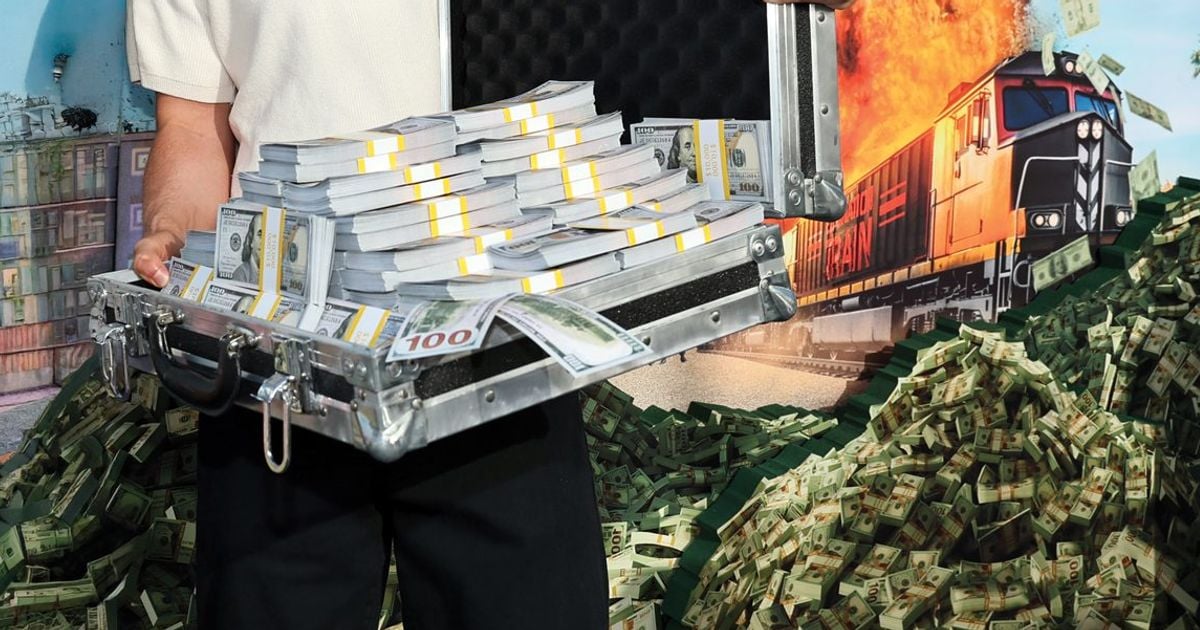
At the peak of operations, the set hosted more than 2,500 people, including 1,000 competitors, supported by 1,100 cameras and a team of 200 editors tasked with managing petabytes of footage. According to showrunner Charles Wachter, the scale of the series was too large to execute in the United States, leading the production to seek the tax incentives and currency advantages available in the Canadian market. The series, which Donaldson described as “bigger than anything you can ever imagine,” set records for the amount of money dispensed and was officially recognized by Guinness World Records. Following its December 2024 premiere, it became the most-watched unscripted series in Amazon’s history.
Donaldson Sues MHQ over Seed Funding
Donaldson’s company initially partnered with Toronto-based Media Headquarters Film and Television Inc. (MHQ), providing $5 million in seed funding. This led to ongoing litigation: Donaldson’s company is suing MHQ over the seed funding, while MHQ has filed a countersuit for $5 million, citing damage to its reputation as a reliable producer. The production eventually moved forward in partnership with Toronto-based Blink49 Studios.
Contestants Face Cash Bribes in Opening Challenge
The series, which draws inspiration from the fictional drama Squid Game, relies on competitive social psychology to narrow its contestant pool. In the opening challenge, contestants were offered cash bribes to exit the competition, which resulted in the immediate elimination of entire rows of participants if the bribe was accepted. Incentives began at $10,000 and escalated; in one instance, a participant accepted $100,000, triggering the removal of their entire row. Survivors were moved to “Beast City,” a $19-million compound constructed at the park that featured sleeping cabins, a gym, a four-storey tower, and a café serving Feastables snack foods. While on-site, Donaldson was observed watching competitors from the tower, remarking that they “literally look like ants.”
The Financial Model of Reality Competition
Beast Games secured government tax credits typically reserved for programs of national interest by arguing that the series provided character development for its contestants. This classification allowed the project to access subsidies despite its nature as a high-budget unscripted competition. In the context of government-grant bureaucracy, most such programs fail to meet the standard of “programs of national interest,” with The Amazing Race Canada serving as a rare exception. Beyond this production, Donaldson has previously collaborated with Netflix on a secret-identity competition titled Million Dollar Secret, which was filmed at a 44-acre château in British Columbia. The production’s reliance on these incentives highlights the evolving relationship between global streaming platforms and local production infrastructure. While such projects inject significant capital—estimated at $1.65 billion for the industry in 2024—the volatility of foreign partnerships and the scale of the sets often require specialized oversight from legal counsel experienced in intellectual property and complex production contracts, as well as firms specialized in large-scale event logistics and crisis management to handle the fallout of high-profile, tumultuous shoots.
Disclaimer: The views and cultural analyses presented in this article are for informational and entertainment purposes only. Information regarding legal disputes or financial data is based on available public records.