Mpox Is Still Spreading in the U.S.
Mpox is transitioning from an acute, traveler-associated global emergency into an endemic pathogen within the United States, according to the latest surveillance data released by the Centers for Disease Control and Prevention (CDC).
- Endemic Transition: The CDC reports that mpox is no longer sustained solely by international travel, establishing persistent person-to-person community spread across the United States.
- Vaccination Efficacy: Real-world data from 2024 and 2025 demonstrate that unvaccinated individuals are nearly 10 times more likely to be hospitalized with mpox compared to those who completed the two-dose JYNNEOS vaccine series.
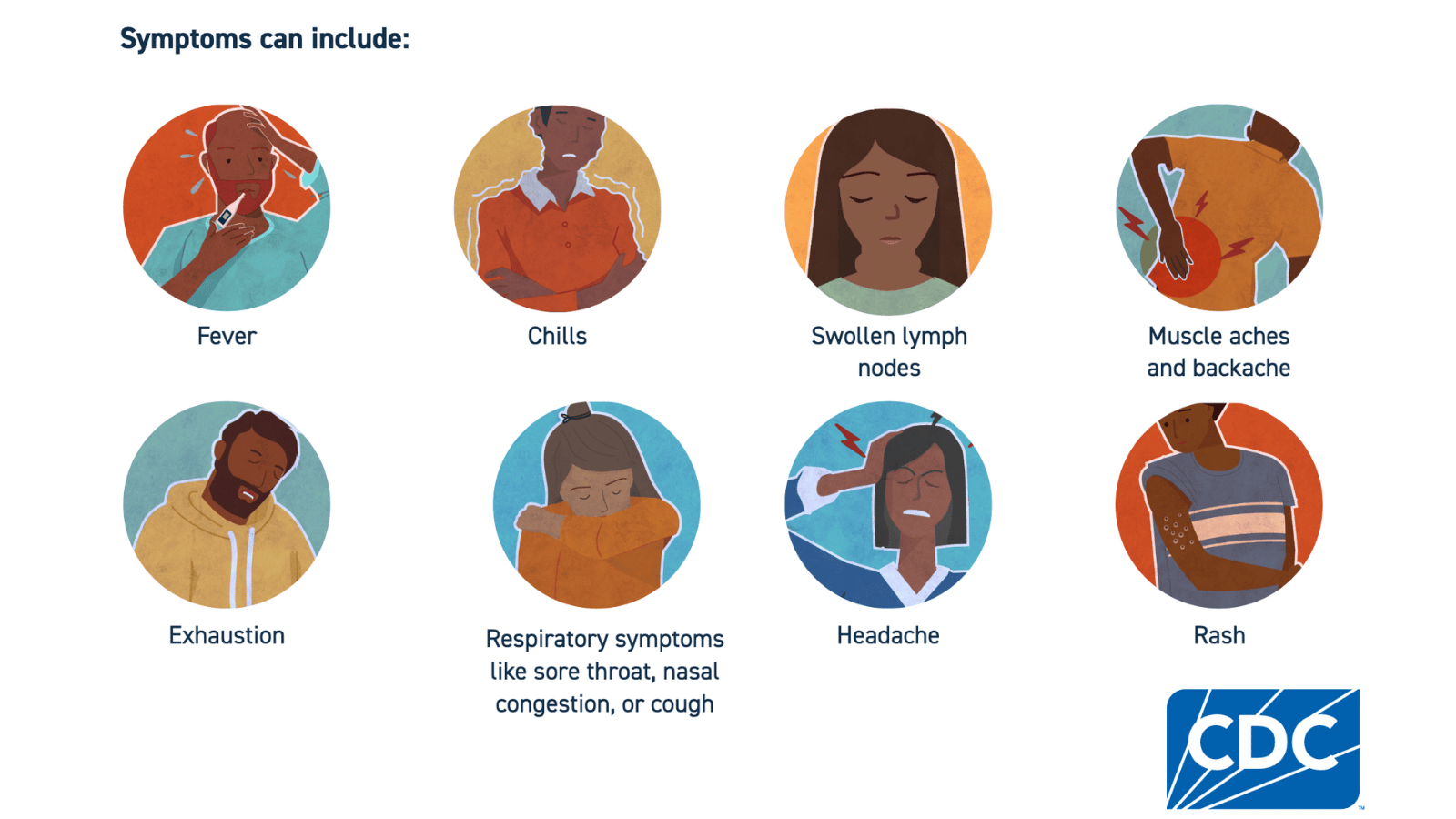
- Clinical Presentation: The virus causes flu-like symptoms and distinct fluid-filled sores on the face, body, or genital region, which frequently mimic common sexually transmitted infections such as syphilis or herpes.
The Shift Toward Endemic Transmission in the U.S.
Before the global surge in 2022, mpox cases diagnosed inside the United States were rare, typically confined to individuals with recent international travel history or direct contact with imported animal vectors. The epidemiology shifted dramatically during that 2022 outbreak, rewriting the pathogen’s domestic profile. While acute case counts dropped sharply in the immediate aftermath, epidemiological tracking confirms the virus never entirely disappeared from circulation.
The CDC now classifies the ongoing domestic presence as endemic, meaning the virus will continue to circulate at low levels indefinitely. This persistence requires sustained public health awareness, routine diagnostic testing, and proactive immunization strategies. Clinicians treating patients presenting with genital lesions or vesicular rashes must differentiate mpox from traditional sexually transmitted infections, as clinical presentation frequently overlaps with herpes and syphilis.
Vaccination Disparities and Hospitalization Risks
Clinical data underscore a stark divide in disease severity between vaccinated and unvaccinated cohorts. According to CDC findings tracking diagnoses across 2024 and 2025, 76% of individuals who contracted mpox in the United States had received zero doses of the JYNNEOS vaccine. Unvaccinated patients faced a nearly tenfold higher risk of requiring hospitalization for severe systemic complications compared to individuals who completed the recommended two-dose regimen.
Transmission occurs primarily through close, personal, skin-to-skin contact, encompassing intimate physical interactions such as sex, kissing, and cuddling, as well as handling contaminated soft items like towels or bedding. While men who have sex with men have accounted for the majority of cases since 2022, public health agencies emphasize that anyone can contract the virus through exposure to infectious respiratory droplets or direct contact with sores.
Diagnostic Challenges and Emerging Global Strains
Managing the domestic spread is further complicated by evolving viral characteristics and atypical clinical presentations. Recent international and domestic research highlights diagnostic hurdles, including instances where individuals test positive for the virus without ever exhibiting visible symptoms or classic dermatological lesions.
Global health authorities continue to monitor more virulent strains spreading internationally, including outbreaks in the Democratic Republic of Congo linked to a deadlier viral clade, alongside isolated imported cases identified in California and novel recombinant types discovered in England.
Future Trajectory and Clinical Vigilance
*Disclaimer: The information provided in this article is for educational and scientific communication purposes only and does not constitute medical advice. Always consult with a qualified healthcare provider regarding any medical condition, diagnosis, or treatment plan.*