
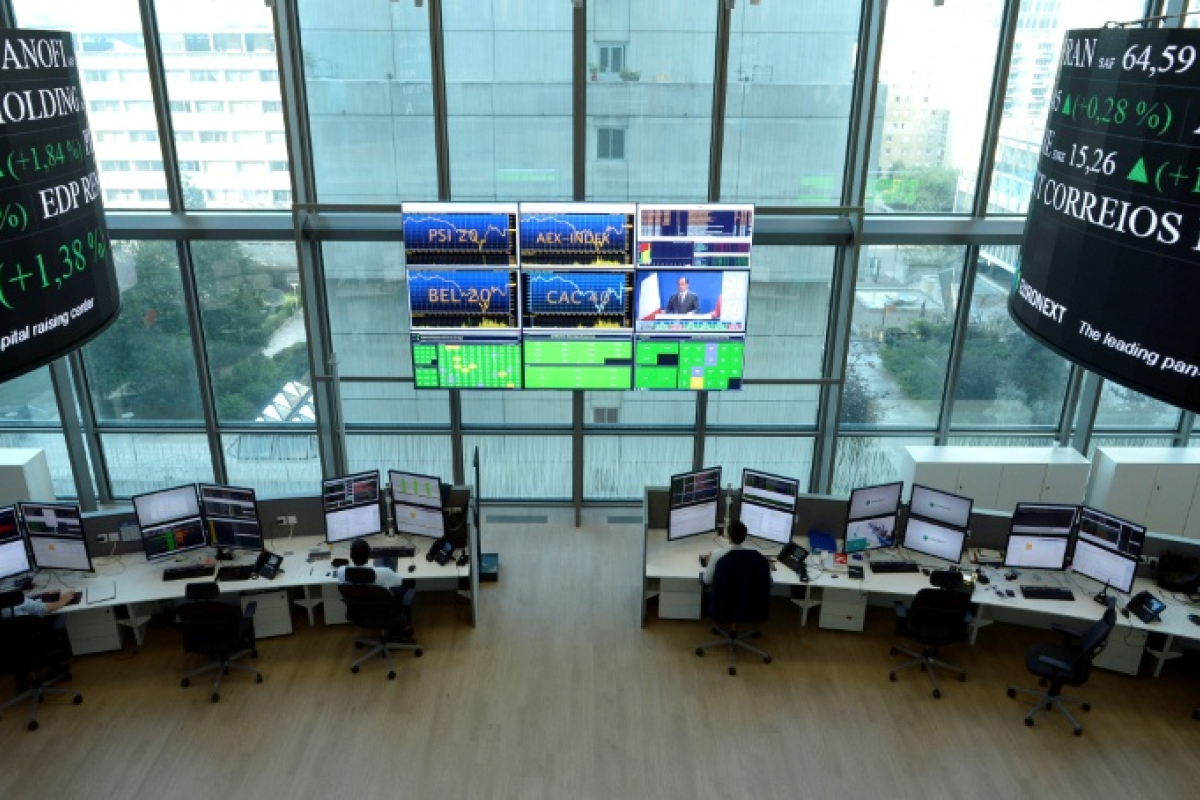
Moyen-Orient: les marchés financiers déçus par l’allocution de Donald Trump – 02/04/2026 à 09:34
Global equities tumbled and sovereign yields spiked on Thursday as Donald Trump’s aggressive rhetoric regarding Iran shattered market optimism for a swift Middle East de-escalation. Brent crude surged 6.66% to $107.90, while the German 10-year Bund yield breached the critical 3.00% threshold, signaling renewed inflationary pressure and forcing institutional investors to rapidly reprice risk assets across European and Asian exchanges.
The narrative arc of the last forty-eight hours has been nothing short of violent. Wednesday’s session closed on a high, fueled by whispers from the White House that a ceasefire was imminent—perhaps within two weeks. Capital flowed into risk-on assets. Then came the address. Trump didn’t offer an off-ramp; he offered a hammer. By reaffirming a commitment to strike Iranian infrastructure “extremely hard” and demanding regional allies secure the Strait of Hormuz, the administration effectively torched the peace premium that had been baked into asset prices.
Markets hate uncertainty, but they despise prolonged conflict even more. The immediate reaction was a liquidity crunch in European indices. Paris’s CAC 40 shed 1.24%, while Frankfurt’s DAX, heavily exposed to industrial manufacturing and energy imports, dropped 1.55%. In Asia, the Nikkei 225 closed down 2.4%, erasing gains from the previous session. This isn’t just a correction; it is a fundamental recalibration of the cost of capital in a war economy.
The energy sector is the primary transmission vector for this shock. With Brent crude clawing its way back toward triple digits, the margin compression for non-energy corporations is immediate and severe. Logistics firms and manufacturers operating on thin EBITDA margins are suddenly facing a double-whammy: soaring input costs and disrupted shipping lanes through the Hormuz choke point, where one-fifth of global oil supply transits.
Corporate treasurers who hedged their exposure three months ago are breathing a sigh of relief, but those running lean operations are scrambling. This volatility underscores the critical need for robust commodity risk management and hedging strategies. Firms without dynamic hedging desks are now exposed to balance sheet erosion that no amount of operational efficiency can offset. The spread between WTI and Brent is widening, a classic signal of geopolitical supply fear rather than fundamental demand destruction.
“The message wasn’t alarmist, but it was definitive: nothing is finished. The market priced in a ceasefire; the President delivered a campaign. We are now looking at a sustained premium on energy and a structural shift in sovereign debt yields.” — Stephen Innes, SPI Asset Management
Bond markets are screaming louder than equities. The yield on the German 10-year Bund, the benchmark for European borrowing costs, pushed past 3.03%, up from 2.98% the day prior. This move is significant. It reverses the “flight to safety” narrative. Usually, war sends investors into bonds, lowering yields. Here, yields are rising because the war threatens inflation. Creditors demand higher returns to compensate for the erosion of purchasing power. The French OAT yield followed suit, hitting 3.74%.
Per the latest European Central Bank monetary policy statement, inflation targets remain precarious. A sustained oil price above $100 forces the ECB’s hand. They cannot cut rates while energy prices surge. This creates a hostile environment for leveraged buyouts and corporate refinancing. Companies looking to roll over debt in Q3 2026 will find the window slamming shut.
The dollar index is strengthening, trading at 1.1531 against the euro. This divergence highlights the energy independence advantage of the United States compared to Europe and Asia. While the Fed may pause, the ECB is trapped between stifling growth and fighting inflation. For multinational corporations, this currency volatility creates translation risks that can wipe out quarterly earnings gains.
Three Structural Shifts for the Next Fiscal Quarter
The market is not merely reacting to a speech; it is pricing in a new operational reality for the remainder of 2026. Based on the current trajectory of sovereign yields and energy costs, three specific shifts will define the corporate landscape:

- Supply Chain Re-Architecting: Reliance on the Strait of Hormuz is now a material risk factor. Logistics directors must immediately audit their exposure to Middle Eastern transit routes. We expect a surge in demand for global supply chain diversification consultants who can reroute freight through the Cape of Good Hope or secure air cargo capacity, despite the higher costs.
- Inflation-Linked Debt Structuring: With the yield curve steepening, fixed-rate debt is becoming expensive. CFOs should explore inflation-linked bonds or variable-rate structures tied to commodity indices. Legal teams specializing in complex corporate finance and debt restructuring will see increased engagement as companies seek to insulate their balance sheets from rate volatility.
- Defense Sector Reallocation: Capital is rotating out of consumer discretionary and into defense and energy security. The “peace dividend” trade is dead. Institutional investors are rebalancing portfolios toward aerospace and defense contractors, anticipating increased government spending on missile defense systems in Israel and the Gulf states.
The Iranian military’s promise of “crushing attacks” and the confirmed drone strikes on Israeli soil overnight suggest this volatility is not a one-day event. It is the new baseline. The initial shock has passed, but the secondary effects—higher insurance premiums for maritime shipping, increased cost of capital for European industrials, and potential supply chain bottlenecks—are just beginning to materialize.
Investors are now looking for certainty in an uncertain world. The companies that survive this quarter will be those that treated geopolitical risk as a core financial metric, not a footnote. As the dust settles on this week’s trading, the divide between prepared enterprises and reactive ones will widen. For those needing to fortify their positions against this macro headwind, the World Today News Directory offers vetted partnerships in risk mitigation and strategic finance to navigate the turbulence ahead.