
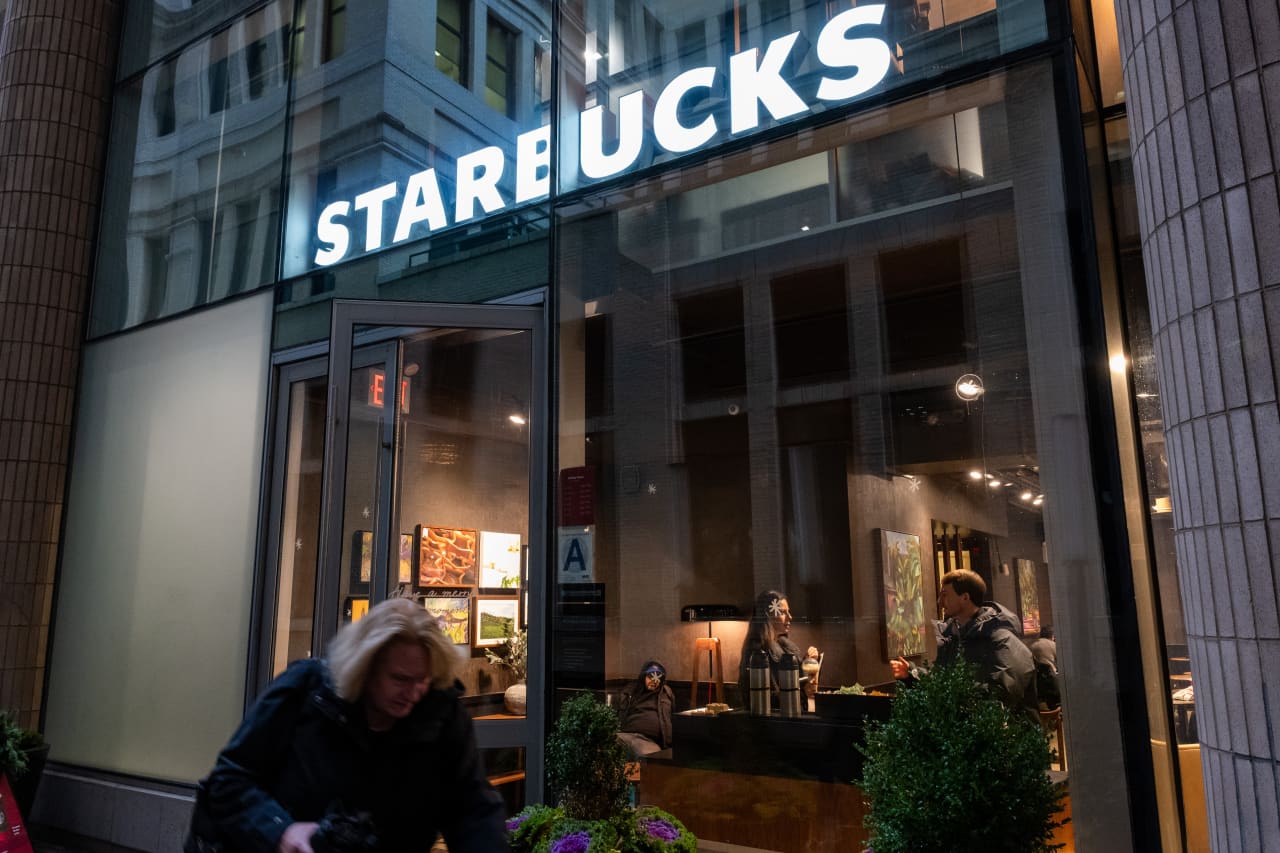
Most people have already gotten their tax refunds. That’s bad news for restaurants and retailers.
Consumer spending is slowing as the post-tax refund boost fades, hitting restaurants and retailers particularly hard. This decline, coupled with persistent inflationary pressures, is forcing businesses to reassess revenue projections for the coming quarters. The impact is most visible in discretionary spending, with consumers prioritizing essentials. Businesses are now seeking strategies to navigate this tightening environment, from optimizing supply chains to bolstering customer loyalty programs.
The Refund Cliff and the Consumer Wallet
The initial surge in consumer spending following the distribution of tax refunds is now a distant memory. Data from the Bureau of Economic Analysis reveals a significant deceleration in personal consumption expenditures (PCE) growth in March, following a February peak directly attributable to refund checks. This isn’t merely a cyclical dip; it’s a symptom of a broader economic reality. While the labor market remains relatively robust, wage growth isn’t keeping pace with the cost of living, and savings rates have plummeted to historic lows. The current environment demands a level of financial agility many businesses simply don’t possess.
The ripple effect is particularly acute for businesses reliant on frequent, smaller transactions. Restaurants, for example, are seeing a noticeable decline in foot traffic. A recent analysis by TD Cowen, cited in a report by Nation’s Restaurant News, found that a $1 increase in gas prices correlates with approximately six fewer drive-thru customers per day. This sensitivity to fuel costs underscores the precarious position of consumers already stretched thin. Retailers, especially those selling non-essential goods, are facing similar headwinds. Inventory levels, built up in anticipation of continued strong demand, are now becoming a liability.
Supply Chain Resilience: A Critical Imperative
The slowdown in consumer spending isn’t happening in a vacuum. Supply chain disruptions, though easing, continue to exert upward pressure on prices. According to the latest Producer Price Index (PPI) data released by the Bureau of Labor Statistics, wholesale prices increased by 0.2% in March, driven largely by transportation and logistics costs. This persistent inflation erodes purchasing power and further dampens consumer sentiment. Companies are realizing that simply diversifying suppliers isn’t enough; they need to build truly resilient supply chains capable of withstanding future shocks.

This is where specialized B2B solutions become invaluable. Businesses are increasingly turning to supply chain risk management consultants to identify vulnerabilities and develop mitigation strategies. These firms offer services ranging from predictive analytics to alternative sourcing solutions, helping companies proactively address potential disruptions. The need for robust inventory management systems is paramount. Companies are investing in advanced inventory optimization software to minimize waste and maximize efficiency.
“We’re seeing a fundamental shift in how companies approach supply chain management. It’s no longer about cost optimization alone; it’s about building resilience and agility. The companies that prioritize these factors will be best positioned to weather the current storm and thrive in the long run.”
— Eleanor Vance, Partner, BlackRock Private Equity, speaking at the Supply Chain Innovation Summit, March 28, 2026.
The Impact on Restaurant EBITDA and Retail Revenue Multiples
The confluence of slowing consumer spending and rising costs is having a direct impact on corporate earnings. Restaurant EBITDA margins, which were already under pressure from labor shortages and food cost inflation, are expected to decline further in the coming quarters. According to a recent report by Placer.ai, foot traffic to quick-service restaurants decreased by 3.5% in March compared to February. Retail revenue multiples are as well contracting, reflecting investor concerns about future growth prospects. The average price-to-earnings (P/E) ratio for publicly traded retailers has fallen from 18.2x at the beginning of the year to 15.7x as of March 31, 2026.
This environment demands a laser focus on operational efficiency and cost control. Restaurants are experimenting with menu price increases, but they risk alienating price-sensitive customers. Retailers are offering targeted promotions and discounts to drive sales, but these tactics can erode margins. The key is to find a balance between maintaining profitability and preserving market share.
Navigating the Legal Landscape of Cost Optimization
Cost-cutting measures, while necessary, can also create legal risks. Layoffs, for example, must be handled carefully to avoid wrongful termination lawsuits. Renegotiating contracts with suppliers can lead to disputes. Companies need to ensure they are fully compliant with all applicable laws and regulations. This is where expert legal counsel is essential. Businesses are increasingly relying on specialized corporate law firms to navigate these complex legal challenges. These firms provide guidance on everything from employment law to contract negotiation, helping companies minimize their legal exposure.
The situation is further complicated by evolving consumer protection laws. Regulators are cracking down on deceptive pricing practices and unfair contract terms. Companies need to be transparent and honest in their dealings with customers. Failure to do so can result in hefty fines and reputational damage.
The Macroeconomic Outlook: A Cautious Approach
Looking ahead, the macroeconomic outlook remains uncertain. The Federal Reserve is expected to maintain its hawkish monetary policy stance, keeping interest rates elevated to combat inflation. This will further dampen consumer spending and slow economic growth. The yield curve remains inverted, signaling a potential recession. While a deep recession is not inevitable, the risk is certainly elevated.
- Reduced Discretionary Spending: Consumers will continue to prioritize essential goods and services, leading to lower sales for restaurants and retailers.
- Increased Price Sensitivity: Consumers will become more price-conscious, forcing businesses to offer discounts and promotions.
- Supply Chain Volatility: Geopolitical tensions and climate change will continue to disrupt supply chains, leading to higher costs and longer lead times.
The current environment demands a proactive and strategic approach. Businesses need to adapt to the changing economic landscape and position themselves for long-term success. Ignoring these trends is not an option. The World Today News Directory provides access to a vetted network of B2B partners, offering solutions to aid your business navigate these challenges and capitalize on emerging opportunities. From financial advisory services to cutting-edge technology solutions, we connect you with the experts you need to thrive in today’s dynamic market. Don’t wait for the next economic shock; prepare now.