
Mosquitoes Spotted in Iceland for the First Time, Raising Climate Change Concerns
Table of Contents
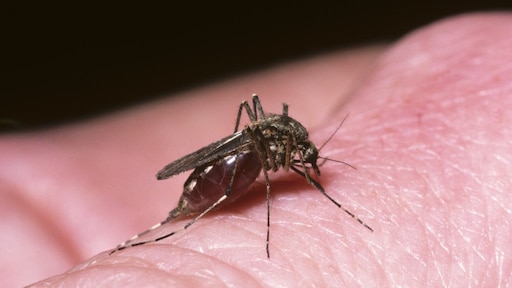
Reykjavik, Iceland – In a landmark discovery signaling the escalating impact of climate change, mosquitoes have been detected in Iceland for the first time, according to a report by The Guardian. Scientists have long predicted that a warming climate would eventually allow the insects to establish themselves on the island nation.
Iceland is experiencing warming at a rate four times faster than the average for the Northern Hemisphere, creating increasingly favorable conditions for mosquito survival and reproduction. The presence of suitable breeding grounds, including swamps and ponds, further contributes to the potential for mosquito populations to thrive.
Initial Findings and Species Identification
The discovery was confirmed by an employee of the Icelandic Natural Sciences Institute, who reported finding two female and one male mosquito. While the long-term viability of these mosquitoes remains uncertain – the Icelandic climate is still harsh for many species – the initial finding suggests that at least one species is capable of surviving in the altered environment.
This arrival isn’t isolated.Warming waters around Iceland are also witnessing shifts in marine life, with an increasing presence of fish species previously uncommon to the region, such as mackerel. Simultaneously, Iceland’s glaciers continue to shrink at an alarming rate, a visible result of the ongoing warming trend.
Global Implications: The Spread of Mosquito-Borne Diseases
The emergence of mosquitoes in Iceland is part of a broader global pattern. As temperatures rise, mosquito species are expanding their ranges, appearing in regions where they were previously absent. in the Netherlands, for example, the Asian tiger mosquito and the yellow fever mosquito are now regularly observed,having historically been confined to countries like Thailand,vietnam,and Egypt.
this expansion carries significant public health implications, as these mosquito species are capable of transmitting perilous diseases, including dengue fever.The arrival of mosquitoes in Iceland, while currently limited, underscores the urgent need for continued monitoring and proactive measures to mitigate the risks associated with climate change and the spread of vector-borne illnesses.
