
Mosquito ‘Gut Brain’ Controls Reproduction & Offers New Disease Control Target
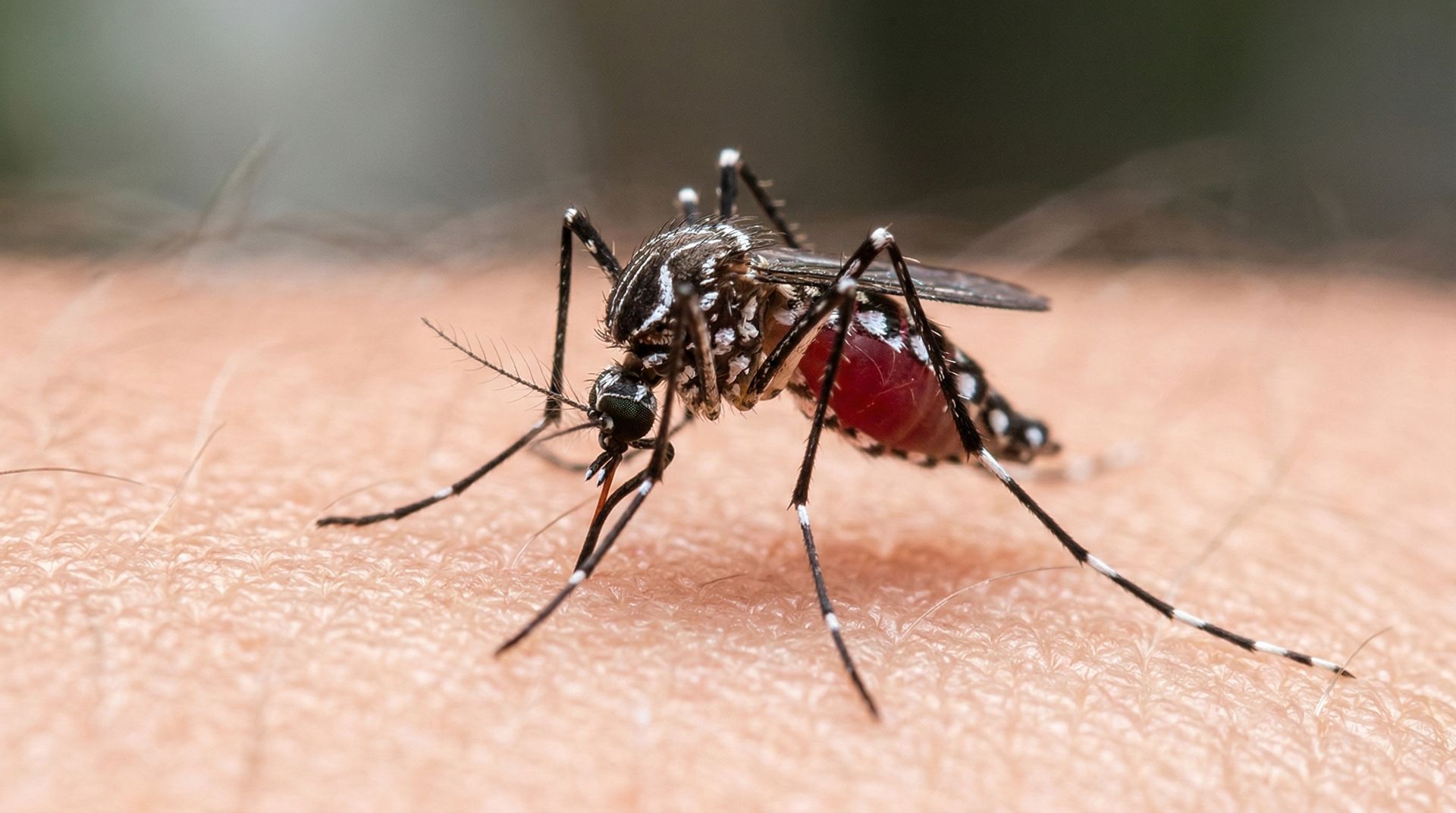
Scientists have discovered a surprising new center for instinctual behavior in Aedes aegypti mosquitoes: the rectum. Research published this week challenges the long-held belief that the mosquito brain solely controls key behaviors like host-seeking and reproduction, revealing a crucial role for cells within the insect’s rectal pads equipped with a receptor called NPYLR7.
The findings, reported by researchers at Columbia University and detailed in Polish tech publication WP Tech, demonstrate that these rectal cells function as a “logistical center” managing nutritional resources. When a female mosquito takes a blood meal, cells in the rectal pads react to amino acids and a neuropeptide called RYamide. This triggers a calcium surge, initiating a signaling cascade that appears to inform the rest of the body about the mosquito’s nutritional state.
Crucially, mosquitoes genetically engineered to lack the NPYLR7 receptor exhibited disrupted reproductive processes. Despite consuming the same amount of blood as normal mosquitoes, the eggs produced by these mutants received significantly less protein, drastically reducing their viability. These NPYLR7-deficient females continued to actively seek new blood meals even after obtaining a full blood meal, increasing the potential for disease transmission.
The discovery is significant because NPYLR7 is located within the digestive system, making it a more accessible target for potential interventions than receptors located in the brain. Researchers believe this opens the door to developing compounds that, when ingested by a mosquito, could disrupt its feeding cycle or reproductive capabilities. A 2019 study published in Cell and further research in 2024 detailed in Parasites & Vectors and a bioRxiv preprint, identified small-molecule agonists of NPYLR7 that inhibit host-seeking behavior.
Recent perform has yielded promising results, with the identification of three compounds that reduce blood-feeding at a dose of 1 μM – a 100-fold improvement over earlier compounds. The Rockefeller University team, who initially identified the NPYLR7 receptor and its role in suppressing host-seeking, used high-throughput screening to isolate these agonists. The 2019 study demonstrated that CRISPR-Cas9 knockout of NPYLR7 resulted in defective behavioral suppression and resistance to these drugs.
This research offers a novel vector control strategy to block mosquito biting behavior and prevent mosquito-human interactions that lead to pathogen transmission, potentially offering a new weapon in the fight against viruses like Zika, dengue fever, and yellow fever. Further research is underway to optimize these compounds and assess their efficacy in real-world settings.