Mortal Kombat Star Ludi Lin Confirms Shang-Chi MCU Audition
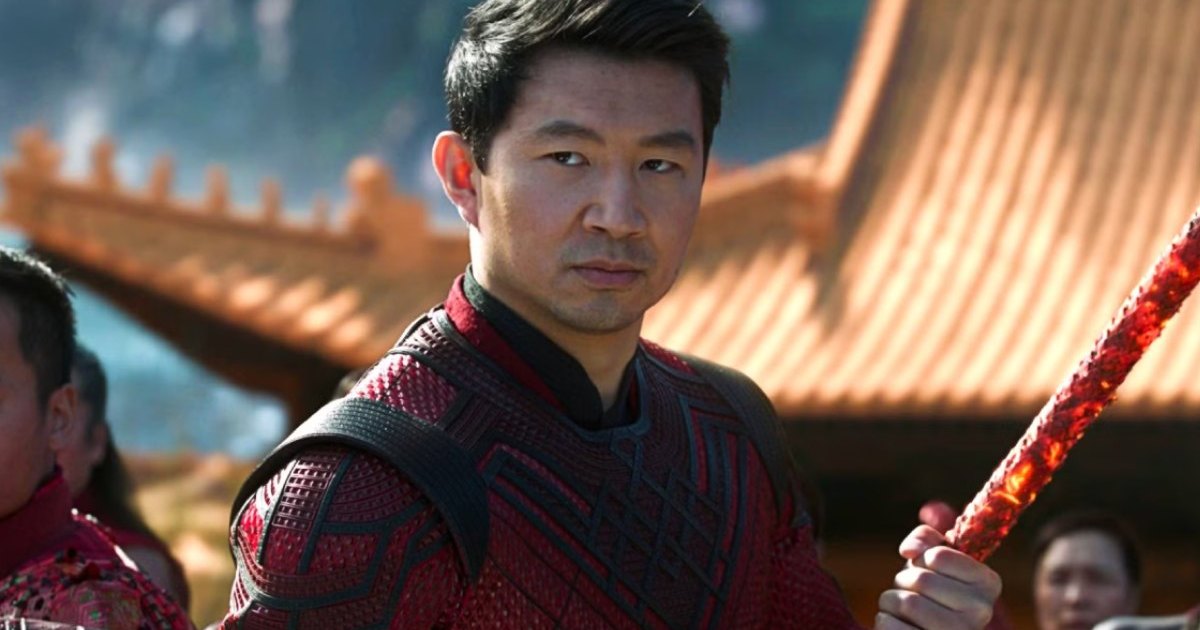
Ludi Lin, star of the upcoming Mortal Kombat 2, has officially confirmed he auditioned for the title role in Marvel Studios’ Shang-Chi and the Legend of the Ten Rings. While Simu Liu ultimately secured the role, Lin’s disclosure highlights the intense competitive landscape for high-profile intellectual property within the Marvel Cinematic Universe (MCU).
The Mechanics of Casting High-Stakes Intellectual Property
The transition from a contender to a cast member in a billion-dollar franchise involves more than mere acting ability; it is a complex negotiation of brand equity and physical capability. According to an interview with Brandon Davis, Lin described his pursuit of the role as akin to a “door-to-door salesman” seeking to represent major franchises. His credits, which include the 2017 Power Rangers reboot and the DC Extended Universe’s Aquaman, demonstrate a career trajectory built on high-octane, stunt-heavy performances.
When studios cast for characters like Shang-Chi, they evaluate the “backend gross” potential and the ability of a performer to anchor a multi-film cycle. The decision to cast Simu Liu over other established names was a calculated bet on his ability to humanize the character while maintaining the rigorous physical demands required for the stunt choreography. For talent, the audition process is often the first step in a long-term relationship with a studio, where the goal is to secure a foothold in a broader syndication and streaming strategy.
Box Office Economics and the Shang-Chi Franchise
The commercial performance of the first Shang-Chi film established a high bar for Marvel’s martial arts-inspired entries. Released in 2021, the film grossed over $432 million worldwide, a figure that remains impressive given the staggered reopening of global markets during that period. This financial success cemented director Destin Daniel Cretton’s role within the studio’s hierarchy, leading to his current work on Spider-Man: Brand New Day.

As Marvel prepares for the December 18, 2026, release of Avengers: Doomsday, the strategic integration of existing characters is vital for maintaining audience engagement. The studio’s ability to leverage established IP—such as the Ten Rings—into future ensemble projects is a core driver of their current SVOD and theatrical model. Per industry reporting from Variety, the studio’s pivot toward established directors like Cretton indicates a move toward consolidating creative control to ensure narrative consistency across a fragmented release schedule.
The Logistics of Franchise Competition
The intersection of talent, studio demands, and legal oversight requires a sophisticated support network. When an actor like Ludi Lin pursues a major role, their representatives must navigate complex contractual frameworks that govern exclusivity and future availability. For productions of this scale, the involvement of [Relevant Legal Counsel] is standard to manage the intellectual property rights and the intricate backend participation agreements that define modern Hollywood deals.
Furthermore, the physical production of these films necessitates massive logistical coordination. The security, insurance, and local hospitality requirements for a production the size of Avengers: Doomsday are immense. Studios often engage [Relevant Event Management Firm] to handle the orchestration of regional filming locations, ensuring that the intersection of A-list talent and complex stunt work remains seamless. Managing these logistics is not merely an operational necessity; it is a requirement for protecting the studio’s significant financial investment.
Future Projections for the Ten Rings Universe
Looking ahead, the development of a Shang-Chi sequel remains a priority for Marvel Studios, though the timeline remains fluid as the company adjusts its release cadence. The hypothetical debate regarding whether Liu Kang or Shang-Chi would prevail in combat is a testament to the enduring cultural footprint of both franchises. Lin noted that the full scope of Shang-Chi’s powers, particularly the ten rings, remains largely unexplored, leaving ample room for future narrative expansion.
For actors navigating these major franchises, the path forward involves balancing multiple commitments across competing studios. As the industry continues to evolve, the role of [Relevant Talent Agency] becomes increasingly vital in shielding performers from the volatility of franchise schedules while maximizing their visibility in the global market. The industry is currently witnessing a consolidation of talent and IP, where the ability to move between major studios—from Marvel to the Mortal Kombat universe—is becoming the hallmark of a successful long-term career.
Disclaimer: The views and cultural analyses presented in this article are for informational and entertainment purposes only. Information regarding legal disputes or financial data is based on available public records.