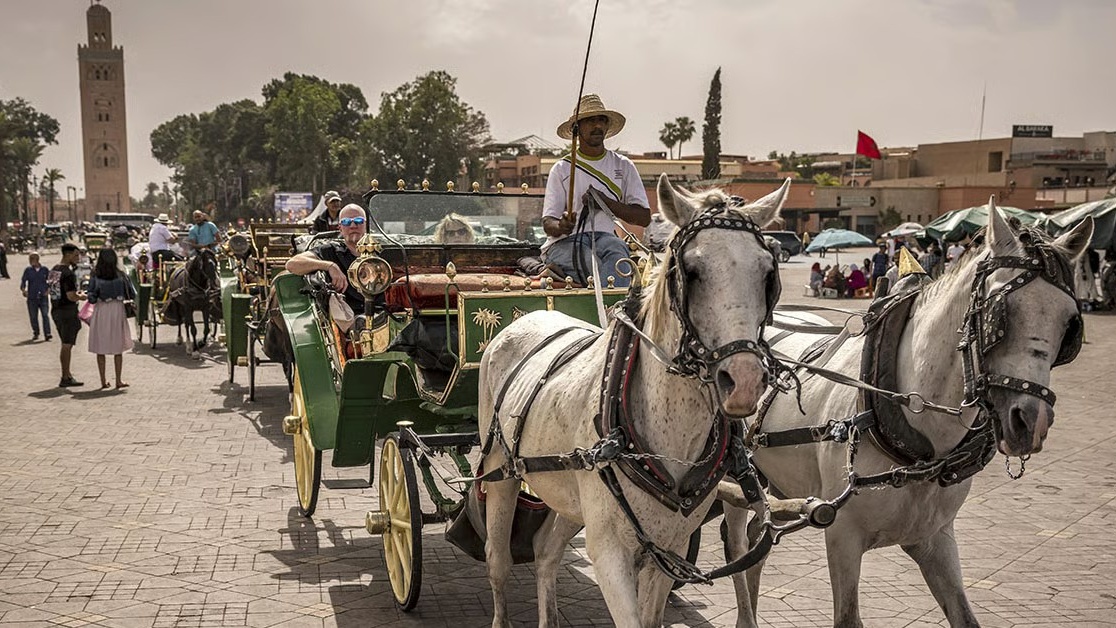
Morocco Tourism Hits 9.4 Million Visitors in First Half of 2026
<>
Morocco welcomed nearly 9,4 million visitors during the first half of 2026, according to official tourism indicators and sector reporting published in June 2026.
Market Drivers and Emitter Country Performance
The expansion in inbound travel numbers relies heavily on upward momentum from diverse geographic regions. French arrivals increased by 9%, while German visitors grew by 14%. Additional stability came from the United States and Belgium, which both recorded 9% gains, alongside a 10% increase from the Netherlands, 6% from Italy, and 4% from the United Kingdom. Poland emerged as the fastest-growing market segment, posting a 32% surge in arrivals.
This sustained influx translates directly into broader macroeconomic value. The tourism sector commenced 2026 with a value-added growth rate of +8,1% in the first quarter, following a comparable consolidation of 8,7% during the same period last year. Travel receipts neared 53,8 billion dirhams by the end of May, marking a 14,6% improvement over the corresponding totals recorded at the close of May 2025.
Accommodation Metrics and Regional Disparities
Overnight stays in classified hospitality establishments rose by 9% through the end of May, following a 12,4% increase recorded a year earlier.

Regional destinations capture varying shares of this hospitality growth. Marrakech led key urban and regional hubs with a 10% increase in overnight stays, followed by Agadir at 13% and Casablanca at 12%. Ouarzazate registered a notable 24% rise, Rabat advanced 18%, Tanger grew 8%, Fez increased 7%, Essaouira rose 6%, Errachidia climbed 8%, and Al Haouz recorded a 4% uptick.
Balancing Volume Growth with Ecological Pressures
Rapid visitor expansion places intense operational stress on municipal infrastructure, particularly in cultural capitals like Marrakech, where local stakeholders face a delicate balance between record-breaking tourist frequency and pressing ecological limits. Managing waste, water scarcity, and urban congestion demands rigorous environmental planning.
As the country prepares for major long-term milestones, including regional preparation targets leading toward 2030, localized hubs such as Marrakech-Safi are accelerating capital expenditures.