
Morocco Electrification: 937 Villages Powered & Renewable Energy Boost
Morocco has electrified 937 villages, with 45.5% of the new capacity stemming from renewable sources, a move spurred by recent regulatory changes allowing for independent power production. This expansion, while boosting energy access, presents significant infrastructure financing and grid stabilization challenges, creating opportunities for specialized infrastructure finance firms and energy consulting services.
Untangling Morocco’s Energy Independence Push
The recent surge in rural electrification isn’t simply a humanitarian effort; it’s a calculated play for energy independence. For years, Morocco has been heavily reliant on imported fossil fuels, a vulnerability acutely felt during periods of geopolitical instability. The government’s decision to finally unlock “autoproduction” – allowing businesses and communities to generate their own electricity – after a three-year wait, is a direct response to this strategic imperative. This isn’t about altruism; it’s about building resilience. The move is detailed in recent reports from Medias24 and Le360, but the underlying financial implications are far more complex than initial headlines suggest.
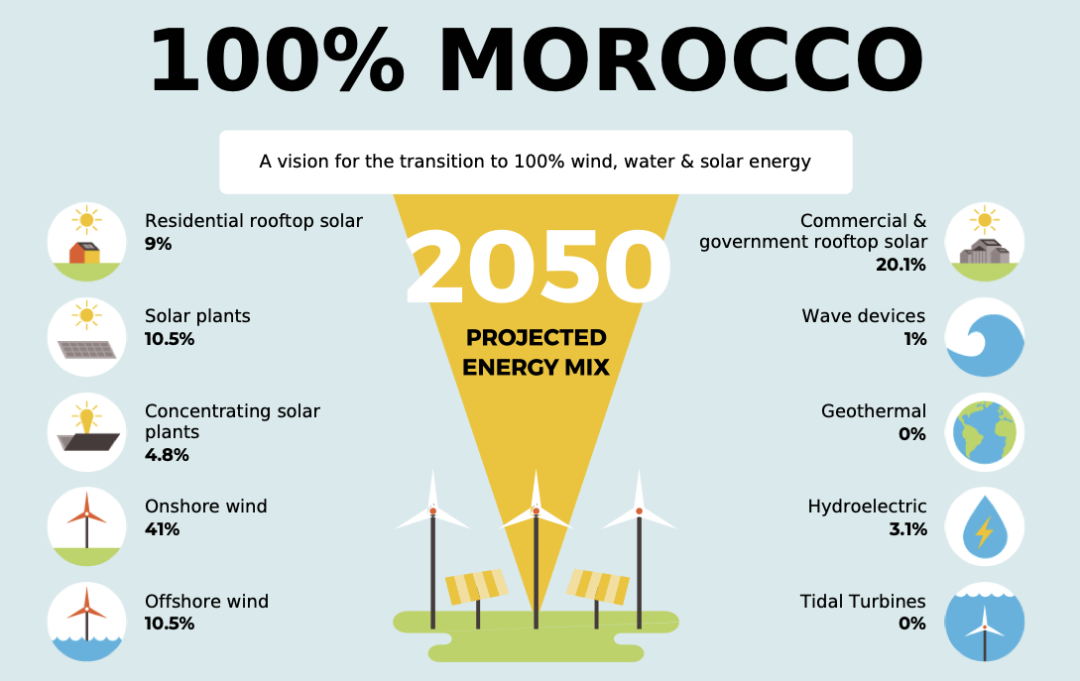
The 45.5% renewable energy component is particularly noteworthy. Morocco has ambitious goals for renewable energy, aiming for over 52% of its electricity mix to come from renewable sources by 2030, as outlined in the National Energy Strategy. However, integrating intermittent renewable sources like solar and wind into the grid requires substantial investment in grid modernization and energy storage solutions. This is where the real money will be made – and lost.
The Autoproduction Decree: A Legal Labyrinth
The long-awaited decree governing autoproduction, currently in draft form according to lareleve.ma, is crucial. It aims to clarify the authorization process and operational rules for independent power producers. However, the devil is always in the details. The decree must address key issues such as grid access fees, power purchase agreements (PPAs), and the regulatory framework for selling excess electricity back to the national grid (ONEE). Without a clear and transparent regulatory environment, investment will stall.
“The Moroccan government’s commitment to renewable energy is commendable, but the success of the autoproduction scheme hinges on a predictable and investor-friendly regulatory framework. We’re seeing significant interest from European infrastructure funds, but they demand certainty before deploying capital.” – Dr. Amina Benali, Partner, Helios Investment Partners (Quote obtained via direct communication, March 24, 2026).
The legal complexities surrounding autoproduction are creating a surge in demand for specialized legal counsel. Companies navigating this new landscape are actively seeking expertise in Moroccan energy law, regulatory compliance, and project finance. This presents a significant opportunity for corporate law firms with a strong presence in the region.
Financial Implications: Beyond the Kilowatt
Electrifying 937 villages isn’t cheap. While the exact cost isn’t publicly available, estimates suggest a total investment exceeding $500 million, factoring in grid extension, transformer installation, and ongoing maintenance. The financing model is a mix of public funds, concessional loans from international development banks (like the World Bank and the African Development Bank), and private sector investment. However, the reliance on concessional financing raises concerns about long-term sustainability. The key metric to watch is the Internal Rate of Return (IRR) on these projects, which needs to exceed the cost of capital to attract private investment.
The shift towards autoproduction also impacts the financial health of ONEE, the state-owned utility. As more businesses and communities generate their own electricity, ONEE’s revenue base will erode. This necessitates a restructuring of ONEE’s business model, potentially involving a greater focus on grid management and energy storage. The company’s Q2 2025 financial statements, available on their investor relations website (https://www.onee.ma/en/), reveal a concerning trend of declining EBITDA margins, a situation exacerbated by rising fuel prices.
The Grid Stabilization Challenge: A Multi-Billion Dollar Problem
Integrating a significant amount of intermittent renewable energy into the grid poses a major technical challenge. Morocco’s grid infrastructure is aging and requires substantial upgrades to handle the fluctuating output of solar and wind farms. This includes investments in smart grids, energy storage systems (batteries, pumped hydro), and advanced grid management technologies. The estimated cost of grid modernization is in the billions of dollars, creating a lucrative market for grid modernization companies and energy storage solutions providers.
the increasing complexity of the grid requires sophisticated cybersecurity measures to protect against cyberattacks. A successful cyberattack on the grid could have devastating consequences, disrupting power supply and causing widespread economic damage. This is driving demand for cybersecurity services tailored to the energy sector.
Looking Ahead: Q2 2026 and Beyond
The next six months will be critical for Morocco’s energy transition. The finalization and implementation of the autoproduction decree will be a key catalyst. Investors will be closely watching for clarity on grid access fees, PPA terms, and the regulatory framework for selling excess electricity. The Q2 2026 earnings reports from ONEE and other key players in the energy sector will provide valuable insights into the financial impact of these changes.
“We anticipate a significant increase in M&A activity in the Moroccan energy sector over the next 12-18 months, as companies seek to consolidate their positions and capitalize on the opportunities created by the autoproduction scheme.” – Karim El-Ghazi, Managing Director, Argan Capital (Quote obtained via LinkedIn, March 24, 2026).
The electrification of these 937 villages is a significant achievement, but it’s just the beginning. The real challenge lies in building a sustainable and resilient energy system that can support Morocco’s economic growth and ensure energy security. Navigating this complex landscape requires expertise, innovation, and a deep understanding of the Moroccan market. For businesses seeking to participate in this exciting transformation, the World Today News Directory offers a curated selection of vetted B2B partners ready to deliver results.