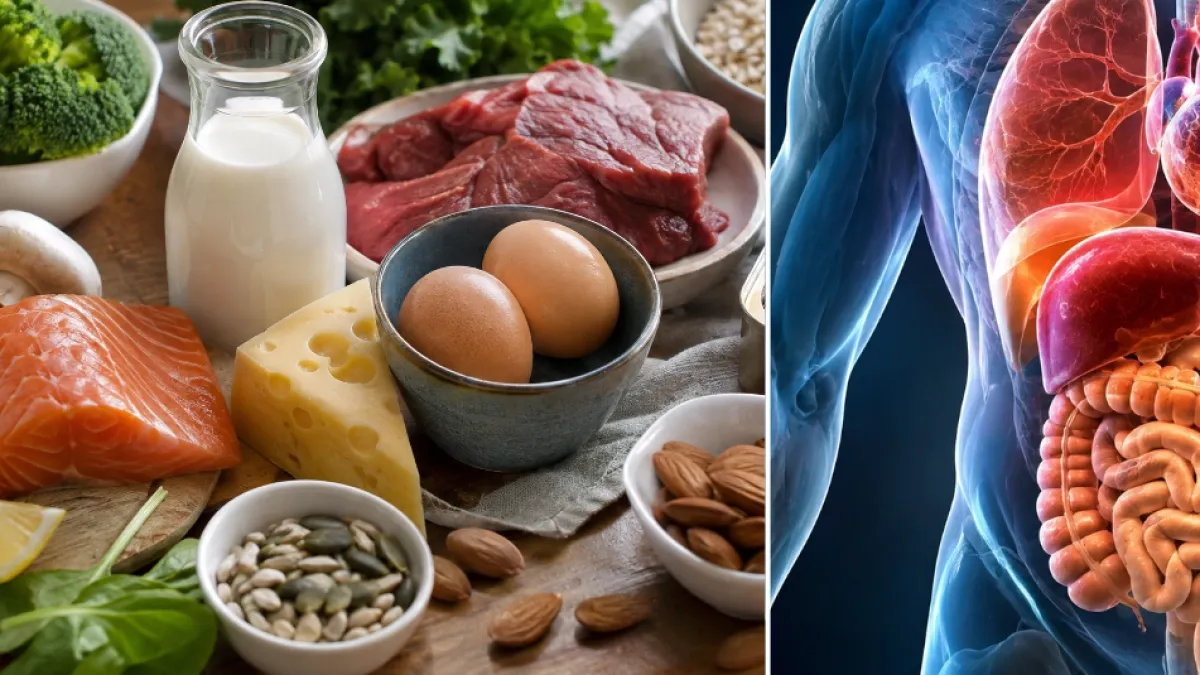
More Than Half the World Lacks Key Micronutrients: Iron, Calcium, Vitamin D, Iodine, Vitamin E
More than half the world’s population does not get enough of several essential micronutrients, according to research published in The Lancet Global Health, and the shortfalls cluster around five nutrients in particular: iron, calcium, vitamin D, iodine and vitamin E.
El Tiempo reported the findings this week, drawing on the analysis and on work by the World Health Organization, which identifies iron, vitamin A and iodine deficiencies among the most frequent globally, especially in children and pregnant women.
- Roughly 66% of the global population consumes too little calcium, and about 67% falls short on vitamin E, per the analysis published in The Lancet Global Health.
- More than 99% of participants in a US national health survey fell below recommended vitamin D intake from food and drink alone — though sunlight can fill the gap.
- Iron, iodine and vitamin D shortfalls carry the highest clinical stakes: oxygen transport, thyroid function and fetal brain development all depend on them.
Why half the world runs short on micronutrients
Micronutrients — vitamins and minerals needed in small amounts — drive hormone production, oxygen transport, tissue formation and immune function. When intake falls below recommended levels over long periods, the deficits compound quietly, often without early symptoms, and raise the risk of conditions such as anemia, osteoporosis and thyroid disease.
The scale of the problem is the finding itself. The Lancet Global Health research found that more than half of the global population has insufficient intake of various essential micronutrients, El Tiempo reported. The Harvard team found the pattern is not confined to poorer regions: low calcium intake was identified in southern and eastern Asia and sub-Saharan Africa, but also in North America, Europe and Central Asia.
Iron carries oxygen via hemoglobin proteins
Iron is the raw material for hemoglobin, the protein in red blood cells that carries oxygen from the lungs to body tissue. Iron deficiency is one of the most widespread nutritional problems in the world, according to the US Centers for Disease Control and Prevention, and intake matters most during periods of growth and pregnancy, when demand rises.
Calcium’s 66% shortfall
Calcium builds and maintains bone. Sustained low intake compromises skeletal health and increases osteoporosis risk. The analysis put insufficient calcium intake at approximately 66% of the world’s population, with the lowest intake levels in southern and eastern Asia and sub-Saharan Africa — though, as the researchers found, the gap extends well beyond those regions.
Vitamin D: the 99% food-intake gap
Vitamin D enables calcium absorption and supports muscle function and immune processes. An analysis based on the US National Health and Nutrition Examination Survey found that more than 99% of participants did not reach recommended vitamin D intake through food and beverages.
That figure refers only to dietary intake, El Tiempo reported. It does not mean 99% of people are deficient in the nutrient itself, because the body also produces vitamin D when skin is exposed to sunlight — a distinction the researchers flagged to prevent misreading the data.
Iodine, the thyroid and fetal brain development
Iodine is required to produce thyroid hormones, which regulate metabolic processes. It plays a central role in brain development during pregnancy and early childhood. Severe deficiency can cause irreversible brain damage, and in pregnancy it can raise the risk of spontaneous abortion and congenital anomalies, El Tiempo reported, citing the research.
The WHO’s identification of iodine as one of the three most common global deficiencies — alongside iron and vitamin A — reflects both how widespread the gap is and how concentrated the consequences are in children and pregnant women.
Vitamin E protects cells from free radical damage
Vitamin E acts as an antioxidant, protecting cells from damage by free radicals, which can affect cellular structures. Approximately 67% of the world’s population does not consume enough of it, according to the analysis. Early-stage clinical deficiency may produce no obvious symptoms, which makes the shortfall easy to overlook even as the nutrient performs its protective work.
What the findings leave open
The research identifies intake shortfalls, not diagnosed deficiencies. Food intake data cannot capture sunlight-derived vitamin D, and clinical deficiency requires biochemical confirmation. The sources do not report on supplementation trials, country-level intervention results, or updated dietary guidance tied to these findings, and none of the material names individual researchers or study funding.
Practically, the path the research points to is dietary: a varied, balanced diet covering iron, calcium, iodine, vitamin E and vitamin D remains the standard way to meet micronutrient requirements, El Tiempo reported.
People who suspect a deficiency — persistent fatigue, bone or muscle symptoms, or known risk during pregnancy — can discuss testing with a physician or a registered dietitian, who can order laboratory work to confirm levels before any supplementation begins.
The global intake analysis, published in The Lancet Global Health, stands as confirmation that micronutrient insufficiency is a worldwide problem rather than a regional one — with the WHO continuing to list iron, vitamin A and iodine deficiencies among the most frequent globally, particularly in children and pregnant women.
Disclaimer: The information provided in this article is for educational and scientific communication purposes only and does not constitute medical advice. Always consult with a qualified healthcare provider regarding any medical condition, diagnosis, or treatment plan.