More Local Credit Unions & Savings Cooperatives Withdraw Central Bank Deposits to Meet Customer Withdrawal Demands
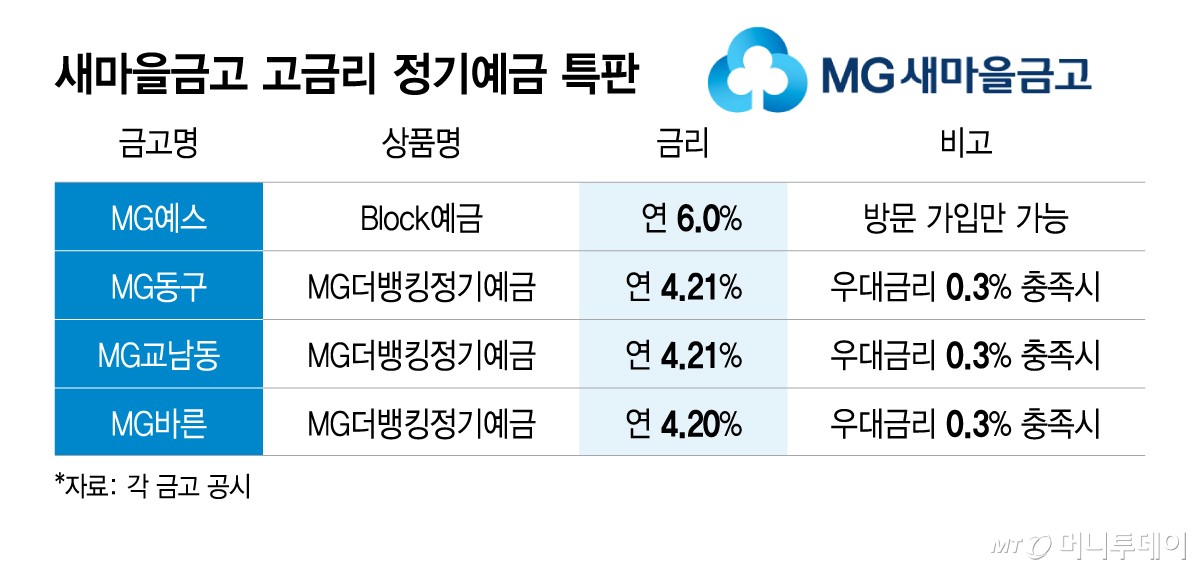
South Korea’s mutual finance sector is facing a liquidity crunch as retail depositors abandon fixed-income products offering 4% annual yields. With individual credit unions and cooperatives struggling to maintain capital reserves, aging investors are pivoting toward equity markets, forcing a structural shift in household wealth management and credit risk across the peninsula.
The flight from traditional savings vehicles marks a significant pivot in the domestic financial landscape. For decades, the safety of local credit unions served as the bedrock for conservative, aging investors. Today, that stability is eroding. As depositors pull funds to seek higher growth, the individual cooperatives are being forced to liquidate central bank deposits and bond holdings to meet withdrawal demands. This creates a reflexive cycle: the more liquidity these institutions bleed, the more they must offload assets at potentially unfavorable valuations to maintain solvency ratios.
The Erosion of Yield and the Equity Pivot
Investors are no longer satisfied with the marginal returns provided by regional credit cooperatives. In an environment where inflation and market volatility have reset expectations, a 4% yield is increasingly viewed as an opportunity cost rather than a safe haven. This migration of capital is not merely a retail trend; We see a signal of deteriorating trust in local deposit-taking institutions. When the cost of capital rises, firms often turn to specialized financial advisory firms to restructure debt and manage liquidity risk, and the current environment for Korea’s cooperatives is no different.
The shift toward equity markets among the older demographic introduces a layer of systemic volatility that the Korean market has not fully priced in. Aging investors, traditionally risk-averse, are now exposed to the beta of the broader market. This transition requires sophisticated oversight and robust risk management frameworks. Without professional guidance, this demographic shift risks creating localized bubbles and forced selling during market drawdowns.
“The migration of capital from mutual finance to public equity markets is not a momentary fluctuation; it is a fundamental shift in the risk appetite of the Korean retail sector. Financial institutions that fail to adapt their product offerings to this new reality will find their liquidity buffers permanently compromised.” — Institutional Market Strategist
Liquidity Strains and the Bond Sell-Off
The reliance on bond portfolios to bridge the gap between deposit outflows and long-term asset maturity is proving to be a precarious strategy. As these cooperatives dump bonds to generate cash, they risk crystallizing losses that were previously hidden on their balance sheets. This dynamic is a classic liquidity trap: the institution needs cash to cover deposits, but the act of raising that cash through asset sales further degrades their capital adequacy ratios.
Managing this transition requires a level of operational agility that many smaller cooperatives lack. Firms facing such acute pressure often require external intervention to survive the quarter. Engaging corporate restructuring experts is no longer an option but a survival imperative for credit unions struggling to reconcile their balance sheets. These services provide the necessary diagnostic tools to identify which assets to divest and which to hold, effectively insulating the institution from total liquidity collapse.
Market Implications for the Coming Fiscal Quarters
- Yield Compression: The scramble for liquidity will likely suppress bond prices further as cooperatives act as forced sellers.
- Institutional Rebalancing: Expect a shift in asset allocation strategies as mutual finance leaders attempt to stem the outflow by pivoting to higher-yielding, higher-risk instruments.
- Regulatory Tightening: With liquidity buffers thinning, expect the financial regulators to demand more transparent reporting on asset-liability management (ALM) in the coming months.
The volatility inherent in this shift presents a clear challenge for business leaders. As the mutual finance sector navigates this liquidity squeeze, the need for precise, data-driven decision-making has never been higher. Executives must now lean on risk management consulting services to model the potential impact of sustained deposit outflows on their long-term solvency. Ignoring the trend is a luxury that no firm in the sector can currently afford.

the trajectory of the Korean market depends on the resilience of these cooperatives. If they can successfully pivot their investment strategies and retain their deposit base, the sector may stabilize. If not, the current ripple of liquidity withdrawals will likely manifest as a broader systemic challenge. For those navigating this uncertainty, identifying the right partners is the only way to mitigate exposure. Explore the World Today News Directory to connect with vetted B2B partners who specialize in navigating complex market transitions and liquidity crises.