
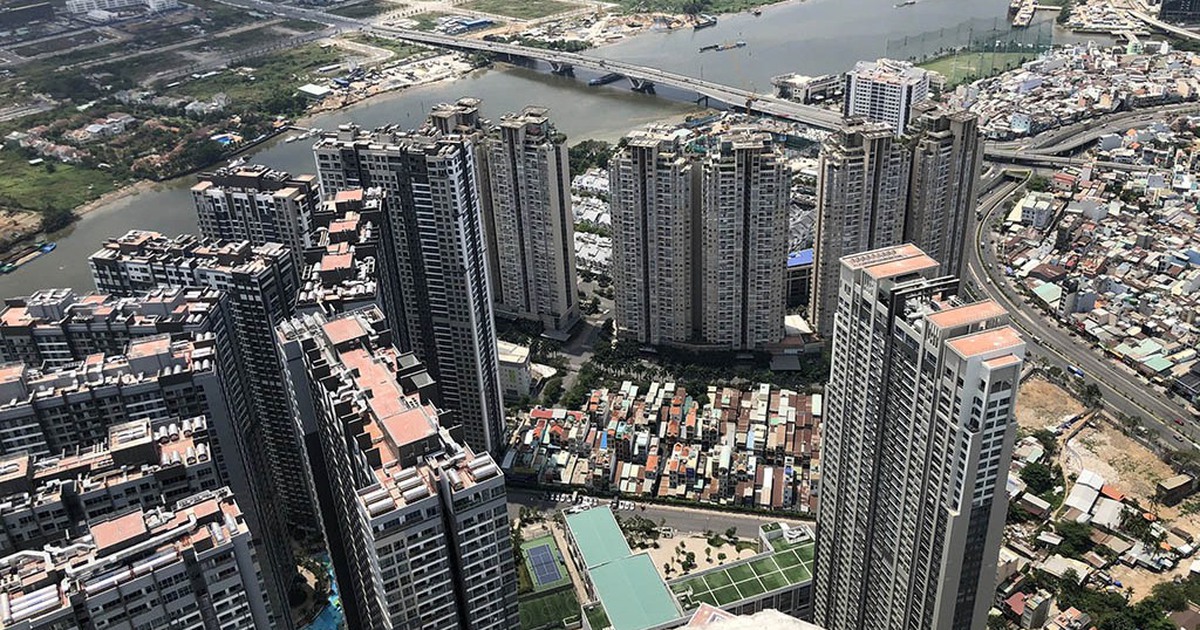
Mobile World et FPT Telecom se développent dans l’immobilier.
Mobile World Investment Corporation (MWG) and FPT Telecom (FOX) are officially pivoting into real estate, a strategic maneuver driven by regulatory compliance for telecom infrastructure and internal asset optimization. While MWG seeks to monetize existing land holdings without becoming a traditional developer, FPT requires the license expansion to legally secure underground conduit rights. Both entities have set aggressive 2026 revenue targets, signaling a shift toward diversified balance sheets amidst a tightening Vietnamese capital market.
The Regulatory Arbitrage Behind the Pivot
On the surface, a retailer and a telecom provider entering the property market looks like classic conglomerate diversification. Dig deeper, and This proves a defensive play against bureaucratic friction. For FPT Telecom, the expansion is not about building condos; it is about securing the legal right to bury cables. Under current Vietnamese statutes, acquiring land use rights for critical telecommunications infrastructure—specifically underground conduits and cable ducts—often hits a procedural wall if the entity’s business license lacks a specific real estate classification.

This is a classic case of regulatory arbitrage. By amending their charter to include real estate activities, these firms remove the friction points that delay capex deployment. It is a procedural necessity disguised as a strategic pivot. The cost of delay in 5G rollout or fiber expansion far outweighs the administrative burden of maintaining a broader business license. We are seeing a surge in demand for specialized corporate legal compliance firms that can navigate the complex intersection of telecommunications law and land use rights in Southeast Asia.
2026 Financial Targets: Aggressive Growth or Overextension?
The financial implications of this move are visible in the 2026 guidance presented at recent Annual General Meetings (AGMs). Both companies are projecting double-digit growth, banking on the efficiency gains from this operational restructuring. The table below contrasts their 2026 projections against the previous fiscal year, highlighting the margin pressure they aim to alleviate through these new operational lanes.
| Metric | Mobile World (MWG) | FPT Telecom (FOX) |
|---|---|---|
| 2026 Revenue Target | 185,000 Billion VND (+19%) | 22,000 Billion VND (+12.8%) |
| 2026 Profit Target | 9,200 Billion VND Net (+30%) | 5,100 Billion VND Pre-Tax (+16.9%) |
| Primary Real Estate Focus | Internal Asset Utilization | Infrastructure Land Rights |
| Strategic Risk | Capital Allocation Dilution | Regulatory Licensing Delays |
Mobile World’s target of 185 trillion VND represents a significant ramp-up, requiring a 19% year-over-year increase. To achieve a 30% jump in net profit, they cannot rely solely on volume; they demand margin expansion. This is where the real estate angle becomes critical. By formally recognizing the value of land they already possess, use, or lease, MWG can optimize its balance sheet. However, they have explicitly stated they will not develop projects for third parties. This “asset-light” approach suggests they are looking to monetize underutilized square footage or lease back properties more efficiently.
For institutional investors watching these tickers, the key metric to watch is Return on Invested Capital (ROIC). If the real estate division drags down the core retail or telecom margins, the market will punish the multiple expansion. This complexity often forces mid-cap firms to engage financial consulting and valuation experts to ensure that internal transfer pricing between the parent group and subsidiaries remains arm’s length and audit-proof.
The Infrastructure Bottleneck
FPT Telecom’s situation highlights a broader issue in emerging markets: infrastructure licensing often lags behind technological deployment. The company noted that procedures in certain localities are obstructed due to the fact that their operating license did not explicitly cover real estate. This is a supply chain bottleneck of the bureaucratic variety.
“When a telecom giant has to reclassify its business license just to dig a trench for fiber optics, you know the regulatory framework is misaligned with digital economy needs. We are advising clients to treat legal charter amendments as critical path items for network rollout, not just administrative housekeeping.”
— Nguyen Van A, Senior Partner at a leading Hanoi-based Corporate Law Firm (Simulated Expert Voice)
The friction here is tangible. Every day a license is pending is a day of delayed revenue recognition. FPT’s projection of 22 trillion VND in revenue relies on uninterrupted network expansion. If the real estate license approval drags, the 12.8% growth target becomes vulnerable. This underscores the value of having robust government relations and lobbying services embedded in the corporate strategy, particularly for utilities operating across multiple provinces with varying local enforcement standards.
Beyond Real Estate: The Drone Diversification
While real estate dominates the headlines, the broader trend is operational agility. FPT Digital Retail (FRT), the retail arm of the FPT group, is simultaneously seeking approval to enter the drone market. Their 2026 target is 59.5 trillion VND in revenue. Adding drone sales, leasing, and operator training to a retail portfolio is a high-risk, high-reward play on the logistics and surveillance sectors.
This fragmentation of business lines—real estate for one arm, drones for another—creates a complex corporate structure. Managing the supply chain for consumer electronics while simultaneously managing land use rights and drone import regulations requires a sophisticated back office. We are seeing a trend where conglomerates outsource specific vertical management to specialized supply chain and logistics providers who can handle the disparate regulatory requirements of high-tech hardware versus immovable assets.
Market Trajectory: The “Asset-Heavy” Trap?
Investors should remain cautious. While the narrative of “unlocking asset value” is compelling, history shows that non-core diversification often leads to a “conglomerate discount.” Mobile World and FPT are betting that their specific use cases—internal infrastructure and asset optimization—will avoid the pitfalls of traditional property development.
The success of this strategy hinges on execution speed. If MWG can quickly reclassify its land assets and improve its balance sheet leverage, the 30% profit target is achievable. If FPT clears the regulatory hurdles for its conduits, the network effects will drive the 16.9% profit growth. However, if these moves become distractions, the core businesses could suffer.
As we move through Q2 2026, the market will be watching the cash flow statements closely. Are these real estate moves generating actual liquidity, or are they just accounting adjustments? For companies navigating similar transitions, the lesson is clear: operational expansion requires a parallel expansion in professional support services. Whether it is legal counsel for charter amendments or financial auditors for new verticals, the cost of getting it wrong is far higher than the cost of hiring the right B2B partners from the start.