MIT CEEPR study says utility-scale solar slightly decreases electricity bills
MIT CEEPR Study Analyzes Renewable Energy Integration Costs on State Grids
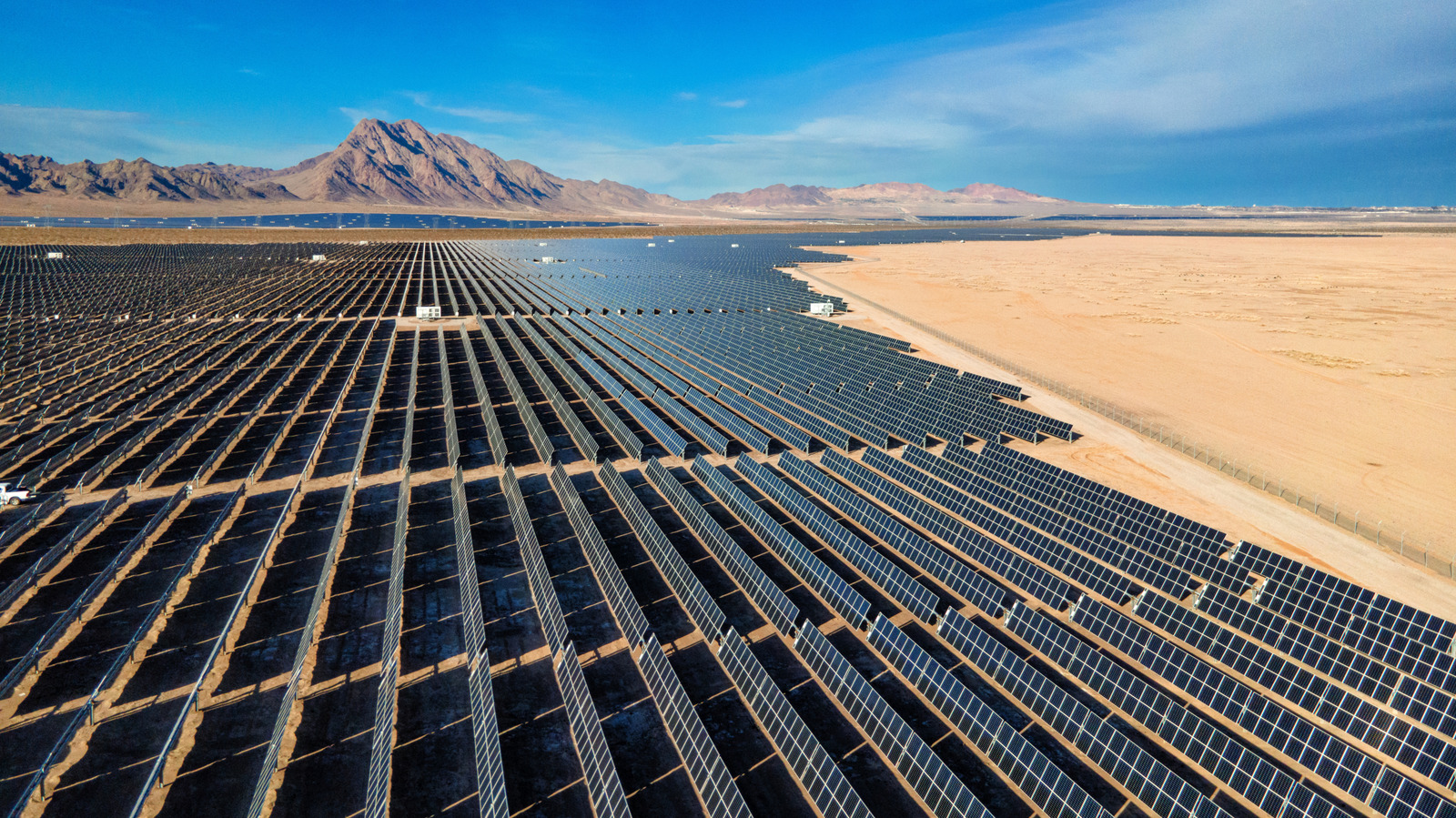
Utility-scale solar farms slightly decrease consumer electricity bills on average, while rooftop solar installations correlate with minor price increases, according to a recent study from MIT’s CEEPR (Center for Energy and Environmental Policy Research). The research examined how consumer energy bills changed after connecting various forms of renewable energy to state power grids, challenging the long-standing argument that large-scale solar generation universally drives up customer costs.
The Tech TL;DR:
- Utility-scale solar farms reduce input operational costs because they require no piped or transported fuel, which researchers found translates into slightly lower average electricity bills for consumers.
- Rooftop solar installations correspond with higher electricity prices as utilities pass on the costs of maintaining two-way grid distribution and compensating homeowners for surplus power export.
- States with the largest utility-scale solar deployment experienced the most pronounced drops in electricity costs, whereas states with high rooftop generation saw prices rise.
Operational Cost Reductions Drive Utility-Scale Savings
Large-scale solar installations bypass the recurring fuel acquisition expenses associated with conventional fossil-fuel power plants. Because solar input costs drop effectively to zero, energy providers save on total operation and maintenance overhead, passing those savings directly to customers through reduced utility bills. States that aggressively expanded large-scale solar capacity documented the sharpest decreases in overall electricity expenses. Conversely, rooftop solar arrays introduced complex grid modernization challenges. Homeowners with rooftop panels frequently exported surplus electricity back to the grid, requiring energy companies to fund extensive infrastructure upgrades for two-way power distribution. Utilities recovered those system maintenance and compensation expenses by raising rates for residential customers without solar panels.
Ecosystem Effects Surrounding Large-Scale Solar Arrays
Beyond financial metrics, large utility installations impact surrounding environments in measurable ways. Independent research involving China’s largest solar farm demonstrated that soil quality improved directly beneath and around the panel arrays, fostering measurable growth in local plant and microbial life. However, operations and maintenance requirements remain a constant factor for grid administrators, who must periodically clean panels and manage hardware degradation across expansive acreage.
# Example CLI check for solar generation output vs grid load
curl -X GET "https://api.energy-grid.example/v1/metrics/solar-output"
     -H "Authorization: Bearer PRODUCTION_TOKEN"
     -H "Content-Type: application/json"