Mistrial Declared in Lindsay Clancy Child Murders Trial After Jury Deadlocks
The outcome on the seventh day of deliberations leaves the high-profile case unresolved and opens the door for prosecutors to pursue a retrial.
Deadlocked Jury and Emergency Appeals in Plymouth Court
Judge William Sullivan ended the trial after jurors sent a note for the third time indicating they could not reach a unanimous verdict on the charge of criminal responsibility, as reported by the Associated Press. Deliberations hit a major obstacle when the jury foreperson informed the court that a single holdout was refusing to follow instructions regarding reasonable doubt. Defense attorneys mounted an emergency appeal to stop the mistrial, but the state’s top court denied it.
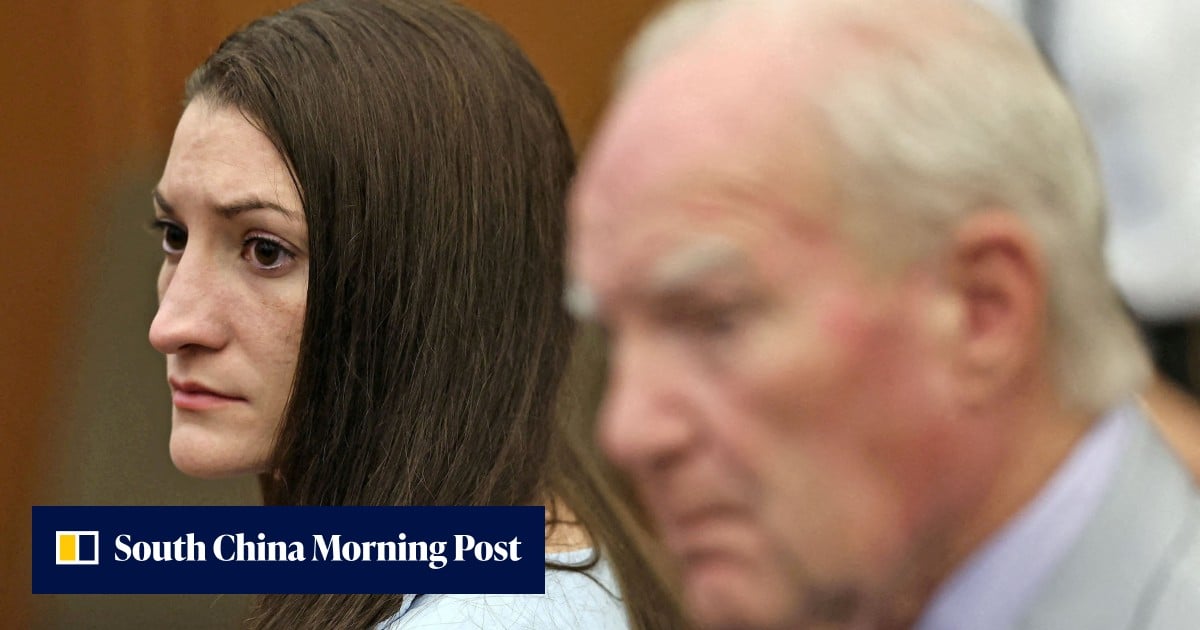
Neither Clancy nor her family members showed visible emotion when the mistrial was officially announced in the courtroom. Plymouth County District Attorney Timothy Cruz stated that prosecutors have not yet made an immediate decision regarding whether to seek a second trial. When legal proceedings involve catastrophic events and high-conflict liability questions, affected families and municipal systems often turn to specialized legal advisory and litigation support services to manage complex evidentiary burdens.
Medical Testimony Clashes Over Postpartum Psychosis
The core of the legal battle centered on Clancy’s mental state at the time of the killings on January 24, 2023. Defense attorney Kevin Reddington argued that Clancy suffered from a severe episode of postpartum psychosis—a rare mental health emergency estimated to afflict 1 to 2 per 1,000 women after childbirth, according to Cleveland Clinic experts cited by the Associated Press. Reddington maintained that his client was completely detached from reality when she strangled five-year-old Cora, three-year-old Dawson, and eight-month-old Callan using exercise bands before attempting suicide by jumping from a second-story window, leaving her paralyzed from the waist down.
Conversely, prosecutors contended that Clancy understood the nature of her actions. During 21 days of testimony, the state presented forensic psychologist Kirk Heilbrun, who testified that he did not believe Clancy was experiencing acute psychosis during the killings, suggesting instead that she acted to prevent the children from suffering. Meanwhile, defense witness Dr. Phillip Resnick, a forensic psychiatrist, testified that Clancy was clearly psychotic and acting like a puppet whose strings were pulled by an external force.
Public Reaction and the Path Forward for the Prosecution
Outside the Plymouth courthouse, reactions to the mistrial were sharply divided. Defense attorney Kevin Reddington expressed bitter frustration toward the holdout juror, telling reporters that the panel had been robbed of a verdict after seven weeks of attentive service. District Attorney Timothy Cruz defended his trial team, led by prosecutors Shanan Buckingham and Jennifer Sprague, emphasizing that the case has always focused strictly on seeking justice for the three children rather than debating broader healthcare system flaws.

As the legal system weighs its next steps, communities dealing with severe maternal mental health crises and profound family tragedies often rely on community-based mental health and crisis intervention resources alongside victim advocacy and support organizations to navigate the systemic fallout. District Attorney Cruz confirmed that prosecutors remain undeterred by public sentiment as they evaluate whether to bring the case before a new jury.