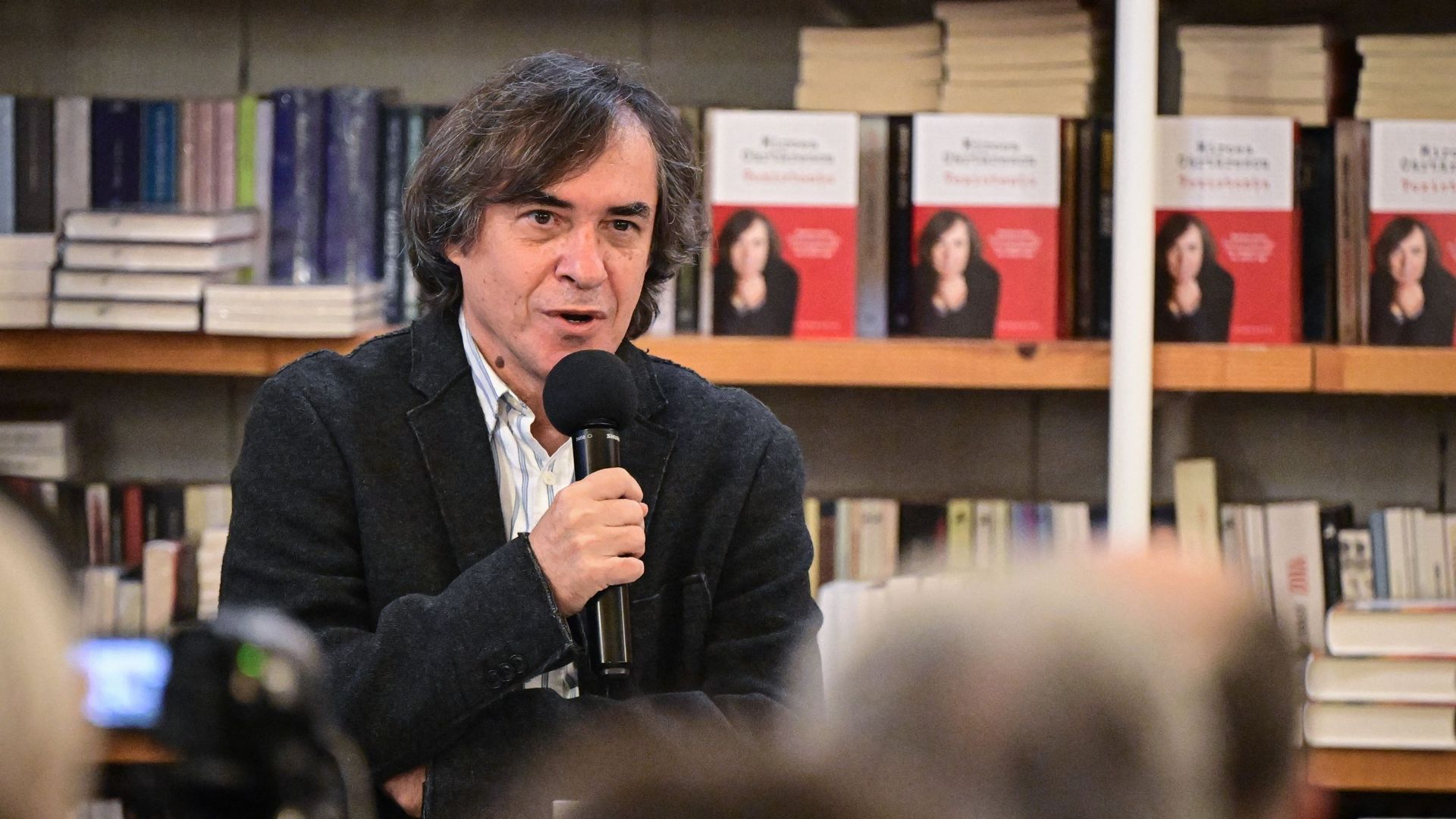
Mircea Cărtărescu compares literature to a bandage
In these terrifying times, literature acts like a bandage on a wound, according to Romanian writer Mircea Cartarescu. reported that the 70-year-old author made the remark during the launch of his new book of aphorisms on writing on October 22, 2026, in a bookstore in Bucharest, pointing to a world threatened by wars, social tensions, climate change, and ideological confusion.
Weighing the Present Against Past Trauma
Cartarescu described an era where people face threats from so many sides that they no longer know what to protect themselves against. At 70, he is Romania’s most translated contemporary writer and a regular contender for the Nobel Prize in Literature. noted that he compares the current global climate to the period preceding the Second World War, adding the risks of artificial intelligence as the greatest threat to humanity. He has stated that he will never use AI in his texts nor read a book written with it.
Born in Bucharest in 1956 into a Romania marked by poverty and famine, Cartarescu sought refuge in literature early in life. He is a lover of Bob Dylan, having translated the singer's 100 most beautiful songs into Romanian, and describes himself as a beatnik and a liberal in the broadest sense of the term. His work is haunted by a foundational trauma: the death of his twin brother when they were only 18 months old. He attributes the loss to the dreadful conditions in which his parents lived in a damp room in a working-class Bucharest neighborhood. It is the most obscure period, the one that intrigues me the most, he confided, adding that almost everything he has written is linked to it.

Shifting Away from the Novel Format
The author is best known for sprawling works, including the 632-page historical fresco Theodoros published in 2022, which traced the rise of a servant’s son who became an emperor. He has stated that he never wrote to publish books, but to live inside them. Since completing that project, he did not feel the urgency to launch into a new novel.
Instead, he is working on a new project that he emphasizes is not a novel in the strict sense. He describes it as something he has never written before and doubts anyone else has either. Over decades, his output has included major labyrinthine texts like Solénoïde and the Orbitor trilogy, which he compares to the work of termites building nests without knowing what the final structure will look like.
Disillusionment and the Turn to Writing
The fall of Nicolae Ceausescu’s totalitarian regime on December 22, 1989, brought decades of privations to an end, marking the happiest day for him and all Romanians. In the years following, he defended judicial independence and protested against post-communist drifts. Yet, with time and particularly since the 2020 COVID-19 pandemic, he lost hope in the political sphere and chose to dedicate himself entirely to writing. In a published diary, he condemned the rise of a far-right candidate during Romania’s 2024 presidential election as a collective madness.