
Indonesia’s Nickel Hub Faces Environmental Reckoning
Industrial Park Accused of Rampant Violations
An Indonesian industrial park, vital to the global electric vehicle supply chain, is under scrutiny. The sprawling Indonesia Morowali Industrial Park (IMIP) is facing serious accusations of environmental breaches, including illegal land clearing and dangerous pollution levels, prompting legal action and raising concerns about the ecological cost of the nickel industry.
Government Uncovers Widespread Violations
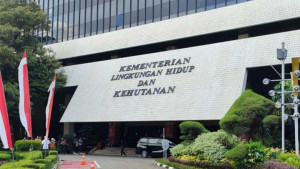
The Indonesian Ministry of Environment has revealed substantial environmental violations at the IMIP, a significant nickel-based industrial zone in Central Sulawesi. The infractions involve illegal land clearing, the operation of unlicensed facilities, improper waste disposal, and the presence of excessively high pollution levels.
…original tweet embed code…
Hanif Faisol Nurofiq, the Minister of Environment, stated several operational facilities within IMIP were not listed in the approved Environmental Impact Assessment (AMDAL) documents.
“This is a major concern. PT IMIP, as the area’s managing body, must comply with environmental approvals. All unapproved activities must be halted immediately,”
—Hanif Faisol Nurofiq, Minister of Environment
Indonesia’s nickel production is projected to increase significantly in the coming years, reflecting the global demand for electric vehicle batteries (International Energy Agency, 2024).
Details of the Environmental Breaches
Unauthorized land clearing of approximately 179 hectares near the industrial park was found, in addition to over 1,800 hectares being used for industrial activities without the required AMDAL documentation. Illegal stockpiling of nickel slag and tailings on more than 10 hectares, with volumes exceeding 12 million tons, was also reported.
Furthermore, the ministry identified the absence of a centralized wastewater treatment plant (IPAL) within the industrial zone, resulting in untreated industrial wastewater polluting surrounding ecosystems. Air quality monitoring results showed ambient dust (TSP) and PM10 levels exceeding national standards, while investigations revealed that 24 emission sources from tenant companies lacked required Continuous Emissions Monitoring Systems (CEMS).
At the Bahomakmur Integrated Waste Processing Facility (TPST), operations were found running without proper environmental approval, and leachate from unmanaged waste was identified as a pollution risk to neighboring areas. The environment ministry, led by Deputy Minister for Environmental Law Enforcement, Rizal Irawan, will initiate legal actions against the violators.
Government Response and Future Actions
The government plans to impose administrative sanctions, including government coercion and fines, along with a comprehensive environmental audit of the entire IMIP zone. Legal actions, both criminal and civil, will be pursued for the illegal tailings storage, signifying the government’s commitment to holding industrial actors accountable for environmental degradation.
These findings at IMIP, which houses 28 operating companies and 14 under construction, emphasize growing worries about the environmental implications of Indonesia’s expanding nickel industry. This sector is becoming increasingly critical to the world’s electric vehicle supply chain.
