Minister Mohamad Sabu: Agrofood Policy Targets 13% Import Bill Cut by 2030
Minister Mohamad Sabu's Agrofood Policy 2021-2030 targets a 13 per cent cut to Malaysia's annual import bill by 2030.
Holdings of 1.05 million tonnes of physical rice stockpiles help secure Malaysia’s food supply amid rising import costs.
- Malaysia ranks 10th out of 60 countries on the inaugural Resilient Food Systems Index released this year.
- The country spent RM93.7 billion last year on importing key staples including mutton, beef, rice, and temperate vegetables.
- Agriculture and Food Security Minister Datuk Seri Mohamad Sabu announced a target to reach 10 tonnes of padi per hectare by 2030 in Muda Agricultural Development Authority areas.
Malaysia secures 10th place out of 60 nations on the inaugural Resilient Food Systems Index released this year. The country maintains 6.23 months of physical rice stockpiles totaling 1.05 million tonnes to guarantee short-term availability and keep prices steady. Self-sufficiency extends to 23 commodities, covering poultry, fish, duck meat and eggs, and tropical fruits.
Despite these measures, the country faces a substantial import bill for essential goods. Last year, Malaysia spent RM93.7 billion on imports including mutton, beef, rice, and temperate vegetables. Import dependency stands at 90.7 per cent for mutton and 82.6 per cent for beef, alongside a 45 per cent dependency for rice.
Local agriculture depends on imported fertilizer and remains sensitive to fluctuations in feed prices. Extreme weather events, such as floods and a forecasted Super El Niño next year, have already pushed padi output 4.5 per cent below the national five-year average this year.
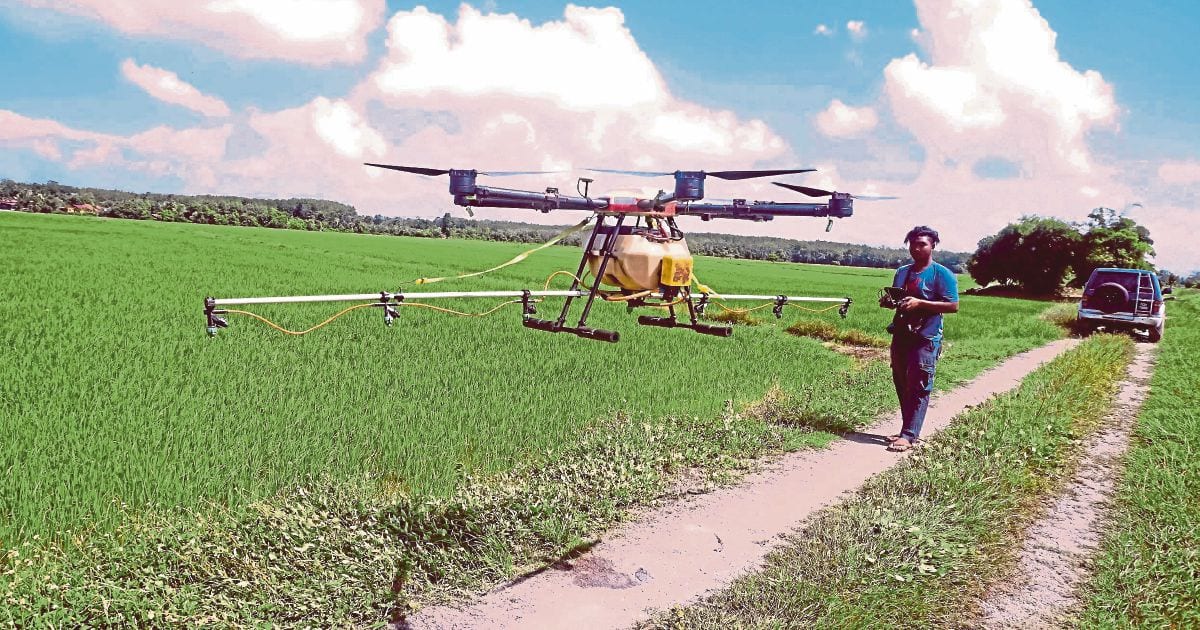
To address these vulnerabilities, the National Agrofood Policy 2021-2030 aims to reduce the annual import bill by 13 per cent over the next decade. Agriculture and Food Security Minister Datuk Seri Mohamad Sabu announced a plan to lift padi yields in Muda Agricultural Development Authority areas to 10 tonnes per hectare by 2030, utilizing modern technology, drones, technical and vocational education, and better fertilization practices.
Mada covers 100,685 hectares across Kedah and Perlis, representing the nation’s largest granary area and accounting for 40 per cent of its rice production. Current yields in Mada areas average between five and 5.22 tonnes per hectare, marking a two per cent increase in the latest season.
Authorities continue to provide RM2.6 billion in subsidies for local production, adding RM500 for farmers for each extra tonne per hectare. Achieving the 2030 target requires rapid, widespread modernization across Mada operations, better preparation against adverse weather, and new strategies to attract younger generations to farming.