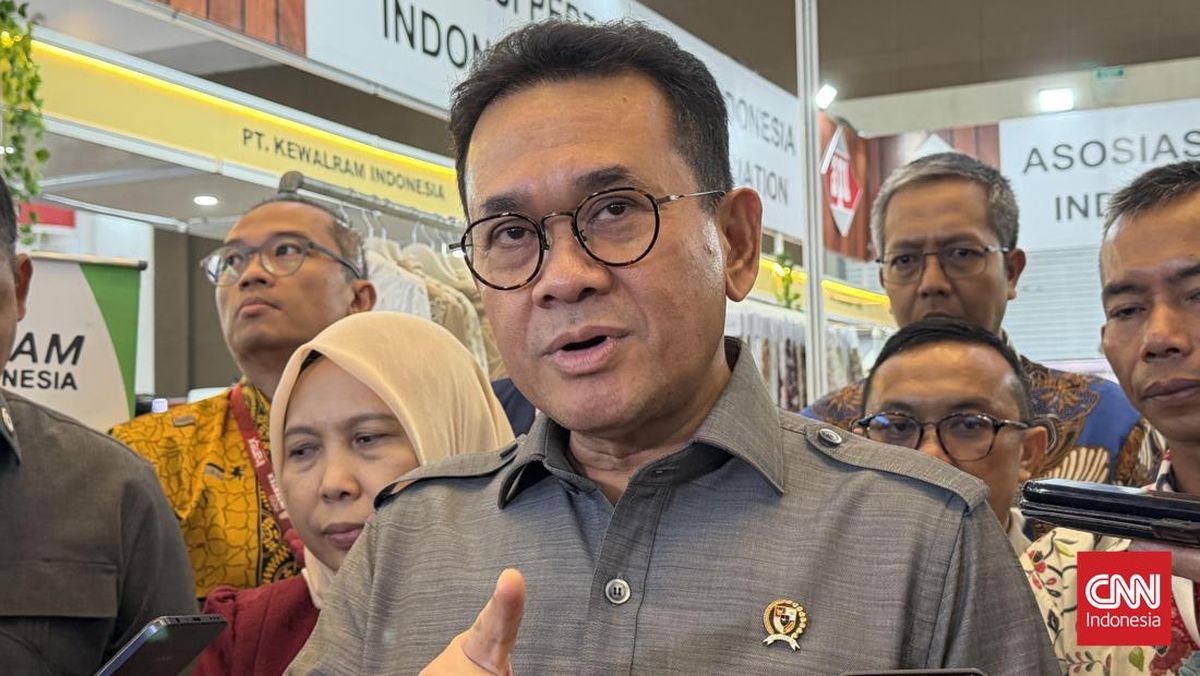
Minister Explains Alfamart and Indomaret Minimarket Closures in Lombok
In Lombok, Indonesia, municipal authorities have shuttered 25 minimarket outlets, including branches of Alfamart and Indomaret, citing regulatory non-compliance regarding proximity to traditional markets. The closures have triggered a national debate over retail expansion, prompting ministerial intervention to address the friction between modern corporate growth and local economic protectionism.
The Regulatory Friction at the Local Level
The recent enforcement actions in Lombok Tengah represent a recurring flashpoint in Indonesian retail development. Local Satpol PP (Public Order Enforcers) units have moved to seal several locations, specifically targeting stores deemed to be operating in violation of zoning laws that restrict the proximity of modern minimarkets to traditional, community-run markets.

This is not merely a matter of zoning; it is a fundamental clash of business models. Traditional markets serve as the lifeblood of local economies, providing livelihoods for small-scale vendors who lack the supply chain advantages of global-scale retailers. When a major chain enters these micro-economies, the sudden shift in foot traffic and pricing power often leads to immediate calls for government intervention.
For business operators and property owners, navigating these regulatory landscapes has become increasingly precarious. When local ordinances shift, the risk of summary closure poses a direct threat to capital investment. Organizations facing such sudden administrative hurdles are often required to engage specialized administrative law counsel to verify compliance with local bylaws and protect their operational rights.
Ministerial Oversight and the National Narrative
The central government, led by the Minister of Trade, has stepped into the fray, urging local governments to adopt a more balanced approach. The Ministry’s position emphasizes that while local governments have the authority to regulate, such power must be exercised without stifling the broader retail environment, which remains a cornerstone of the national economy.

The impact of this regulatory uncertainty is already visible in the financial sector. Markets have reacted sensitively to these localized lockdowns, with public sentiment regarding retail expansion showing signs of volatility. Investors and stakeholders are closely monitoring how the Ministry of Trade reconciles the autonomy of regional administrations with the national interest in maintaining a stable, predictable business climate.
The tension between modern retail convenience and the preservation of traditional markets is a classic governance challenge. Local authorities must ensure that zoning laws are not weaponized to stifle competition, but rather used to foster a sustainable ecosystem where both models can coexist.
The Economic Ripple Effect
Beyond the immediate closures, the situation in Lombok underscores the necessity for robust due diligence in commercial real estate. Companies entering new jurisdictions must conduct exhaustive reviews of municipal master plans. Failure to account for localized political sentiment can turn a profitable expansion strategy into a liability overnight.
Businesses currently grappling with the complexities of municipal zoning or those seeking to mitigate the risks of permit revocation are increasingly turning to commercial real estate advisory services. These professionals provide the technical expertise required to navigate the often-opaque intersection of regional decrees and national retail policy.
Key Regulatory Considerations for Retail Expansion
- Zoning Compliance: Strict adherence to distance requirements from public infrastructure and traditional markets.
- Community Impact Assessments: Proactive engagement with local stakeholders to prevent the social friction that often precedes government-mandated closures.
- Permitting Stability: Ensuring that all operational licenses are not only valid but shielded from shifts in local political leadership.
- Dispute Resolution: Establishing clear pathways for dialogue with municipal authorities before enforcement actions become necessary.
A Call for Transparent Governance
The situation in Lombok serves as a warning for the retail sector at large. As we move through May 2026, the necessity for clear, non-arbitrary enforcement of business regulations has never been more apparent. When local enforcement becomes unpredictable, it creates a “chilling effect” on investment that can take years to reverse.

For those managing large-scale retail assets, the current climate demands a shift in strategy. It is no longer sufficient to rely on national-level permits; regional nuances are now the primary variable in operational success. Whether through formal government relations advocacy or localized community development initiatives, businesses must act as partners to the municipalities they serve rather than mere observers of their own growth.
As the government works to mediate the dispute in Lombok, the broader lesson remains: economic growth is only sustainable when it is integrated into the existing fabric of the community. Those who ignore the pulse of the local market do so at their own peril, risking not only their bottom line but their reputation as a responsible corporate citizen. The resolution of this standoff will likely set a precedent for how retail giants navigate municipal regulations for years to come.