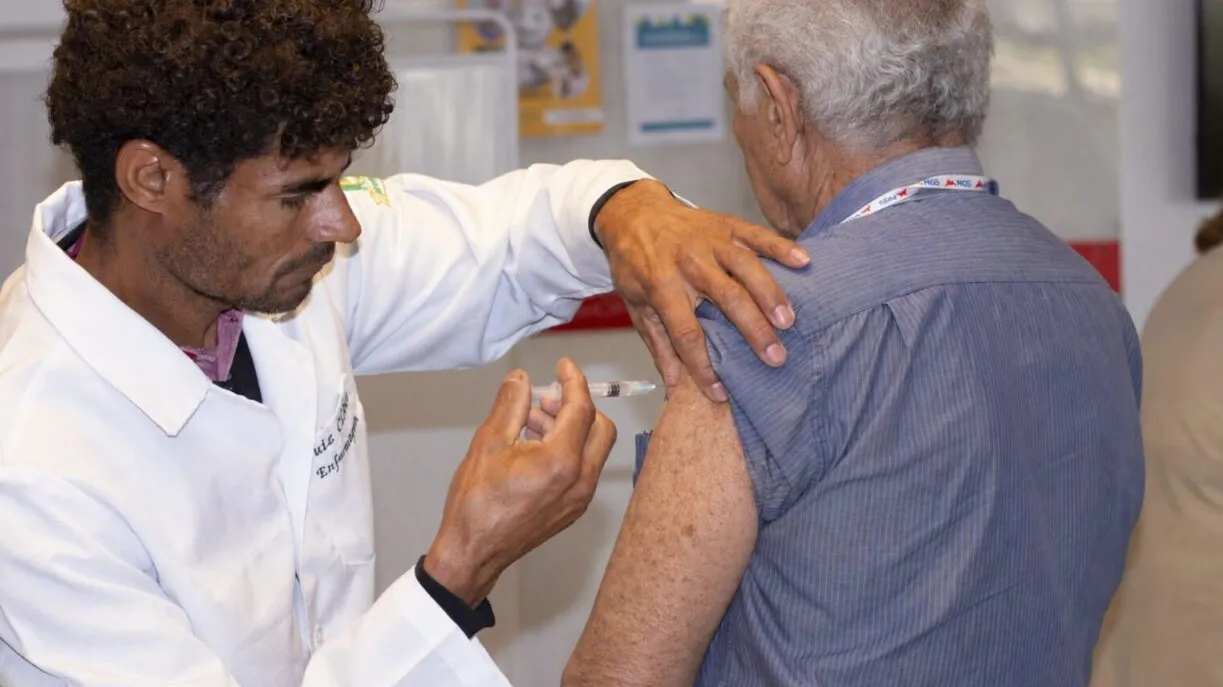
Minas Gerais Urges Priority COVID-19 Vaccination as Test Positivity Rises to 6%
Minas Gerais health officials are urging priority groups to update COVID-19 vaccinations after test positivity rose from 1.05% in September to 6% in October 2026, even as confirmed cases for the year remain 68% below 2025 levels.
Minas Gerais received roughly 300 mil vaccine doses from the Health Ministry on November 16 and expects another 290 mil doses this week to supply all 853 municipalities, the State Health Secretariat (SES-MG) told Portal AMM.
The push coincides with the seasonal rise in respiratory infections that typically begins in October, amplified this year by El Niño conditions affecting viral circulation. Between January and September 2026, health teams administered more than 768 mil doses across the state.
Case trends show mild surge, deaths stable
Confirmed cases climbed in October and November, concentrated among children aged 1 to 9 and adults over 80, according to the Health Ministry’s Flu Syndrome Panel cited by SES-MG. Through November 19, the state recorded 12,299 cases versus 38,500 in all of 2025 — a 68% reduction. Severe cases, hospitalizations and deaths have not risen proportionally, SES-MG said. Deaths this year remain predominantly among older adults with cardiovascular disease, diabetes, chronic kidney disease or chronic lung disease.
In Belo Horizonte, confirmed cases more than doubled in five days, rising from 352 on November 14 to 789 on November 19, the city’s epidemiological bulletin showed, as reported by R7. Twelve people have died in the capital this year, eleven of them elderly. In Pará de Minas, the municipal health secretary, Luiz Lima, said 90 cases were recorded during the year, 48 of them in November alone.
Vaccination schedule by risk group
The current national protocol, restated by SES-MG, sets different intervals for each eligible group:
* Children 6 months to under 5 years: three-dose primary series.
* Pregnant people: one dose per pregnancy.
* Adults 60 and older and immunocompromised people: one booster every six months.
* Special groups — Indigenous, quilombola, health workers: annual booster.
The Pfizer vaccine, effective against circulating strains, is the product offered through the public health system (SUS), SES-MG said. The secretariat recommends that priority groups — children under five, pregnant people, older adults and immunocompromised people — seek a Basic Health Unit (UBS) for vaccination.

Municipalities report stock pressure
In Itabira, the municipal health secretariat said adult vaccine stocks were depleted within days and new shipments were expected to restart vaccination for people 12 and older on November 24, DeFato Online reported. The city’s health secretary, Fabiana Machado, told the outlet the alert covers the entire 27-municipality health region, not Itabira alone. The surge in demand followed the release of an epidemiological alert by SES-MG warning of increased SARS-CoV-2 circulation in several regions, including the Itabira health region.
Poços de Caldas received only half the 1,200 doses it requested on November 10 and quickly ran out, according to PoçosCom. The municipal immunization sector said available doses were exhausted and the city awaits a new shipment from the state government. Patrocínio’s health secretary, Luciana Rocha, said most local cases are mild and noted some infections in visitors attending city festivals, Difusora 95 FM reported.
Testing data reveal rising positivity
SES-MG recommends rapid antigen testing for anyone with flu-like symptoms and RT-qPCR molecular testing for Severe Acute Respiratory Syndrome cases.
Minas Gerais, Brazil’s fourth-largest state by area and second-most populous with 20,539,989 residents in the 2022 census, organizes its public health system across 853 municipalities — the most of any state — coordinated by the State Health Secretariat (SES-MG). The secretariat distributes vaccines and issues epidemiological alerts to municipal health secretariats and regional health networks, such as the 27-municipality Itabira health region, to supply Basic Health Units (UBS) and manage testing and immunization campaigns statewide.
Testing and warning signs
SES-MG recommends rapid antigen testing for anyone with flu-like symptoms, available at health units. Severe Acute Respiratory Syndrome (SRAG) cases should receive RT-qPCR molecular testing. Labs processed 4,163 exams in October and 1,971 in the first half of November.
The secretariat lists shortness of breath, persistent chest pain or pressure, confusion, and bluish lips or face as signs requiring immediate care at a Basic Health Unit (UBS) and adherence to isolation guidance.